Scientific Community
What's Wrong with the Scientific Community and Why True Scientists Don't Exist Yet?

Crisis of Scientific Thinking: Why the Modern Scientific Community Is Not Ready for Future Challenges
Introduction
In an era of unprecedented global challenges — from the climate crisis to social inequality — the scientific community continues to function within outdated paradigms. The paradox of modern science lies in the fact that, possessing incredible technical capabilities, it remains unable to offer systemic solutions to problems threatening the existence of humanity.
A critical analysis of the current state of the scientific community shows that it is in a state of deep crisis, which can only be overcome through a radical transformation of scientific thinking.
Anatomy of Scientific Isolation
Narrowness of Specialization as a Fundamental Problem
Modern science is characterized by excessive fragmentation of knowledge. Psychologists study brain maps but do not propose programs for social changes to reduce stress. Neuroscientists describe the functions of brain structures but do not develop methods for teaching people more effective ways to evaluate the world. Architects design green roofs but do not create holistic urban systems.
This specialization turns scientists into technicians capable of describing the anatomy of a problem but incapable of proposing its solution. “Knowledge of brain anatomy will tell you that a tumor in a certain part of the brain deprives one of speech or vision — this is useful information. But it doesn’t solve any problems.”
Lack of a Systemic Approach
Modern science resembles medieval scholastics arguing about the number of angels on the tip of a needle while cities were engulfed by the plague. Scientists engage in minor research within their disciplines, not seeing the big picture and not understanding the interconnections between various aspects of human existence.
Thomas Kuhn in “The Structure of Scientific Revolutions” showed that the scientific community is prone to conservatism and defense of existing paradigms. Most scientists are engaged in “normal science” — solving minor tasks within established models, avoiding radical approaches to global problems.
Institutional Limitations of Science
Dependence on Funding and Political Interests
Scientific organizations are directly dependent on state and corporate funding, which makes them incapable of critical analysis of existing systems. The American Psychological Association does not criticize the government’s work model, as this could lead to the cessation of funding. Engineers work on projects for any culture — fascist or democratic, without questioning how their work will be used.
This dependence turns science into a servant of the existing order, depriving it of its great potential and ability for social changes.
Career Motivations Against Scientific Ideals
Modern scientists are motivated not by the search for truth or solving global problems, but by career considerations. They strive to receive the Nobel Prize “to experience pleasant feelings, not to share the discovery with other researchers.” This motivation destroys the scientific ethos and turns researchers into competitors rather than collaborators.
Crisis of Scientific Thinking
Lack of an Interdisciplinary Approach
A true scientist, by definition, should be interested in sociology, anthropology, mechanical engineering, ecology, and electronics simultaneously. They should understand decision-making processes and different cultures before proposing their change or destruction.
Modern science does not produce such scientists. Instead, it creates narrow specialists incapable of systemic analysis and holistic understanding of problems.
Ignoring Social Responsibility
The scientific community does not fulfill its main social function — critical analysis of existing systems and proposing alternatives. Scientists do not propose programs for social changes, do not criticize political systems, do not develop educational methods that meet human needs.
Jacques Ellul in “The Technological Society” showed how scientific and technological progress becomes an end in itself, losing connection with real human needs. The scientific community serves the existing order rather than striving for its transformation.
Barriers to Systemic Changes
Conservatism of Scientific Institutions
Scientific institutions, like any institutions, are prone to self-preservation and resistance to change. They create barriers to radical ideas and innovative approaches, preferring safe, incremental research.
Paul Feyerabend in “Against Method” criticized the dogmatism of the scientific community and its inability for self-reflection. Science often serves the interests of power and does not strive for real improvement of society.
Language and Cultural Barriers
The scientific community has created its own language and culture, which isolate it from the rest of society. Scientists speak to each other using specialized terminology but cannot explain their ideas to ordinary people or apply them to solving practical problems.
Consequences of Scientific Inertia
Inability to Prevent Global Crises
Despite decades of research, the scientific community has failed to prevent the ecological crisis, social inequality, political instability. Moreover, many scientific and technical achievements have exacerbated these problems.
Technological Progress Without Social Development
We have incredible technological capabilities, but social systems remain primitive. The existence of prisons, wars, poverty in the era of artificial intelligence and genetic engineering testifies to a fundamental failure of scientific thinking.
Paths to Transforming Scientific Thinking
Forming a Systemic Approach
The science of the future must be integrated and interdisciplinary. Scientists must understand the interconnections between different fields of knowledge and be able to apply a systemic approach to solving complex problems.
Social Orientation of Research
Scientific research should be directed toward solving real problems of humanity, not satisfying academic ambitions. The criterion of success should not be the number of publications, but the contribution to improving people’s lives.
Overcoming Institutional Limitations
It is necessary to create independent research institutes free from political and corporate influence. Science funding should be restructured in such a way as to encourage critical thinking and innovative approaches.
Education of a New Type of Scientists
The system of scientific education should prepare not narrow specialists, but thinkers capable of systemic analysis and interdisciplinary synthesis. Education should develop critical thinking and social responsibility.
Conclusion
The modern scientific community is experiencing a deep crisis that threatens not only the development of knowledge but also the survival of humanity. Narrow specialization, institutional limitations, lack of systemic thinking and social responsibility have turned science into a technocratic tool incapable of solving global problems.
Overcoming this crisis requires a radical transformation of scientific thinking — a transition from fragmented to systemic approach, from academic isolation to social responsibility, from conservatism to innovation.
The alternative to this transformation is the continued degradation of civilization and the possible disappearance of humanity as a species. Nature, not scientists, will have the last word in this matter. Time for changes is limited, and the scientific community must decide: to remain part of the problem or become part of the solution.
Related Topics
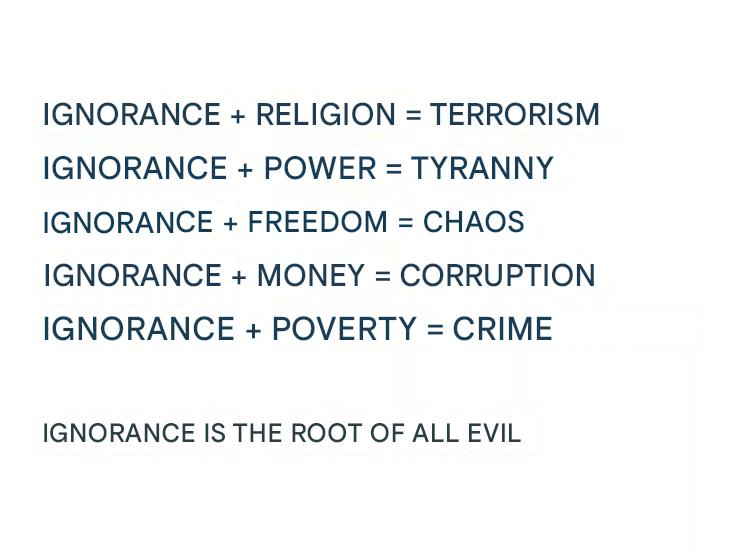
Rationality
About stereotypes regarding rational individuals and what rationality truly entails.
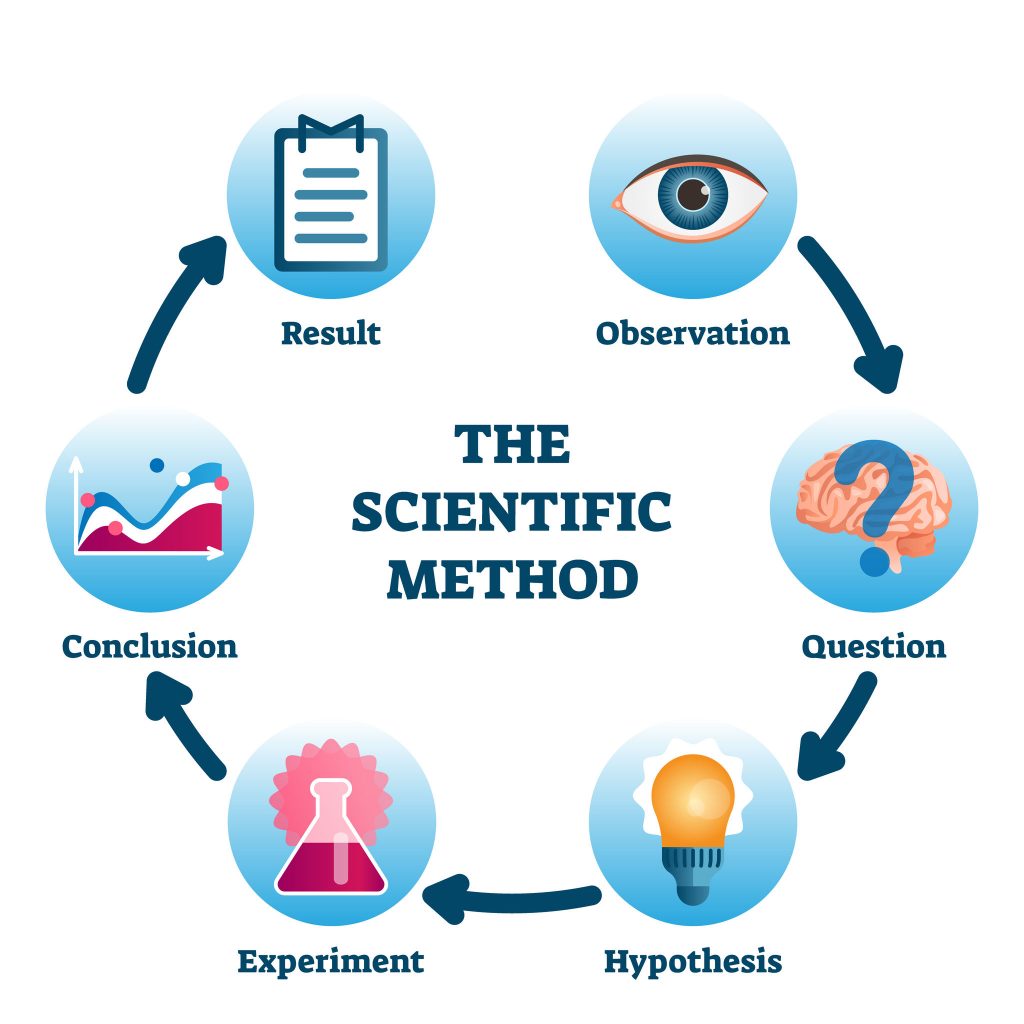
Science, scientific method, and scientific thinking
This work explores the fundamental foundations of scientific knowledge, analyzing the nature of science, the structure of the scientific method, and the principles of scientific thinking.
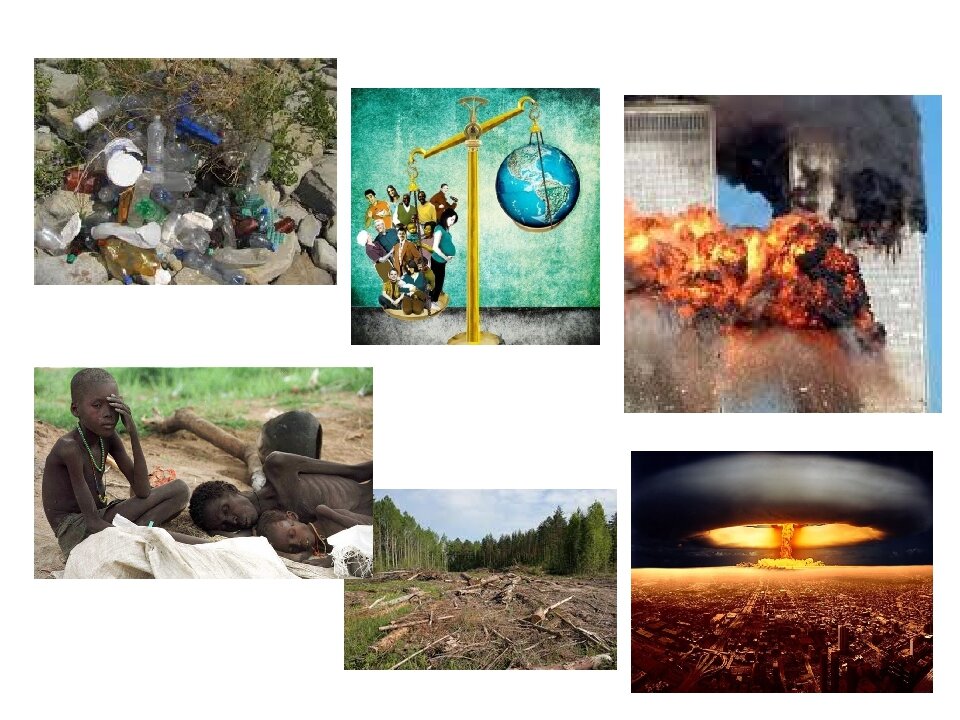
Problem list of Modern Society
A large and comprehensive catalog of systemic problems in modern society.
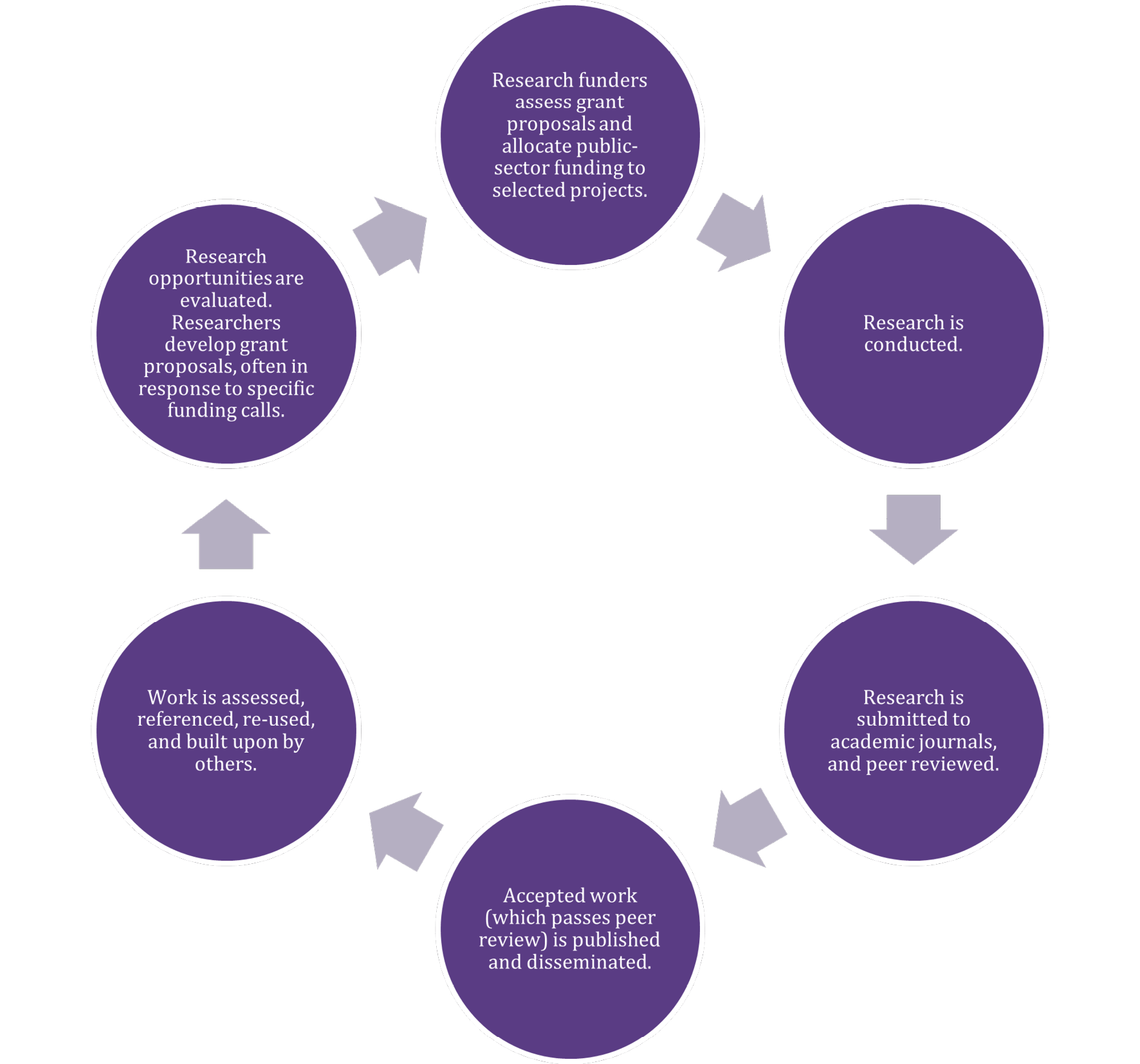
The Reproducibility Crisis in Science
The results of the studies cast doubt on the reliability of many studies, especially in medicine.

Resistance to science
An analysis of how society has resisted science and innovation throughout human history.

Why You Shouldn't Be Indifferent to Strangers?
Why indifference to others' thinking destroys civilization: the truth about how your beliefs affect the entire world.