The Reproducibility Crisis in Science
The results of the studies cast doubt on the reliability of many studies, especially in medicine.
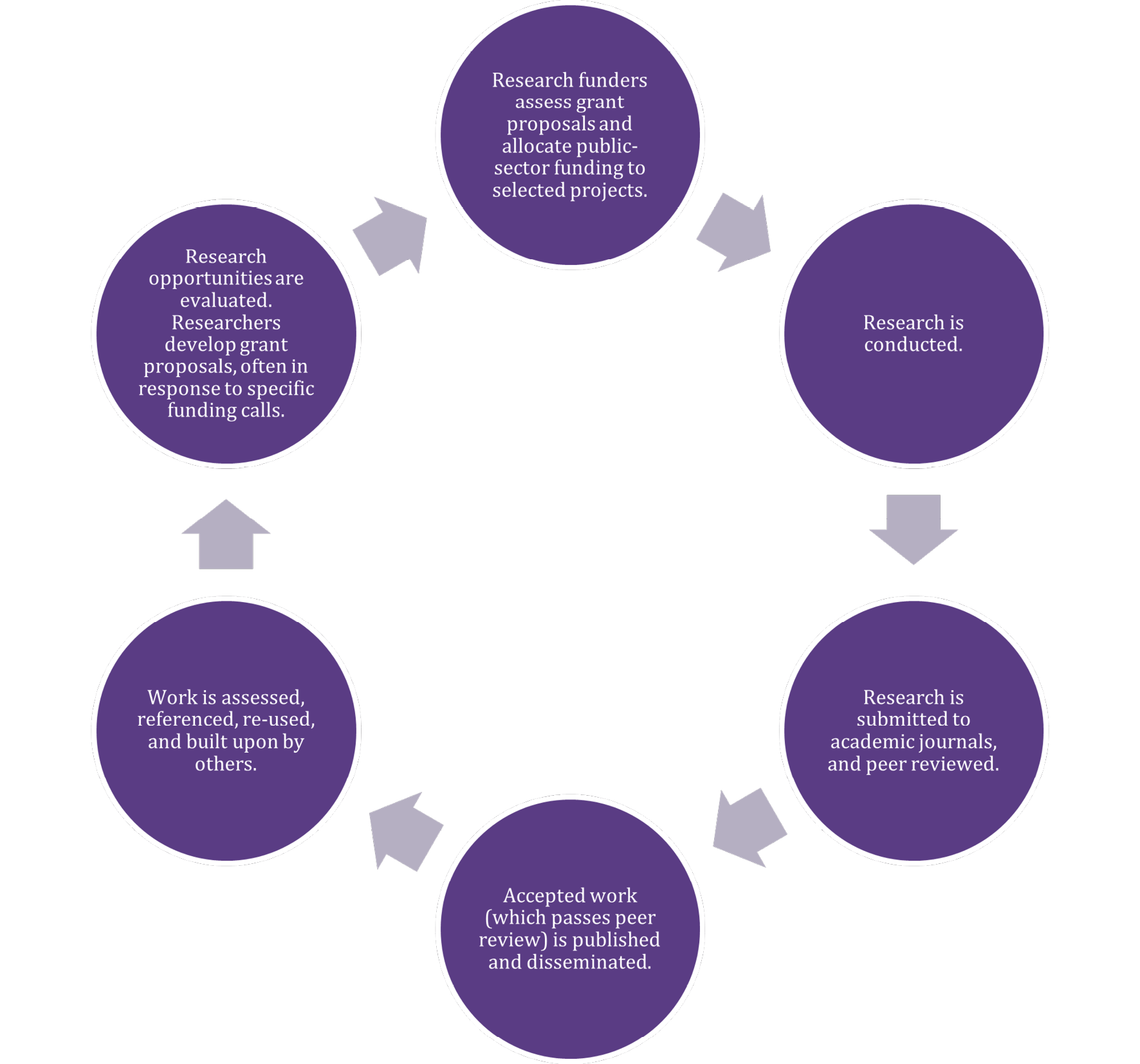
The Reproducibility Crisis in Science: When Research Doesn’t Work
Mendel’s Legacy: Ideal Results in an Imperfect World
The history of modern genetics began with a monk-mathematician, Gregor Mendel, who, in the quiet of a monastery garden, laid the foundation for one of the most important sciences of our time. But even at the dawn of genetics lies a mystery that points to a fundamental problem in all of science.
Mendel grew peas and meticulously recorded the results of his cross-breeding. His famous 3:1 ratio in the inheritance of traits became the basis for understanding genetic laws. However, a century later, the statistician Professor Fisher noticed something suspicious: Mendel’s results were too perfect.
In real experiments, there are always random deviations. Yet, in Mendel’s eight years of research, the numbers matched the theoretical expectations perfectly. Statistically, this is only possible for a deity or a fraud. Does this mean that genetics is built on a lie?
Paradoxically, no. Mendel’s ideas proved to be correct, despite the questionable precision of his data. Genetics works, and medicines based on it save lives. But the story of Mendel illustrates an important truth: science is a human enterprise, with all the weaknesses inherent in people.
The Scale of the Problem: Figures That Give Pause
Modern research shows that the problem of reproducibility in science has become systemic. A survey by the prestigious journal Nature of 1,500 researchers revealed shocking figures: two-thirds of scientists cannot reproduce the results of their colleagues’ work, and half cannot even replicate their own experiments.
In biomedical research, on which people’s health and lives directly depend, the situation is particularly alarming. Nearly half of researchers have tried to replicate others’ experiments and failed. Yet, only a third consider the reproducibility crisis to be a significant problem.
Over the last 20 years, the number of retracted scientific papers in Europe has increased fourfold. The reasons vary, from using Photoshop in illustrations of results to completely fabricated data. But the main problem is not outright fraud, but the systemic flaws in the scientific process.
The Price of Errors: Billions of Dollars and Human Lives
The consequences of the reproducibility crisis are measured not only in scientific terms but also in money and human destinies. In the United States, unnecessary medical procedures — surgeries that patients do not need but that generate profit for hospitals — cost the healthcare system hundreds of billions of dollars annually.
Universities receive grants worth hundreds of millions of dollars, but when data fabrication is discovered, the fines are in the tens of millions. Even after paying the fines, the institutions still come out ahead. This creates a perverse system of incentives where dishonesty and manipulation become more profitable than integrity.
But the highest price is human. Every unreliable study in medicine potentially affects patient treatment. Ineffective treatments based on unreliable data can lead to incorrect prescriptions and missed opportunities to save lives.
The Roots of the Problem: Why Science Falters
The “Publish or Perish” Pressure
The modern academic system places immense pressure on scientists. A career depends on the number of publications in prestigious journals, securing grants, and scientific recognition. In such conditions, the temptation to “tweak” results or present data in a more favorable light becomes almost irresistible.
Negative results — when a hypothesis is not confirmed—are rarely published, although they are no less valuable to science. This creates a bias: the literature accumulates predominantly “successful” studies, creating a false impression of a method’s effectiveness.
The Complexity of Biological Systems
Biomedical research deals with incredibly complex systems. Scientists are forced to use simplified models: isolated cells in Petri dishes, laboratory animals, artificial organ systems. Each simplification introduces distortions.
For example, stroke research on healthy young mice shows promising results. But when the same methods are tested on animals with co-existing conditions (like real patients), the effectiveness drops sharply. Of six “successful” stroke treatment methods, only one showed real benefit in more complex conditions.
Statistical Manipulations
Modern science relies on statistical methods to determine the significance of results. The gold standard is a p-value of less than 5%, which means a 95% confidence that the result is not random. But this value can be “adjusted” in various ways:
- Conducting more tests and selecting the most favorable result
- Excluding “outliers” — inconvenient data points
- Reformulating the hypothesis after obtaining the results
These manipulations, known as “p-hacking,” are not technically fraud but seriously distort the scientific picture.
Examples from Practice: When the System Fails and When It Works
Failure: The Lab Technician Who Defrauded the System of $200 Million
In an American laboratory, the effects of various substances on the lungs of mice were studied. A lab technician co-authored nearly forty scientific papers, and her team won dozens of grants totaling 112.5 million but still remained profitable. (Article on this in The New York Times)
Success: The Discovery of Insulin as an Example of True Science
Frederick Banting was a surgeon with no lab, no money, and no connections. He only had a hunch about how to save patients with type 1 diabetes — a disease that was a death sentence in the early 20th century. Despite skepticism from his colleagues, he was given a student assistant and a small laboratory.
A few weeks later, they obtained a pancreatic extract that lowered blood sugar levels in dogs. Thus, insulin was discovered — a medicine that does not cure diabetes but saves millions of lives. The patent was sold for a symbolic dollar to make the drug accessible to all.
Hidden Mechanisms: How “Bad” Science Is Made
The problem of reproducibility often arises not from outright fraud, but from a multitude of small compromises and decisions made at every stage of research:
- Model Selection: A researcher chooses a simplified system that may not reflect the real situation.
- Hypothesis Formulation: Often based on contradictory previous research.
- Experiment Design: Many variables can be altered, affecting the outcome.
- Data Interpretation: The same figures can be interpreted in different ways.
- Presentation of Results: Emphasis on “significant” findings, while downplaying negative results.
At each stage, a researcher makes decisions that may be motivated not only by the search for truth but also by career considerations, deadline pressures, and the expectations of funding organizations.
What to Do: Paths to Resolving the Crisis
The scientific community is beginning to recognize the scale of the problem and is taking steps to address it:
Systemic Changes
- Funding for reproducibility studies
- Publication of negative results
- Open data and methods
- Pre-registration of hypotheses
Technological Solutions
- Machine learning to detect statistical anomalies
- Automated data analysis
- Platforms for sharing data and protocols
Cultural Changes
- Changing the evaluation criteria for scientists
- Encouraging collaboration instead of competition
- Education in scientific ethics
Science Remains Science
Despite all the problems, science continues to work. We live longer, treat diseases that were once fatal, and understand the world better than our ancestors. The first successful personalized gene therapy saved a newborn with a rare genetic disorder. Such breakthroughs happen because of science, not in spite of it.
The problem is not that science doesn’t work, but that it is done by people with all their human weaknesses: ambitions, fears, hopes, and mistakes. Acknowledging this fact is the first step toward improving the situation.
The reproducibility crisis is not a death sentence for science, but a call to action. As the physiologist Csaba Szabo wrote: “Science is a complex, diverse, often contradictory — in a word, human—endeavor.” And that is precisely why its successes are so valuable—they are achieved in spite of human weaknesses, not because of some superhuman rationality.
The future of science depends on whether we can create systems that channel human nature constructively, minimizing temptations and maximizing the pursuit of truth. This is a difficult task, but a solvable one. After all, science has repeatedly proven its capacity for self-correction and development.
Sources:
- Is science really facing a reproducibility crisis, and do we need it to? (2018)
- 1,500 scientists lift the lid on reproducibility (2016)
- Misconduct accounts for the majority of retracted scientific publications (2012)
- Duke University to Pay $112.5 Million to Settle Claims of Research Misconduct (2019)
Related Topics
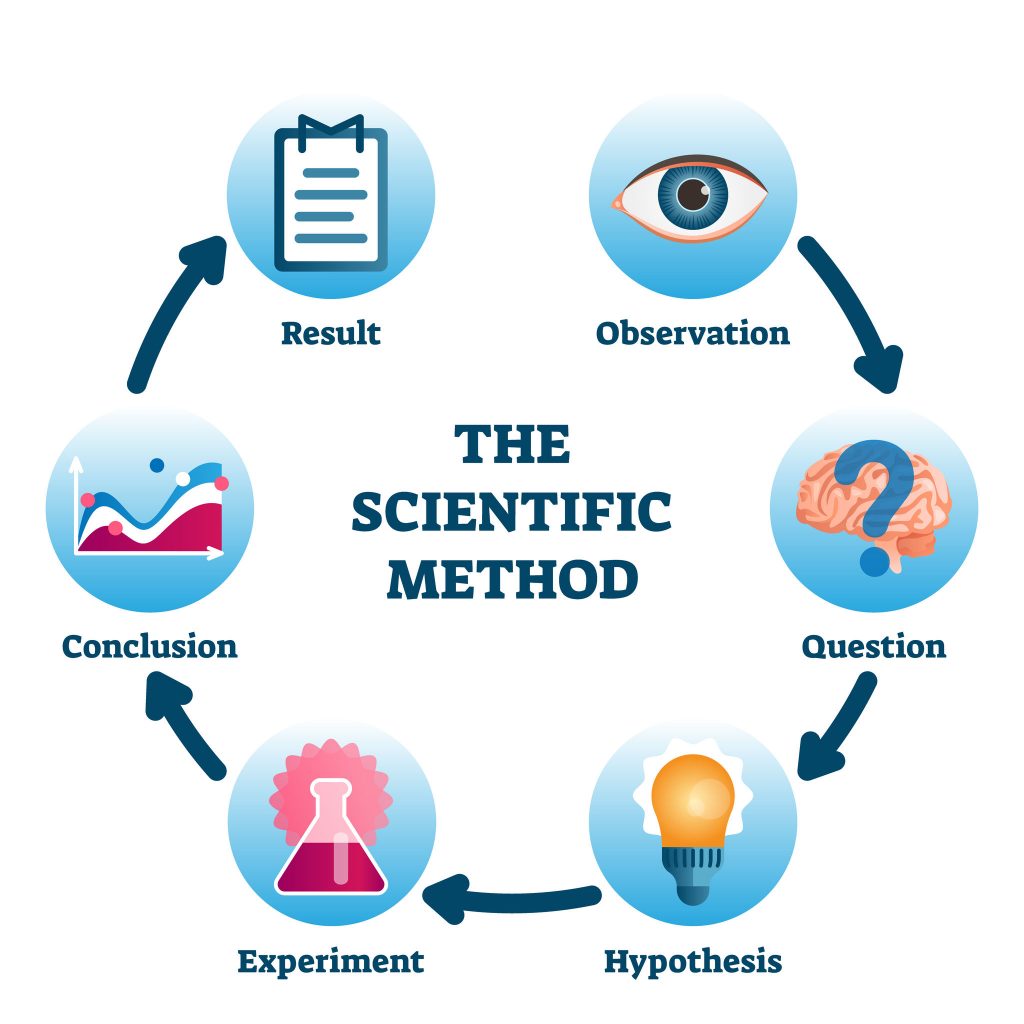
Science, scientific method, and scientific thinking
This work explores the fundamental foundations of scientific knowledge, analyzing the nature of science, the structure of the scientific method, and the principles of scientific thinking.

Problem list of Modern Society
A large and comprehensive catalog of systemic problems in modern society.

Resistance to science
An analysis of how society has resisted science and innovation throughout human history.

Scientific Community
What's Wrong with the Scientific Community and Why True Scientists Don't Exist Yet?

Why You Shouldn't Be Indifferent to Strangers?
Why indifference to others' thinking destroys civilization: the truth about how your beliefs affect the entire world.