Problem list of Modern Society
A large and comprehensive catalog of systemic problems in modern society.
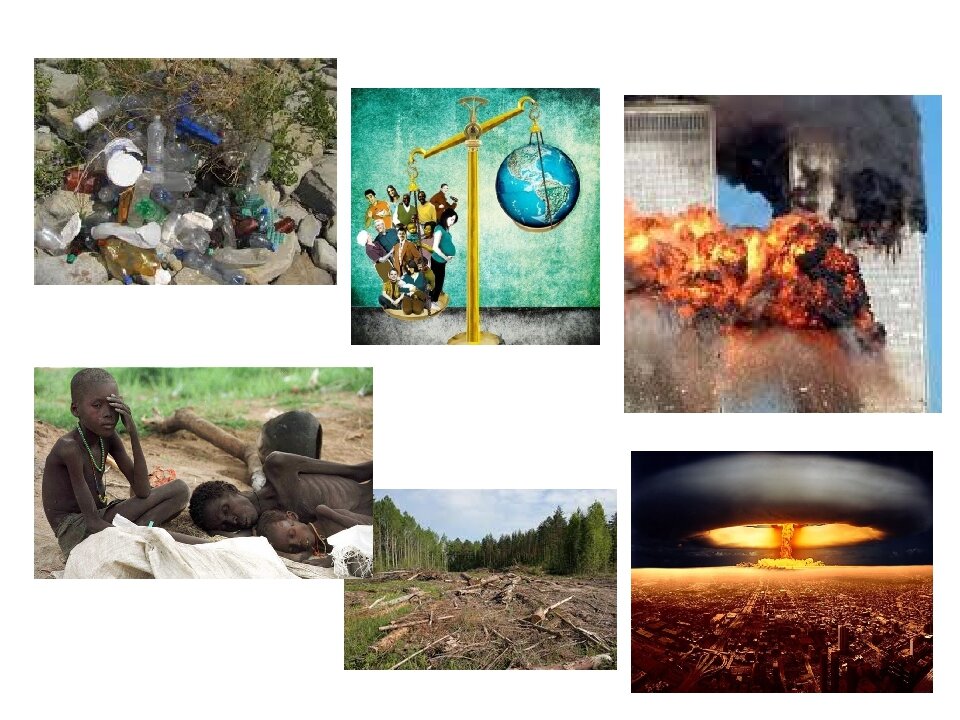
Catalog of Systemic Problems of Modern Society
Some systemic problems may overlap in meaning with certain cognitive biases. This is normal.
🧠 COGNITIVE AND PERCEPTUAL TRAPS
Reality Perception Distortions
1. Ontological Inaccuracy of Language
Example: The phrase “the sun rises” exists in language, even though the sun doesn’t move relative to Earth. This distortion is so deeply rooted that even astronomers use it, unconsciously reinforcing the geocentric model in consciousness.
2. Illusion of Control Over Abstractions
Example: People confidently discuss “the economy,” imagining it as an understandable system with management levers, although it’s an extremely complex system with millions of interconnections that no expert fully understands.
3. Unconscious Metaphors as Thinking Limiters
Example: The metaphor “time is money” forces people to perceive rest as loss rather than investment in health. Cultures without this metaphor (e.g., Polynesian) have fundamentally different attitudes toward efficiency.
4. Absence of Language for Describing Unpopular States
Example: There’s no precise word for the state when you understand the irrationality of social rituals (small talk, birthdays) and feel disgusted by them, but are forced to participate for social survival.
5. Linguistic Inflation of Meanings
Example: The word “depression” is used to describe both clinical disorder and ordinary sadness, blurring understanding of mental illness severity and devaluing real patients’ suffering.
6. Illusion of Understanding Through Nominalization
Example: Assigning a name to a phenomenon creates a false sense of understanding it. “Chronic fatigue syndrome” sounds like an explanation, but it’s just a description of symptoms. The name blocks further search for causes.
7. Calendar Tyranny of Linear Time
Example: The Gregorian calendar divides the year into unequal months (28-31 days), which distorts planning and data analysis. Alternative systems (13 months of 28 days) are more logical but impossible due to inertia.
8. “False Concreteness of Abstractions” Syndrome
Example: IQ is measured to hundredths (IQ 127.34), creating an illusion of precision. Actually, it’s a rough approximation of a complex multidimensional phenomenon, but numerical precision deceives both experts and laypeople.
9. “Invisible Denominator” Effect
Example: News reports “plane crash: 200 people died” but doesn’t mention that 2 million people flew safely that same day. Lack of context distorts risk perception.
10. “Subjective Objectivity” Paradox
Example: Surveillance cameras seem like objective witnesses, but shooting angle, lighting, and recording quality create their own “point of view.” Video evidence is subjective but perceived as absolute truth.
Cognitive Patterns and Errors
11. “Frozen Option” Effect
Example: QWERTY keyboard layout was created in the 1870s to slow typing (so mechanical hammers wouldn’t jam), but remains standard even in the digital device era, although Dvorak layout is 40% more efficient.
12. “False Completeness” Syndrome
Example: Buying a book gives a sense of acquiring knowledge before reading. People collect courses, books, and apps, feeling progress from the mere fact of ownership, not use.
13. Cognitive Monopolization Through Repetition
Example: The first version of an event heard in news remains “true” even after multiple refutations. Research shows people remember precisely the initial, often inaccurate information.
14. Cultural Blindness to Cognitive Biases
Example: The “Müller-Lyer optical illusion” (arrows with opposite-direction tips) doesn’t work on people raised in cultures without rectangular architecture — their brains haven’t learned to interpret perspective this way.
15. Illusion of Competence Through Tools
Example: Students with calculators understand mathematical concepts worse but assess their abilities more confidently. GPS makes people unable to navigate without it but creates false geographic competence.
16. “Inverted Learning” Effect
Example: The more a person studies a topic on the internet, the stronger they believe in their initial viewpoint due to algorithmic personalization. Trying to get more information leads to less understanding.
17. “False Reflection Depth” Syndrome
Example: People think they deliberate extensively about their decisions, but research shows: 95% of choices are made in milliseconds by the subconscious, and rational justification is invented post-factum.
18. Cognitive Inflation of Complexity
Example: Simple problems seem complex due to information overload. Choosing toothpaste becomes research into compositions, reviews, and ratings, though differences between brands are minimal.
19. “False Scale Causality” Effect
Example: People seek global causes for global phenomena. Civilization collapses are explained by climate or wars, but often the cause is accumulation of small systemic failures.
20. Expertise Paradox in Decision Making
Example: Experts predict outcomes in their field worse than novices because they overestimate the importance of rare factors and underestimate basic patterns.
21. “Digital Planning Amnesia” Effect
Example: People make detailed plans in apps but don’t execute them, getting pleasure from the planning process itself. The brain perceives planning as partial task completion.
22. “Expert Context Blindness” Syndrome
Example: Programmers write code understandable to other programmers but not users. Experts lose the ability to see their field through novices’ eyes, creating insurmountable entry barriers.
Empathy and Social Perception
23. Empathy “Blind Spots”
Example: People easily donate $100 to save one known child but ignore statistics about millions of children who could be saved for the same amount through vaccination programs in developing countries.
24. False Consensus
Example: In the 1970s, most Americans considered racial segregation natural because their surroundings shared this opinion. Each group overestimated their support size and underestimated moral protest.
25. Choice Paradox in Reverse
Example: In the USSR, people queued for the only available product not because of its quality, but because lack of alternatives also paralyzes decisions — the brain can’t assess value without comparison.
🏛️ SOCIAL AND STRUCTURAL PARADOXES
Institutional Systemic Dysfunction
26. Invisible Dictatorship of Normality
Example: In the 1950s, women who didn’t want to be housewives were automatically referred to psychiatrists. Today, children who can’t sit in class for 6 hours straight are diagnosed with ADHD instead of reconsidering the education system.
27. Negative Selection of Institutions
Example: Politics attracts people who want power over others, not those who best solve public problems. As a result, charismatic sociopaths become leaders, not competent managers.
28. “Noble Degradation” Effect
Example: Organizations helping the homeless receive funding based on the number of homeless in the region. Completely solving the problem would eliminate their existence, so they unconsciously maintain the problem they’re meant to solve.
29. Law of Reverse Effect in Regulation
Example: The “War on Drugs” increased the number of drug addicts because criminalization drove the problem underground, where it became more dangerous and profitable for criminals.
30. Conservation of Absurdity Through Educational Systems
Example: Schools still use bells and schedules created for 19th-century factory workers, ignoring research on natural learning rhythms and individual student differences.
31. “Institutional Inversion” Effect
Example: Hospitals become sources of infections (nosocomial infections), schools suppress curiosity, and police in some neighborhoods increase crime through their presence.
32. “Procedural Fetishism” Syndrome
Example: Bureaucratic procedures become more important than results. Officials perfectly follow regulations while ignoring their absurdity and harm to citizens.
33. “Charitable Corruption” Effect
Example: International aid to Africa over 50 years exceeded the Marshall Plan, but the continent became poorer. Aid corrupts local elites and suppresses development of domestic economy.
34. “Democratic Incompetence” Paradox
Example: Voters choose candidates based on charisma and promises, lacking knowledge to assess competence in managing complex systems. Popularity and competence are anti-correlated.
35. “Rescue Self-Sabotage” Syndrome
Example: Emergency response services receive more funding when emergency situations increase, creating unconscious interest in maintaining problems.
Social Dynamics and Behavior
36. Ritualization of the Meaningless
Example: Corporate meetings where 10 people spend an hour discussing an issue that one specialist could solve in 5 minutes, but “collegiality” has become a sacred ritual of efficiency.
37. “Collective Helplessness” Syndrome
Example: The famous Kitty Genovese case: 38 witnesses watched a woman’s murder but no one called police because everyone thought “someone else” had already done it.
38. “Deviation Normalization” Effect
Example: Each generation considers normal the level of pollution, noise, and stress of their time. Megacity residents don’t notice they live in conditions their great-grandparents would perceive as apocalyptic.
39. “Quiet Violence of Standards” Effect
Example: Children with non-standard intelligence (very high or narrowly directed) are traumatized by “normal” school, which forces them to conform to the class average level.
40. “False Individuality of Mass Behavior” Effect
Example: People buy “unique” goods (personalized t-shirts, customized cars) without understanding that algorithms create illusion of uniqueness based on typical preferences.
41. “Social Loneliness in Crowds” Paradox
Example: In megacities, people are surrounded by millions of others but experience profound loneliness. Quantity of social contacts doesn’t correlate with quality of connections.
42. “Performative Authenticity” Syndrome
Example: Social networks force people to “be themselves” publicly, turning authenticity into a spectacle. Trying to show the true “self” creates a false “self.”
43. “Extremity Normalization” Effect
Example: Each generation considers normal the technological and social changes that the previous would perceive as science fiction. The pace of change accelerates, but the sense of “normality” persists.
Power and Control
44. Power Metamodel Through “Noise”
Example: Modern governments don’t prohibit criticism — they create so much informational noise (fakes, conspiracies, disputes) that citizens get lost and stop seeking truth, focusing on entertainment.
45. Anonymity as a Threat to Complex Systems
Example: Internet trolling exists only thanks to anonymity, but it also protects dissidents and whistleblowers. Any solution to this paradox destroys either freedom or responsibility.
46. Invisible Dictatorship of “Convenience”
Example: Smartphones make life convenient but create dependency on constant network connection and geolocation. People voluntarily give up privacy in exchange for taxi convenience.
47. Post-Truth as Inevitable Stage of Information Evolution
Example: Social media algorithms create “reality bubbles” where each group receives confirmation of their beliefs. This isn’t a bug but a natural result of content personalization.
48. “Controlled Freedom of Choice” Paradox
Example: Netflix offers thousands of movies, creating illusion of free choice, but recommendation algorithms invisibly direct toward specific content, optimizing viewing time.
49. “Distributed Tyranny” Effect
Example: No one makes decisions about citizen surveillance, but smartphones, cameras, loyalty cards, and search queries create a surveillance system without central coordinator.
50. “Voluntary Enslavement by Convenience” Syndrome
Example: People give up personal data, location, and habits in exchange for free services, not understanding long-term consequences of this exchange.
51. “Child Protection Through Traumatization” Paradox
Example: The custody system removes children from families for protection, but state institutions are often more traumatic than problematic families. Trying to save children harms them more.
52. “Social Capital Through Exclusion” Effect
Example: Elite schools and universities create useful connections not through education quality but through excluding “unsuitable” people. Diploma value is based on who wasn’t accepted.
⚙️ TECHNOLOGICAL BLIND SPOTS
Interface and Interaction Problems
53. Tyranny of Default Interface
Example: 95% of users never change default browser settings. Google pays Apple billions to be the default search engine because this equals controlling users’ internet behavior.
54. Hidden Costs of Visual Interfaces
Example: Transition from command line to graphical interfaces made computers “friendlier” but destroyed work precision. Command-line programmers work many times faster, but most users fear text commands.
55. Technological Imperialism of Interfaces
Example: “Swipe left/right” logic from Tinder penetrated dating apps, shopping, job search, and even real estate, turning complex decisions into impulsive gestures.
56. Inevitable Interface Archaization
Example: The “save” icon as a diskette is used by people who’ve never seen a diskette. The “folder” metaphor for files persists in an era when paper folders barely exist.
57. Tyranny of Interface “Intuitiveness”
Example: “Intuitive” interfaces are based on cultural metaphors (trash can, folders). People from other cultures experience difficulties, but their problems are ignored as “maladjustment.”
58. “False Simplicity of Complex Operations” Effect
Example: One-click purchasing hides a complex chain: credit card verification, warehouses, logistics, taxes. Interface simplicity masks system’s colossal complexity.
59. “Digital Minimalism Maximalists” Paradox
Example: People install apps for meditation, time control, and digital detox, increasing technology dependence in attempt to decrease it.
Cognitive Costs of Technologies
60. Cognitive Taxes of Technologies
Example: Research shows: even a turned-off smartphone on the table reduces test results by 10% because part of brain attention is “reserved” for possible notifications.
61. Cognitive Imbalance Between Response Speed and Analysis Depth
Example: Twitter limits statements to 280 characters, encouraging quick emotional reactions. Complex ideas require long explanations, but the algorithm promotes short “catchy” messages.
62. “Eternal Update” Syndrome
Example: Professional tools (Photoshop, AutoCAD) update annually, forcing experts to spend time relearning instead of deepening mastery in a stable environment.
63. “Smart Stupidity” Effect
Example: GPS drivers don’t develop spatial memory and get lost when navigation fails. An entire generation can’t read paper maps or navigate by sun.
64. “Sequential Thinking Atrophy” Syndrome
Example: Internet hyperlinks develop associative thinking but destroy ability for prolonged concentration. Youth can’t read books without visual breaks.
65. “False Memory Through Search” Effect
Example: Google creates illusion of knowledge: people remember where to search for information but not the information itself. Search engine disappearance would make civilization amnesiac.
66. “Infinite Optimization” Paradox
Example: Productivity apps create illusion of control, but time spent setting them up exceeds usage benefit. Optimizing optimization becomes procrastination.
Systemic Technological Problems
67. Conceptual Obsolescence of Formats
Example: We still use a 7-day week created for agricultural society with religious rhythms, though modern economy works 24/7 and doesn’t depend on agricultural cycles.
68. Technological “Cannibalism”
Example: Social networks destroyed journalism faster than they created alternative fact-checking mechanisms. Society got more information but less reliability.
69. “Friendly AI” Illusion
Example: YouTube’s recommendation AI optimizes viewing time, not user quality of life. As a result, the algorithm promotes addiction-causing content (conspiracies, extreme opinions), destroying mental health.
70. “Black Box” Effect in Expert Systems
Example: Credit scoring algorithms make loan decisions based on hundreds of parameters, but even their creators can’t explain why a specific person was denied credit.
71. Connection-Isolation Paradox
Example: People have hundreds of “friends” on social networks, but research shows increasing loneliness and declining quality of close relationships. Communication technologies replaced deep connections with shallow ones.
72. “Digital Feudalism” Effect
Example: Large platforms (Apple, Google) control access to digital resources like medieval feudal lords controlled land. Users are digital serfs without property rights.
73. “Civilizational Technological Debt” Syndrome
Example: 1970s programs still manage banking systems and nuclear reactors. Updates are impossible due to complexity, but outdated code creates catastrophe risks.
74. “Smart Systems, Stupid Decisions” Paradox
Example: AI autopilots perfectly control cars in normal conditions but make absurd decisions in non-standard situations that humans would solve intuitively.
Data and Measurement Distortions
75. Digital Data Fetishism
Example: GDP is considered an indicator of country prosperity, but GDP growth can occur through environmental disasters, wars, or forced overtime work. Bhutan measures “gross national happiness” instead of GDP.
76. Tyranny of Visual Metaphor
Example: TikTok and Instagram trained a generation to receive information through short videos with text over images. Ability to read long texts without visual accompaniment atrophies.
77. “Digital Orphaning of Older Generation” Syndrome
Example: Elderly people are excluded from digital world not due to inability to learn, but because of interface design for youth. Technological society creates age segregation.
78. “Algorithmic Castration of Creativity” Effect
Example: AI assistants in creativity (writing, drawing) give quick results but atrophy original thinking ability. Convenience kills creativity.
🧬 EVOLUTIONARY AND BIOLOGICAL CONFLICTS
Biology-Environment Mismatch
79. Overestimation of “Naturalness”
Example: “Natural” reaction to strangers is distrust and aggression, which helped tribal survival but destroys modern multinational society. Tolerance is “unnatural” but necessary.
80. Conflict of Biological Clocks with Social Rhythms
Example: 30% of people are “night owls” with evening activity peaks, but society forces them to work from 9 AM. This leads to chronic fatigue, depression, and productivity decline in a third of population.
81. Evolutionary Mismatch of Food Environment
Example: Brain rewards fatty and sweet food with dopamine release because such food is rare and valuable in nature. McDonald’s exploits this ancient program, creating food addiction.
82. Safety Paradox
Example: Excessive antibiotic use created superbugs resistant to all medicines. Attempting absolute safety from infections led to even greater threat.
83. “Hygienic Immunity Degradation” Paradox
Example: Excessive childhood cleanliness leads to allergies and autoimmune diseases. Protection from microbes weakens body’s natural defenses.
84. “Social Media Evolutionary Mismatch” Effect
Example: Brain responds to likes as tribal social approval, but online approval from strangers doesn’t bring real social status, creating empty addiction.
85. “Metabolic Disorientation” Syndrome
Example: Artificial lighting disrupts circadian rhythms, and constant food availability breaks natural hunger/satiation cycles, leading to obesity and insomnia.
86. “Safety Through Risk” Paradox
Example: Children raised in sterile environments without physical risks have more adult injuries because they didn’t develop self-preservation instincts.
Rationality of the “Irrational”
87. Rational Causes of “Madness” Emergence
Example: High-functioning autism may be adaptation to a world where sincerity is punished and social games are meaningless. “Disorder” is sometimes healthy reaction to sick system.
88. Total Probability Distortion in Human Consciousness
Example: People fear flying (1 in 11 million chance of dying) but calmly drive cars (1 in 5000). Media covers rare terrorist attacks but ignores mass deaths from air pollution.
89. “Adaptive Paranoia” Effect
Example: Paranoid tendencies helped tribal survival (distrust of strangers) but create social isolation and mental disorders in modern society.
90. “Rational Irrationality of Mass Behavior” Syndrome
Example: It’s individually irrational to study politics (one vote decides nothing), but collectively this destroys democracy. Each person’s rational ignorance creates system irrationality.
🌐 META-SYSTEMIC PROBLEMS
Problems of Knowledge and Truth
91. Problem of Truth Criteria
Example: Scientific method says smoking causes cancer (statistics), personal experience shows grandfather-smoker who lived 90 years, intuition suggests “everything’s harmful in large doses.” Which criterion is true?
92. Mathematical Reality Distortions
Example: The phrase “0.01% side effect risk” seems negligible, but vaccinating a billion people means serious problems for 100,000 people — statistics hide absolute numbers.
93. “System False Objectivity” Effect
Example: Hiring algorithms seem impartial, but if trained on historical data where fewer women were hired for technical positions, AI will discriminate against women “objectively.”
94. “Exponential Information Growth with Linear Understanding Growth” Paradox
Example: Every 12 hours humanity creates more information than in all previous history, but wisdom and understanding grow slowly. Information abundance creates cognitive poverty.
95. “False Precision in Imprecise Sciences” Effect
Example: Economic forecasts give precise numbers (GDP growth 2.3%) but their accuracy doesn’t exceed astrological predictions. Pseudo-scientific precision masks fundamental unpredictability.
96. “Conceptual Knowledge Inflation” Syndrome
Example: Every decade psychology introduces new “disorders” and “syndromes,” turning normal variations of human behavior into medical diagnoses.
Scale and Responsibility
97. Solution Scaling Paradox
Example: “Follow your dream” advice works for individuals, but if everyone simultaneously quits stable jobs for startups, the economy collapses. Individual wisdom becomes collective madness.
98. “Deferred Responsibility” Syndrome
Example: Fukushima disaster: dozens of organizations participated in NPP creation, but when accident occurred, no one bore personal responsibility — everyone referred to fulfilling their narrow function.
99. Expertise Paradox in Interdisciplinary Issues
Example: Climate change requires knowledge in physics, chemistry, economics, psychology, and politics simultaneously. But physicists don’t understand economics, economists don’t understand physics. Experts on entire complex don’t exist.
100. “Individualization of Collective Problems” Paradox
Example: Climate change is presented as result of personal choice (drive or not), though 70% of emissions are created by 100 corporations. Individual responsibility hides systemic causes.
101. “Moral Diffusion in Large Groups” Effect
Example: In a 50,000-employee corporation, no one feels personal responsibility for environmental pollution. Morality is inversely proportional to group size.
102. “False Scale Equivalence” Syndrome
Example: Media presents conflict between climatologists (99% agree on anthropogenic warming) and skeptics as “two equal viewpoints,” distorting scientific consensus perception.
Systemic Cycles and Patterns
103. Cyclical Patterns of Systemic Self-Harm
Example: Cities optimize for cars (wide roads, parking), making walking inconvenient, forcing people to drive more, requiring even bigger roads — self-reinforcing degradation cycle.
104. “Unfinished Action” Syndrome on Civilization Scale
Example: Nuclear waste from 1960s NPPs still has no permanent storage solution. Civilization began using atomic energy without solving waste problems for tens of thousands of years ahead.
🌌 TEMPORAL AND CULTURAL DISTORTIONS
Time and Planning Problems
105. Systemic Loss of Large-Scale Thinking Horizons
Example: Chinese emperors planted forests that would benefit in 300 years. Modern politicians plan maximum until next elections (4-6 years), so long-term projects like fusion energy don’t get support.
106. Illusion of Future Linearity
Example: In the 1950s, futurologists predicted flying cars by 2000, extrapolating aviation development. But they didn’t foresee internet, which qualitatively changed civilization without physical technologies.
107. “Civilizational Temporal Myopia” Effect
Example: Plastic bags solved shopping convenience for 20 years but created ocean pollution problems for 400 years. Short-term benefit vs long-term harm—typical pattern of human decisions.
108. “Accelerating Time with Slowing Progress” Paradox
Example: Subjectively time accelerates (years fly faster), but technological progress in real world slows. We didn’t get flying cars but got faster ways to order food.
109. “Planning Temporal Myopia” Effect
Example: Construction projects are planned for 2-3 years but serve 50-100 years. Short-term criteria (price, speed) determine long-term consequences (quality, ecology).
110. “False Historical Analogy” Syndrome
Example: Every crisis is compared to previous ones (new depression, new war), but modern systems are qualitatively more complex than historical analogs.
Cultural Memory and Development
111. Collective Effect of Systemic Phenomena Invisibility
Example: Climate change occurs slowly relative to human life, so each generation perceives current weather as “normal.” Global warming is invisible in individual experience.
112. “Cultural Amnesia” Syndrome
Example: Every 30-40 years society “experiences” same problems: panic about new technologies (radio → TV → internet → AI), moral panics, economic bubbles. History repeats because lessons aren’t transmitted.
113. “False Inevitability” Syndrome
Example: In the 1980s nuclear war seemed inevitable, and people didn’t plan long-term. In the 1990s communism seemed defeated forever. Each epoch considers its problems eternal and solutions impossible.
114. “Digital Immortality with Cultural Mortality” Paradox
Example: Internet preserves every Twitter post forever but humanity loses traditional crafts, languages, and local knowledge at unprecedented speed.
115. “Generational Learning Inversion” Effect
Example: For the first time in history, children know technology better than parents. Traditional experience transmission from elders to young is broken, creating cultural gap.
116. “Living Culture Museumification” Syndrome
Example: UNESCO protects “cultural heritage,” turning living traditions into tourist attractions. Trying to preserve culture kills its natural development.
Meanings and States of Consciousness
117. Excessive Symbolism Costs
Example: People spend monthly salary on branded bags not for functionality but for symbolic status. Striving for success markers replaces striving for success itself.
118. Crisis of “Untranslatable” States of Consciousness
Example: Mystical experiences (unity with world, ego dissolution) can’t be described in rational language, so science ignores them. But these states may contain important information about consciousness nature.
119. Nonexistence of “Neutral” Choice
Example: Refusing to vote seems neutral but actually supports status quo and increases active voters’ influence. “Non-participation” is also a form of participation with specific consequences.
120. “Tired Optimism” Syndrome
Example: Constant pressure of “positive thinking” in corporate culture causes people’s subconscious desire for project failure to finally acknowledge real problems instead of pretending “everything’s great.”
121. End of “Natural” as Category
Example: GMO tomatoes contain fish genes for cold resistance. Synthetic biology creates organisms that never existed in nature. Boundary between “natural” and “artificial” disappears, but moral systems still based on this distinction.
122. “Digital Garbage Immortality” Syndrome
Example: Internet preserves every stupid teenage post forever but loses important research due to website disappearance. Digital memory works backwards: stores unnecessary, loses valuable.
123. “Cultural Homogenization Through Globalization” Effect
Example: Global brands and social media create identical tastes in youth worldwide, but aggressive nationalism grows as defensive reaction to identity loss.
124. “Scientific Specialization Against Reality Understanding” Paradox
Example: Narrow scientist specialization increases knowledge depth in their field but destroys ability to see interdisciplinary connections. Experts know more and more about less and less.
125. “Quantification of Unmeasurable” Effect
Example: Attempts to measure happiness, love, or beauty with numbers (indices, ratings, scales) create illusion of understanding but kill the essence of these phenomena.
💰 ECONOMIC PARADOXES
Market Mechanism Distortions
126. “Inefficient Market Efficiency” Paradox
Example: Stock market efficiently evaluates short-term fluctuations but can’t adequately assess long-term risks (climate, pandemics), creating systemic instability.
127. “Attention Economy vs Result Economy” Effect
Example: Social media optimize viewing time (attention), not user quality of life. Content economic value is inversely proportional to its benefit.
128. “Innovation Stagnation Through Patents” Syndrome
Example: Patent system created to stimulate innovations blocks their development. Companies patent obvious ideas, creating “patent trolling.”
129. “Free as Most Expensive” Paradox
Example: Free services (Facebook, Google) seem economically beneficial, but users pay with personal data, attention, and behavior manipulation.
Systemic Economic Dysfunctions
130. “Real Economy Financialization” Effect
Example: Corporations spend more money on stock buybacks than research and development. Financial operations are more profitable than creating real value.
131. “Economic Growth Through Degradation” Syndrome
Example: Divorce increases GDP (lawyer services, buying second house), while happy marriage doesn’t affect it. Economic indicators grow through social destruction.
132. “Abundance Through Artificial Scarcity” Paradox
Example: Technologically possible to produce durable and repairable goods, but “planned obsolescence” forces buying new ones, creating false scarcity.
133. “Economic Rationality vs Life Logic” Effect
Example: Economically rational to use child labor in developing countries (cheaper), but this destroys education and future generations. Short-term benefit vs long-term development.
134. “Neoliberal Efficiency” Syndrome
Example: Public transport privatization increases short-term efficiency but leads to closing unprofitable routes to poor areas, strengthening social inequality.
🏥 MEDICAL AND PSYCHOLOGICAL PARADOXES
Healthcare Systemic Problems
135. “Disease Treatment vs Health Maintenance” Paradox
Example: Medical system earns from treating diabetes but isn’t interested in its prevention. Healthy people are economic threat to pharmaceutical industry.
136. “Normal State Medicalization” Effect
Example: Normal emotional reactions (sadness after loss, anxiety before exam) become medical diagnoses requiring treatment.
137. “Statistical Medicine for Individual Cases” Syndrome
Example: Medical recommendations are based on population statistics but applied to specific people. “Average patient” doesn’t exist.
138. “Preventive Medicine as Disease Source” Paradox
Example: Mass cancer screening reveals many “precancerous” conditions that would never develop into dangerous tumors, but patients undergo stress and unnecessary treatment.
Psychological Systemic Effects
139. “Therapeutic Dependence on Therapy” Paradox
Example: Long-term psychotherapy can create dependence on self-analysis process, turning self-knowledge from means into goal.
140. “Positive Psychology as Negative Pressure” Effect
Example: Positive thinking cult creates guilt for negative emotions. People suppress natural stress reactions, worsening psychological problems.
141. “Psychological Determinism” Syndrome
Example: Excessive psychologization of behavior (“he has complexes,” “it’s from childhood”) deprives people of responsibility for actions and paradoxically increases helplessness.
142. “Mindfulness as New Form of Obsession” Paradox
Example: Mindfulness practices sometimes become obsessive self-observation, where people constantly analyze thoughts instead of naturally living experience.
🎓 EDUCATIONAL SYSTEMIC PROBLEMS
Structural Deficiencies in Education
133. The Paradox of “Education for a Non-Existent Future”
Example: Schools prepare children for professions that will disappear in 20 years (accountants, translators), while ignoring future skills (creativity, adaptability).
134. The Effect of “Standardizing the Unique”
Example: Standardized tests evaluate all children identically, ignoring differences in types of intelligence, developmental pace, and cultural characteristics.
135. Academic Qualification Inflation Syndrome
Example: Jobs that previously required high school education now demand college degrees. Diplomas have become signals of social class rather than competency.
136. The Paradox of “Informational Education in an Era of Accessible Information”
Example: Schools teach memorizing facts in the Google era, instead of teaching critical thinking and the ability to distinguish reliable information from false.
137. The Effect of “Educational Segregation Through Meritocracy”
Example: The “gifted children” system creates educational inequality: talented children from wealthy families get better education, while capable children from poor families remain undeveloped.
138. Lifelong Student Syndrome
Example: The concept of “lifelong learning” turns into an endless race for certificates and courses, distracting from actual knowledge application.
139. The Paradox of “Educational Accessibility Through Inaccessibility”
Example: Free higher education is only accessible to those who can afford not to work for 4-6 years. Formal accessibility excludes the poor, creating class segregation.
140. The Effect of “Gamification as Destruction of Internal Motivation”
Example: Turning learning into a game with points and rewards kills natural curiosity. Children learn for points, not for knowledge.
🌍 ECOLOGICAL SYSTEMIC PARADOXES
Problems of Interaction with Nature
139. The Paradox of “Green Technologies with Dirty Production”
Example: Solar panels are eco-friendly in use, but their production requires toxic chemicals and rare metals, whose extraction destroys ecosystems.
140. The Effect of “Conservation Generating Waste”
Example: The fight against plastic bags led to mass production of “eco-bags,” most of which are used a few times and create more waste.
141. Local Ecological Responsibility with Global Damage Syndrome
Example: Europe closes dirty production on its territory but imports goods from countries with low environmental standards, exporting pollution.
Climate and Ecosystem Problems
142. The Paradox of “Climate Solutions as Climate Problems”
Example: Mass planting of monoculture forests to absorb CO2 destroys biodiversity and creates vulnerable ecosystems prone to diseases and fires.
143. The Effect of “Ecological Myopia in Urban Planning”
Example: Green roofs and vertical gardens in cities look ecological but require intensive watering, fertilizers, and maintenance, creating a larger ecological footprint than regular buildings.
144. Ecological Rebound Syndrome
Example: Switching to electric cars increases electricity consumption, most of which is still produced from coal. Individual ecological choices don’t guarantee system-wide ecological outcomes.
145. The Paradox of “Nature Conservation Through Commercialization”
Example: Ecotourism brings money for nature reserve protection, but tourist presence disrupts ecosystems. To preserve nature, it must be turned into a commodity.
146. The Paradox of “Ecological Consciousness Through Consumption”
Example: Buying “eco-products” gives a sense of caring for nature but increases overall consumption volume. Green consumerism is worse than regular — it removes guilt from purchases.
147. The Effect of “Nature Therapy Through Its Destruction”
Example: The popularity of “forest bathing” and eco-therapy leads to overcrowding of natural recreation areas, destroying the very ecosystems meant to heal people.
🏛️ POLITICAL AND MANAGERIAL PARADOXES
Democratic Dysfunctions
146. The Paradox of “Informed Voters in a Disinformation Environment”
Example: The more political information a voter consumes, the stronger their biases become due to algorithmic personalization. Attempts to become informed make one less objective.
147. The Effect of “Democratic Populism Against Expertocracy”
Example: Complex issues (climate, economy, healthcare) require expert knowledge, but democracy gives equal voice to everyone. Competence and popularity are anti-correlated.
148. Political Polarization Through Algorithms Syndrome
Example: Social media algorithms promote emotional content that generates more engagement. Moderate positions are boring, extreme ones are viral.
Managerial Systemic Problems
149. The Paradox of “Efficiency Through Inefficiency”
Example: Redundancy and function duplication in government systems seems wasteful but ensures stability. Optimization increases efficiency but reduces reliability.
150. The Effect of “Metric Optimization at the Expense of Goals”
Example: Police optimize crime-solving statistics by focusing on petty crimes at the expense of serious ones. Hospitals discharge patients early to improve metrics.
151. Bureaucratic Inertia Syndrome
Example: Government programs continue to exist decades after solving the problems they were created for, because their elimination threatens bureaucrats’ jobs.
152. The Paradox of “Transparency as a Tool of Opacity”
Example: Publishing huge volumes of government data creates an illusion of openness, but important information gets lost in information noise.
🔬 SCIENTIFIC AND RESEARCH PARADOXES
Problems of Scientific Method
153. The Paradox of “Scientific Objectivity Through Subjective Funding”
Example: Scientific research is funded by interested parties (pharmaceutical companies, governments), but results claim objectivity. Funding sources influence conclusions.
154. The Effect of “Publication Pressure Against Research Quality”
Example: Scientists are forced to publish many articles for career advancement, leading to research fragmentation and decreased science quality.
155. Reproducibility Crisis Syndrome in Exact Sciences
Example: Most psychological and medical studies cannot be reproduced, but their results are used for important societal decisions.
156. The Paradox of “Scientific Specialization Against Comprehensive Understanding”
Example: Modern problems (climate, pandemics, AI) require interdisciplinary approaches, but scientific careers are built on narrow specialization. Experts know everything about nothing.
157. The Effect of “Statistical Significance Against Practical Importance”
Example: Research may show statistically significant differences between groups, but these differences are so small they have no practical meaning in real life.
🎨 CULTURAL AND AESTHETIC PARADOXES
Problems of Modern Culture
158. The Paradox of “Art Democratization Through Commercialization”
Example: The internet made art accessible to everyone, but promotion algorithms standardize creative expression under popular formats.
159. The Effect of “Cultural Appropriation Through Globalization”
Example: Global culture enriches through tradition mixing, but local cultures lose authenticity and turn into tourist commodities.
160. Digital Archiving Cultural Oblivion Syndrome
Example: Millions of songs are available on streaming services, but people listen to the same playlist. Access to all world music narrows actual consumption to algorithmic recommendations.
161. The Paradox of “Authenticity as Role Performance”
Example: Influencers build brands on “sincerity” and “being yourself,” turning authenticity into a marketing strategy. Naturalness becomes the most artificial genre.
🎭 MEDIA AND INFORMATION PARADOXES
Information Environment and Perception
162. The Effect of “News Overload with Information Starvation”
Example: People consume hundreds of news items daily but don’t get deep understanding of events. Information abundance creates cognitive poverty.
163. Virality as Truth’s Opposite Syndrome
Example: Social media algorithms promote content that evokes strong emotions (anger, outrage), not content with accurate information. Truth is boring, lies are contagious.
164. The Paradox of “Personalization as Standardization”
Example: Algorithms create “personal” news feeds, but all users with similar interests receive identical content. Individualization leads to homogenization.
165. The Effect of “Media Reality Stronger Than Physical Reality”
Example: People know fictional TV characters better than their neighbors. Media characters influence behavior more than real people.
166. Information Diet with Cognitive Obesity Syndrome
Example: Attempts to limit information consumption (digital detox) lead to anxiety about missing something important. Information diets work like food diets — they create binges.
167. The Paradox of “Expertise in the Wikipedia Era”
Example: Everyone can instantly find any information, but can’t distinguish reliable sources from unreliable ones. Information accessibility doesn’t equal competence in its use.
🌐 GLOBALIZATION AND LOCALIZATION
Contradictions of the Global World
168. The Effect of “Global Solutions for Local Problems”
Example: International organizations create universal development standards, ignoring local peculiarities. Global solutions often worsen local problems.
169. Cosmopolitan Nationalism Syndrome
Example: Elites live in a global world (international schools, global careers) but support nationalist politics to get votes from local populations.
170. The Paradox of “Digital Nomadism with Territorial Attachments”
Example: Remote work frees from geographical constraints, but people concentrate in the same “nomadic” cities, creating new forms of inequality.
171. The Effect of “Cultural Globalization Through Standardization”
Example: Global franchises (McDonald’s, Starbucks) adapt to local tastes but gradually change these tastes to their standards.
🏙️ URBAN PARADOXES
Urban Planning Problems
172. Smart City Stupid Solutions Syndrome
Example: Cities implement high-tech traffic management systems but ignore simple solutions: bike lanes would reduce congestion cheaper than sensors.
173. The Paradox of “Affordable Housing Through Unaffordability”
Example: Building social housing in remote areas makes it formally affordable, but transportation costs and commute time negate the savings.
174. The Effect of “Gentrification as a Solution to Poverty”
Example: Improving poor neighborhoods enhances infrastructure but displaces local residents. Solving poverty problems moves them elsewhere.
175. Walkability Against Motorization Syndrome
Example: Cities create pedestrian zones in centers, but peripheries remain car-dependent. Local improvements worsen overall transport problems.
176. The Paradox of “Green City Through Concreting”
Example: Creating parks requires destroying existing ecosystems for landscaping. “Nature” in cities is more artificial than its absence.
👥 SOCIAL NETWORKS AND COMMUNICATIONS
Digital Social Structures
177. The Effect of “Social Networks as Antisocial Platforms”
Example: Communication platforms lead to decreased quality of live communication. People connect more easily online but struggle to maintain close relationships.
178. Influence Without Responsibility Syndrome
Example: Bloggers with million-person audiences influence public opinion but don’t bear responsibility for consequences like traditional media.
179. The Paradox of “Privacy in Public Space”
Example: People protect privacy on the internet but voluntarily publish personal information on social networks. Privacy protection combines with its voluntary elimination.
180. The Effect of “Digital Inequality with Universal Accessibility”
Example: Internet is accessible to most, but digital literacy is unevenly distributed. Technological equality increases social inequality.
181. Content Economy Creative Exhaustion Syndrome
Example: The need to constantly produce content turns creativity into a conveyor belt. Creativity is killed by the requirement to be creative daily.
🎯 GOAL-SETTING AND MOTIVATION
Paradoxes of Goal Achievement
182. The Effect of “Life Optimization Through Its Devaluation”
Example: The life-hacking movement turns life into endless optimization: sleep, nutrition, work measured by metrics. Attempts to improve life rob it of spontaneity.
183. Self-Realization as Self-Limitation Syndrome
Example: Searching for one’s “calling” forces people to reject opportunities that don’t match their “true self.” Authenticity narrows horizons.
184. The Paradox of “Goal-Setting Against Process”
Example: Focus on achieving goals (losing weight, getting rich, finding love) prevents enjoying the process. Goal-orientation kills pleasure in the journey.
185. The Effect of “Life Gamification Through Its Devaluation”
Example: Apps turn health, learning, work into games with points and achievements. External motivation displaces internal motivation.
🔄 CYCLICAL SOCIAL PROCESSES
Historical and Social Cycles
186. Generational Value Pendulum Syndrome
Example: Each generation rebels against parents’ values but raises children who return to grandparents’ values. Progress moves not linearly but spirally.
187. The Paradox of “Revolution as Return to the Old”
Example: Digital revolution brought back craftsmanship (handmade), local production, and personal relationships. Technological progress revives pre-industrial values.
188. The Effect of “Crisis as Opportunity for Degradation”
Example: Economic crises should theoretically stimulate innovations but often lead to regression to simpler and cruder solutions (authoritarianism, xenophobia).
189. Institutional Memory Versus Adaptability Syndrome
Example: Organizations with strong culture and traditions are stable but slowly adapt. Flexible organizations change quickly but lose accumulated experience.
🎲 UNINTENDED CONSEQUENCES
Second-Order System Effects
190. The Effect of “Problem Solutions Creating New Problems”
Example: Antibiotics conquered infectious diseases but created problems of resistant bacteria and weakened immunity. Every solution generates new challenges.
191. Safety Creating Danger Syndrome
Example: Car airbags save lives but give drivers false sense of protection, making them drive more aggressively.
192. The Paradox of “Efficiency Leading to Inefficiency”
Example: Just-in-time production increases efficiency under normal conditions but makes systems extremely vulnerable to disruptions (as the pandemic showed).
193. The Effect of “Expertise Democratization”
Example: Internet gave everyone access to information but blurred boundaries between expert and amateur opinion. Knowledge democratization led to truth relativization.
194. Transparency as New Form of Control Syndrome
Example: Transparency requirements in government create new bureaucratic documentation procedures that slow work and distract from essence.
195. The Paradox of “Individualization Through Mass Production”
Example: Product customization creates illusions of uniqueness but is based on limited option sets. Mass individualization standardizes differences.
🌊 CONCLUDING META-PARADOXES
196. The Paradox of “Paradox Awareness as Paradox”
Example: Understanding systemic contradictions can lead to cynicism and inaction. Knowledge about paradoxes becomes justification for non-participation in solving them.
197. The Effect of “Problem Lists as Problems”
Example: Cataloging social problems can create a sense of their unsolvability. Systemic analysis paralyzes action instead of stimulating it.
198. Meta-Analysis Instead of Action Syndrome
Example: Excessive problem study replaces problem-solving. Analysis becomes a form of procrastination at the societal level.
199. The Paradox of “Complexity as Simplicity”
Example: Complex systems often have simple solutions, but simple problems require complex approaches. Intuition about solution complexity matching problem complexity is usually wrong.
Related Topics
Accuracy of knowledge
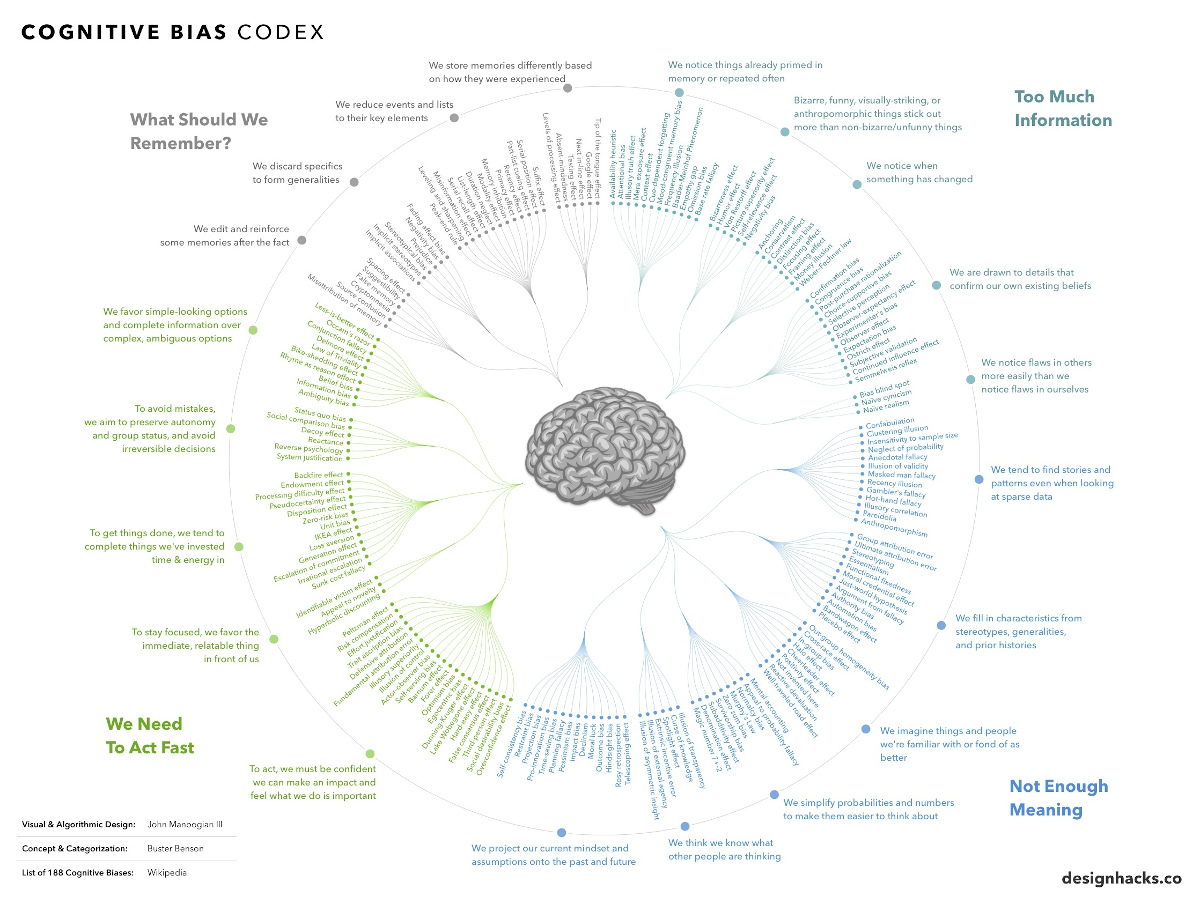
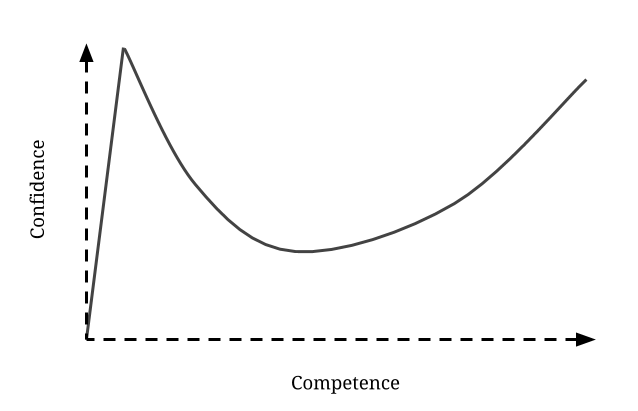
Why do we often overestimate the depth of our knowledge and other aspects of our cognitive abilities?

Searching for simple answers
Research into the mechanisms behind the desire for simpler and more convenient answers.
Power and Stupidity as One Whole
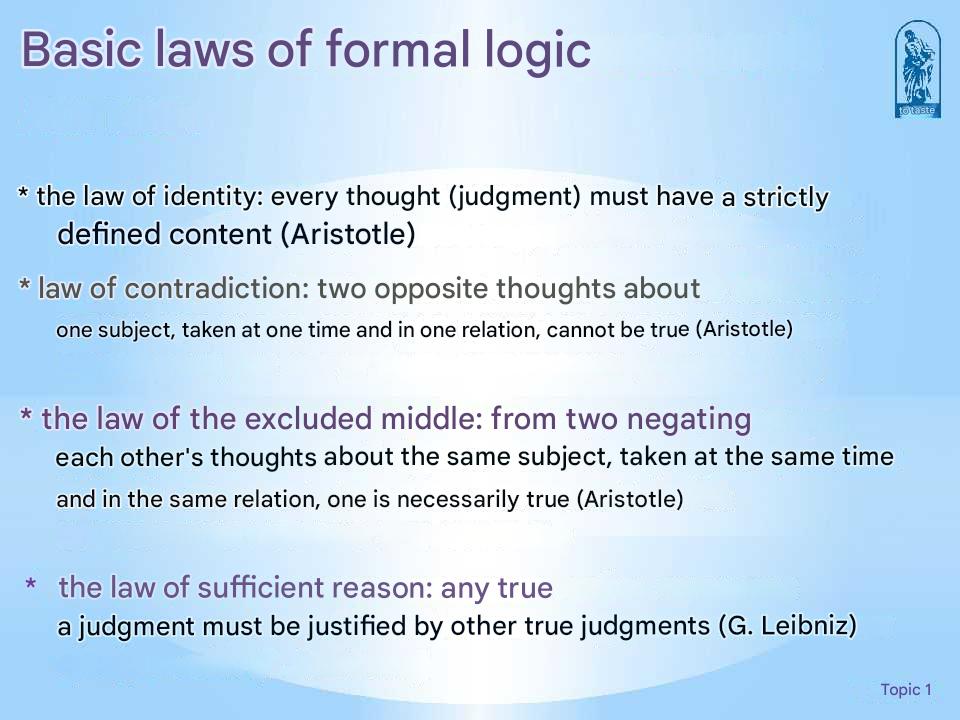
Why high intelligence hinders ruling and why incompetent leaders stay in their posts for so long?

Capitalism
The price of your chocolate is child slavery. The world awaits its first trillionaire, while half of humanity struggles to survive. How did corruption, monopolies, and hidden slavery become the driving forces behind an economy that is destroying both the planet and you?
Discrimination
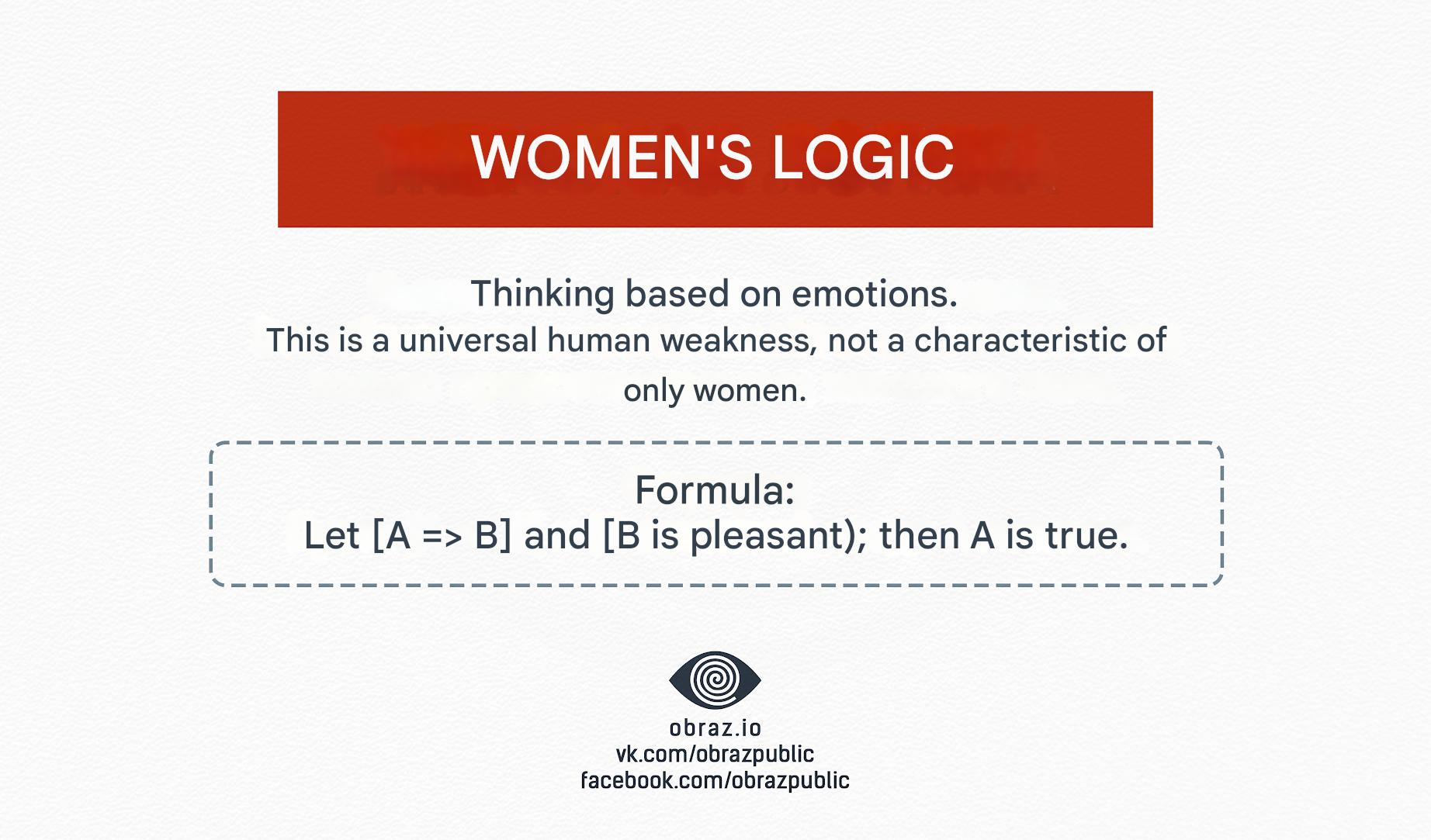
What does genetics say about human unity? The biological basis of human diversity: Why discrimination has no scientific justification.

Resource-based economy
About an alternative to the established economic system, which creates artificial shortages, limits human potential, and destroys the planet's ecology.

Resistance to science
An analysis of how society has resisted science and innovation throughout human history.
Scientific Community
What's Wrong with the Scientific Community and Why True Scientists Don't Exist Yet?