Discrimination
What does genetics say about human unity? The biological basis of human diversity: Why discrimination has no scientific justification.
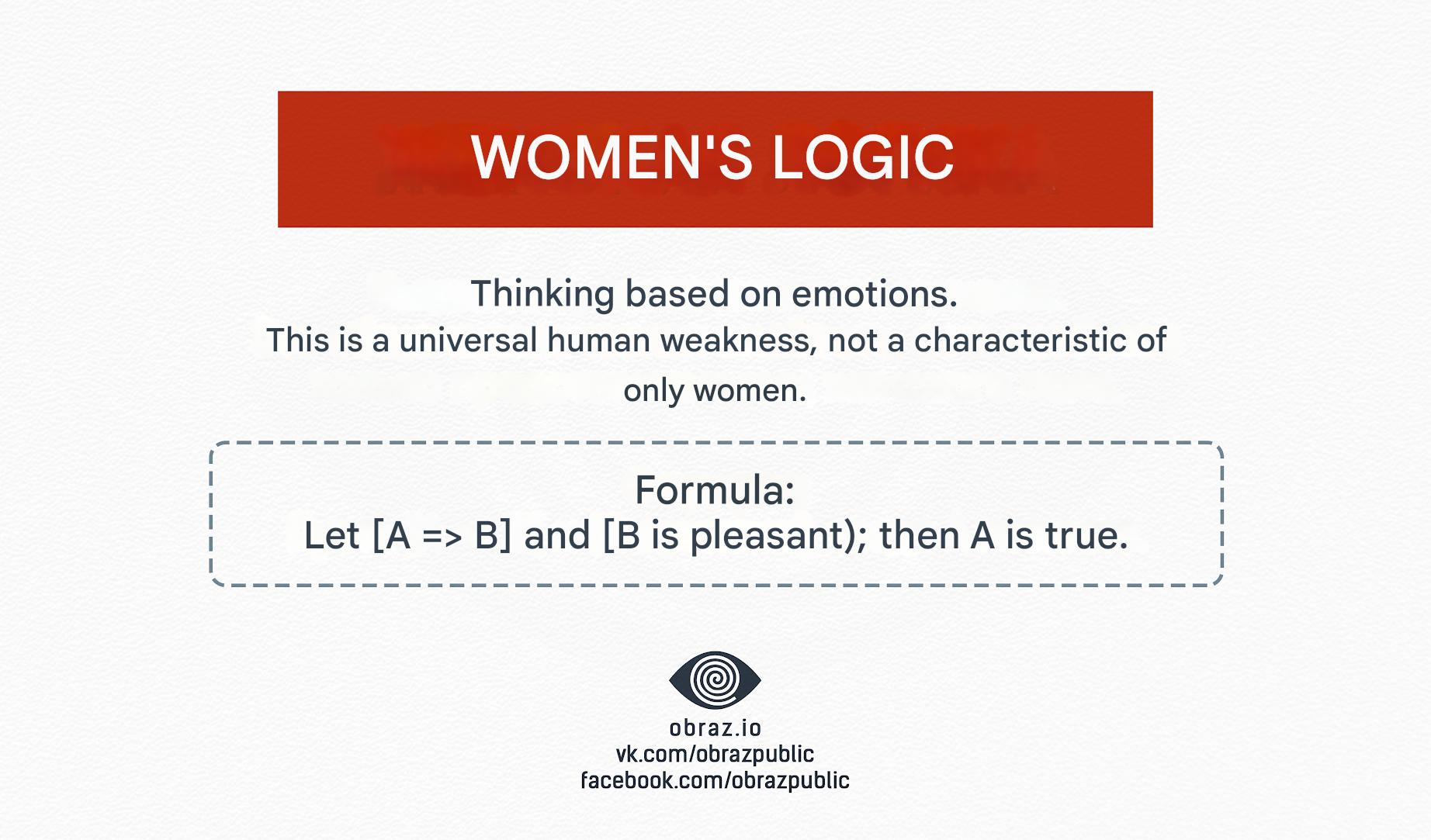
Discrimination: Scientific Evidence Against Prejudice
Discrimination is one of the most destructive social practices, not only causing suffering to millions but also hindering human progress. Modern science provides compelling evidence that most forms of discrimination are based on myths and prejudices, not on biological realities.
The Genetic Unity of Humanity
Modern genetic research irrefutably proves the biological unity of all humanity. The Human Pangenome Reference Consortium has shown that all humans share 99.9% identical DNA, making us one of the most genetically homogeneous species on the planet. A study of the complete human genome has confirmed these findings.
The International Human Genome Sequencing Consortium, which completed its work in 2003 (though the full sequence was only achieved in 2022 according to research on the complete sequence of a human genome), definitively confirmed that all people belong to a single species — Homo sapiens, regardless of external differences.
We Are All Africans
Genetic data unequivocally confirm the African origin of all modern humanity. A study on the genetic structure and history of Africans and African Americans shows that analysis of mitochondrial DNA demonstrates the origin of all modern humans from a small population that left Africa approximately 50-70 thousand years ago. Researchers from the University of Oxford have created the largest human family tree ever, confirming this data.
It is important to note that a study of 47 reference genomes showed that there is more genetic diversity within Africa than in the rest of the world combined. Two individuals from different tribes in Southern Africa can be more genetically different than a Sri Lankan, a Māori, and a Russian. This means that all of us, regardless of skin color or nationality, are part of a single human family with common African roots.
The Absence of Biological Races
The most significant discovery in population genetics is that an analysis of the genetic structure of human populations revealed that 85% of all human genetic diversity is found within populations, not between them. This means that two randomly chosen individuals from the same ethnic group can be more genetically different from each other than representatives of different continents. A study of the human pangenome confirms these findings.
Modern genetics categorically refutes the existence of discrete biological races in humans. An article on the apportionment of human diversity shows:
- There are no clear genetic boundaries between so-called “racial” groups
- Genetic differences are distributed clinally (gradually) across geographical regions, not in discrete blocks
- “Racial purity” is a myth — all populations are the result of ancient and recent admixture
Gender Differences: Science vs. Stereotypes
Studies on sex differences show that the natural differences between the sexes are negligible compared to how much culture exaggerates them. Even where average differences are identified, the individual ranges are enormous.
Brain and Cognitive Abilities
One of the most persistent myths concerns differences in the brains of men and women. A study from the University of Cambridge shows that men’s brains are 8-13% larger by volume, but after normalizing for height and skull size, the difference drops sharply. An analysis of sex differences in brain structure demonstrates that the overlap of distributions is ≥48%, which means there is no “male” or “female” type of brain. A study on cerebral cortex volume confirms these findings.
In cognitive abilities, the differences are also small. A meta-analysis of cognitive abilities shows:
- Verbal memory: women show a small advantage (d ≈ 0.18–0.28)
- Spatial tasks: a study on spatial cognition shows that men perform better at mental rotation (d ≈ 0.3–0.5), but this difference is completely eliminated with special training
Physical Differences
In physical strength, men do indeed surpass women by 40-50% due to greater muscle volume. However, a study on sex differences in strength training shows that relative hypertrophy after strength training is the same — women build muscle mass just as effectively as men with the same training. An analysis of muscle hypertrophy confirms this data.
Multiple Forms of Discrimination
Discrimination is not limited to racial and gender prejudices. Modern research identifies many other forms of bias with serious consequences:
Ageism (Discrimination by Age)
A systematic review and meta-analysis of ageism in hiring shows that older applicants have an 11-50% lower chance of being selected. A study on the link between age discrimination and health found that one in four Britons over 50 is denied medical care based on age, which is associated with higher levels of depression.
Weight Discrimination (Sizism)
A study on weight stigma and health shows that weight stigma increases the risk of depression and increases mortality by 60%, even with the same body mass index. An analysis of the behavioral consequences of weight stigma demonstrates that it reduces motivation for physical activity and encourages overeating.
Discrimination Against LGBT+ People
A Cornell review of 300 studies shows that 95% of studies link discrimination against LGBT+ people to an increased risk of depression, PTSD, suicide, and hypertension. A study on discriminatory stress found that a single discriminatory situation increases stress levels by 1.4 points. An analysis of multiple discrimination shows that the combination of racial and LGBT discrimination triples the chance of an anxiety disorder.
Intersectional Effects
Particularly devastating are cases of multiple discrimination, where a person is subjected to prejudice on several grounds simultaneously. A study on intersectional discrimination shows that the combination of gender, age, orientation, and weight increases the risk of psychological problems: LGBT+ women over 50 have higher levels of chronic pain and social isolation than can be explained by each category separately.
Medical Consequences of Discrimination
Discrimination has serious medical consequences. A study on diversity in genomics shows that 78% of all genomic studies are conducted on people of European descent, although they make up only 16% of the world’s population. This creates inequality in medical care and limits the understanding of the genetic basis of diseases.
Moreover, discrimination itself is a risk factor for health. Chronic stress from discriminatory experiences leads to:
- Increased risk of cardiovascular disease
- A weakened immune system
- Increased incidence of depression and anxiety disorders
- Reduced life expectancy
Economic Consequences
Discrimination causes enormous economic damage to both individuals and society as a whole:
- Underutilization of human potential: when capable people do not get opportunities due to prejudice
- Reduced productivity: stress from discrimination impairs work performance
- High medical expenses: related to the consequences of discriminatory stress
- Loss of innovation: diverse teams show better results in solving complex problems
Practical Solutions
Science offers concrete ways to combat discrimination:
1. Education and Awareness
- Use relative, not absolute, measures when assessing abilities
- Teach critical thinking — a study on the effectiveness of training shows that short training sessions reduce prejudice by 40%
- Disseminate scientific knowledge about the genetic unity of humanity
2. Structural Changes
- Apply the “principle of great overlap” — focus on individual data rather than group averages
- Create an inclusive environment — a study by the American Psychological Association shows that special courses for healthcare professionals halve bias
- Implement blind selection procedures where possible
3. Legislative Measures
- Strengthening anti-discrimination legislation
- Monitoring compliance with equal opportunities
- Creating effective mechanisms for protection against discrimination
4. Developing Empathy
- Intergroup contact programs
- First-person accounts of discriminatory experiences
- Developing active listening and understanding skills
Conclusion: Science vs. Ignorance
Modern science provides powerful arguments against all forms of discrimination:
- All humans belong to a single species with a common African origin
- Genetic differences between individuals within any group are greater than between groups
- “Racial” categories have no biological basis and are social constructs
- Human diversity is a continuum, not discrete categories
- Most supposed differences between groups are the result of social factors, not biology
Discrimination is not a biological inevitability but a social choice based on ignorance. Each of us is responsible for creating a just society where people are valued for their individual qualities and achievements, not for their affiliation with any group.
As geneticist Adam Rutherford noted: “Racism is being expressed in the public sphere more frequently than at any time in my memory, and it is our duty to counter it with facts.” We have these facts. All that remains is to find the courage to use them.
We are all Africans. We are all human. We all deserve equal respect and equal opportunities. This is not an ideological statement — it is a scientific fact.
Sources:
- A draft human pangenome reference (2023)
- A harmonized public resource of deeply sequenced diverse human genomes (2023)
- Implications of the first complete human genome assembly (2022)
- The Human Genome Project Results (n.d.)
- Genetic Structure of Human Populations (2002)
- The 47 Genomes Reference Panel (2023)
- A reference dataset of 12,000 deeply sequenced genomes (2023)
- Human genome poised to transform genetic analysis (2022)
- International Consortium Completes Human Genome Project (2003)
- Initial sequencing and analysis of the human genome (2001)
- HPRC: A human pangenome resource (2023)
- Oxford researchers create largest ever human family tree (2022)
- T2T Consortium and the complete human genome (2022)
- Online Education Kit: 2003 Human Genome Project Completed (2003)
- 400 STRs Database (n.d.)
- Nature Volume 617, Issue 7960 (2023)
- Largest human family tree created (2022)
- The complete sequence of a human genome (2022)
- Human Genome Project – Wikipedia (n.d.)
- Genetic structure and history of Africans and African Americans (2006)
- The Apportionment of Human Diversity – Wikipedia (n.d.)
- Population Structure in Sweden (2004)
- 1000 Genomes Project – Wikipedia (n.d.)
- The 1000 Genomes Project Consortium (2020)
- Initial sequencing and analysis of the mouse genome (2002)
- HPRC’s human pangenome resource (2023)
- Population Structure in Sweden – PDF (2004)
- 1000 Genomes Project Results (2015)
- Microsatellite variation and modern humans (n.d.)
- Mitochondrial DNA and Human Evolution (1987) (1987)
- Lewontin 1972 paper (PDF) (1972)
- Human population structure analysis (n.d.)
- The 1000 Genomes Project sequences 2,504 genomes (n.d.)
- The genetics of African populations (1997)
- Clines, clusters, and the effect of study design (1997)
- Human evolution in the genomic era (2021)
- Critique of Out of Africa model (PDF) (2016)
- 1000 Genomes: A rich profile of genetic diversity (2015)
- Genome variation map based on 1092 genomes (2013)
- Population genomics of human variation (2015)
- Males and females differ in specific brain structures
- Sex differences in brain structure
- Cerebral cortex volume differences
- Spatial cognition training
- Sex differences in strength training
- Muscle hypertrophy differences
- Ageism in hiring meta-analysis
- Age discrimination and health
- Weight stigma and health
- Weight stigma mortality
- Weight stigma behavior
- LGBT discrimination health effects
- LGBT discrimination stress
- LGBT discrimination anxiety
- Genomic research diversity
- Critical thinking training
- Weight stigma training
Related Topics
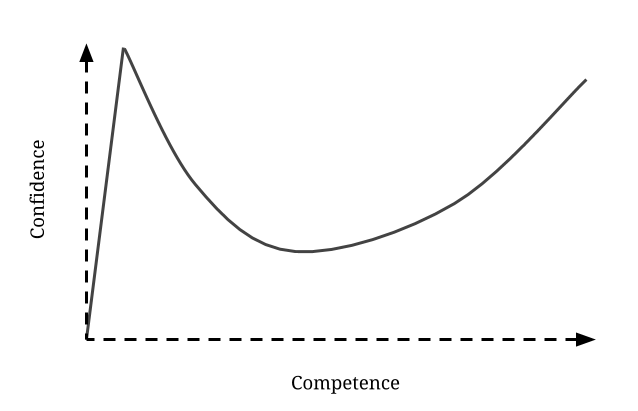
Searching for simple answers
Research into the mechanisms behind the desire for simpler and more convenient answers.

Problem list of Modern Society
A large and comprehensive catalog of systemic problems in modern society.

Resistance to science
An analysis of how society has resisted science and innovation throughout human history.

Why You Shouldn't Be Indifferent to Strangers?
Why indifference to others' thinking destroys civilization: the truth about how your beliefs affect the entire world.