Methods of Thinking
A catalog of most methods of thinking from various fields of psychology, as well as related fields of biology, linguistics, computer science, sociology, and even religion.

This list provides a brief description of various ways of perceiving human behavior, thinking, and our world as a whole. This page is a starting point for more detailed independent study of each of these methods. All of these methods/tools of thinking have been thought out and formulated by many minds of the past.
Why is it important to know all of these methods?
“When you have a hammer in your hand, all problems look like nails.” This saying accurately reflects the importance of studying as many methods and approaches as possible in any field. There is no single correct and universal method. The more tools we know, the more appropriate tool we can choose for a given situation.
1. Psychological Schools and Theories
1.1 Structuralism
Structuralism is the very first approach in the history of psychology, which aimed to break down conscious experience into its smallest components, much like a chemist analyzes a molecule to understand its structure. The main research method was introspection — careful self-observation and description of one’s own thoughts, feelings, and sensations in response to external stimuli (e.g., sound or light). Subjects were specially trained to be as objective and detailed as possible in their reports. The goal was to create a “map” or “periodic table” of the elements of consciousness. Although this method proved too subjective and was supplanted by other schools, structuralism laid the foundation for psychology as an experimental science.
- Key Figures: Wilhelm Wundt founded the world’s first psychological laboratory in Leipzig in 1879, which is considered the birth of scientific psychology. His student, Edward Titchener, brought these ideas to the USA and gave the movement its name.
1.2 Functionalism
Functionalism emerged as a direct critique of structuralism. Instead of asking “What is consciousness made of?”, functionalists asked “What is it for?”. They were interested in the adaptive function of thinking and behavior — how mental processes help a person (or animal) adapt to their environment, survive, and thrive. Influenced by Charles Darwin’s theory of evolution, they viewed consciousness as a tool for solving practical problems. This approach broadened the subject of psychology to include the study of children’s behavior, animals, and individual differences, and paved the way for applied psychology, for example, in education.
- Key Figures: William James, author of the fundamental work “The Principles of Psychology,” viewed consciousness as a continuous “stream,” not a set of static elements. John Dewey applied the principles of functionalism to pedagogy, arguing that learning should be active and problem-solving oriented.
1.3 Gestalt Psychology
Gestalt psychology emerged in Germany as another alternative to structuralism. Its central idea is that we perceive the world not as a sum of separate elements, but as holistic images or “gestalts.” The famous principle “the whole is greater than the sum of its parts” means that perception has properties that cannot be explained by analyzing its individual components. For example, a melody is not just a set of individual notes, but a holistic structure. Gestaltists studied the laws by which our brain organizes sensory information, such as the principles of proximity (objects close together are perceived as a group), similarity (similar objects are grouped), and closure (the brain strives to “complete” incomplete figures). This approach had a huge influence on the study of perception and problem-solving (especially through the concept of insight — sudden enlightenment).
- Key Figures: Max Wertheimer is considered the founder of the school, studying the phenomenon of apparent movement (phi phenomenon). Wolfgang Köhler conducted famous experiments with chimpanzees that demonstrated problem-solving through insight.
1.4 Behaviorism
Behaviorism radically changed the focus of psychology by stating that only objectively observable behavior could be studied, while internal mental processes (the “black box” of consciousness) were inaccessible to scientific analysis. Thinking, from the behaviorists’ point of view, is the result of learning, a chain of reactions to stimuli from the environment. Behavior is shaped through reinforcement (a reward that increases the likelihood of a behavior being repeated) and punishment (which decreases it). This approach emphasized the crucial role of the environment in shaping personality and abilities. Behaviorism made a huge contribution to the understanding of learning processes (classical and operant conditioning) and is still widely used in therapy (e.g., treating phobias) and education.
- Key Figures: John Watson proclaimed the behaviorist manifesto. Ivan Pavlov discovered the mechanism of the classical conditioned reflex (dogs salivating to a bell). B.F. Skinner extensively researched operant conditioning, where behavior is controlled by its consequences.
1.5 Psychoanalysis
Psychoanalysis, created by Sigmund Freud, revolutionized psychology by suggesting that our thinking and behavior are largely determined by unconscious drives, desires, and repressed memories. Freud proposed a structural model of the psyche consisting of three parts: the Id (primitive, instinctual desires operating on the pleasure principle), the Ego (the rational part seeking a compromise between the Id and reality), and the Superego (internalized social norms and morality, the “conscience”). Conflicts between these structures generate anxiety, which the Ego copes with using defense mechanisms. Psychoanalysis asserts that the key to understanding adult thinking is the analysis of childhood experience.
- Methods: Free association (the patient says whatever comes to mind) and dream analysis (the “royal road to the unconscious”) are used to identify hidden conflicts.
- Key Figures: Sigmund Freud — the founder. Erik Erikson expanded the theory by adding psychosocial stages of development throughout the lifespan.
1.6 Humanistic Psychology
Humanistic psychology emerged in the mid-20th century as a reaction to the determinism of psychoanalysis (humans are determined by the unconscious) and behaviorism (humans are determined by the environment). This school is called the “third force” as it offered a more optimistic view of human nature. Humanists emphasize the uniqueness of each individual, their free will, responsibility for their own choices, and an innate striving for self-actualization — the full realization of one’s potential. Thinking here is seen as a tool for personal growth, the search for meaning, and achieving harmony. The main focus is on the subjective experience of the person, their values, and experiences.
- Key Figures: Abraham Maslow created the famous “hierarchy of needs,” at the top of which is the need for self-actualization. Carl Rogers developed client-centered therapy based on unconditional positive regard and empathic understanding.
1.7 Cognitive Psychology
Cognitive psychology, which emerged in the 1960s, brought the focus of science back to the internal mental processes that behaviorism ignored. The “cognitive revolution” was largely inspired by the advent of computers. Psychologists began using the computer metaphor, viewing the human mind as a complex information processing system that receives data (input), encodes, stores, transforms, and retrieves it (output). This school studies how people perceive information, learn, remember, solve problems, and use language. It investigates processes such as attention, memory (short-term, long-term), perception, thinking, and decision-making.
- Key Figures: Jean Piaget studied children’s cognitive development. Lev Vygotsky emphasized the role of social and cultural context in the development of thinking.
1.8 Biological Psychology
Biological psychology (or psychophysiology) investigates the physiological bases of thinking and behavior. It proceeds from the premise that all our thoughts, feelings, and actions are ultimately linked to processes in the nervous system. This approach studies how brain structures (e.g., the cerebral cortex, limbic system), neurotransmitters (chemical substances that transmit signals between neurons, such as dopamine and serotonin), hormones (e.g., cortisol and adrenaline), and genes affect cognitive functions and behavior.
- Methods: Modern neuroimaging technologies such as fMRI (functional magnetic resonance imaging) and EEG (electroencephalography) allow scientists to observe brain activity in real time during various mental tasks.
2. Russian and Soviet Contributions
2.1 Reflexology
Reflexology, developed by Vladimir Bekhterev, was a comprehensive approach to the study of humans that sought to explain all mental processes, from the simplest to the most complex (including thinking and social behavior), through the mechanism of reflexes. Bekhterev believed that any activity is based on a reflex—the organism’s response to an external or internal stimulus. He expanded the concept of the reflex proposed by Pavlov and introduced the term “associative reflex” to explain the formation of complex behavioral acts. This approach was strictly objective and materialistic, attempting to reduce all psychology to the physiology of the nervous system.
2.2 Cultural-Historical Psychology
This influential theory, created by Lev Vygotsky, asserts that human consciousness and higher mental functions (such as logical memory, voluntary attention, abstract thinking) are not given by nature but are formed in the process of social interaction and the assimilation of culture. The concept of the sign (primarily language), which acts as a psychological tool, is key. First, the child uses speech to communicate with others, and then “internalizes” it, turning it into inner speech, which becomes the main instrument of thinking. Thus, the development of thinking proceeds from the social to the individual.
2.3 Activity Theory
Developing Vygotsky’s ideas, Alexei Leontiev and his followers (Sergei Rubinstein) proposed viewing the psyche and consciousness not as something isolated, but as an integral part of human object-oriented, purposeful activity. According to this theory, it is in activity (play, learning, labor) that consciousness is formed and manifested. The structure of activity includes need, motive (what prompts activity), goal (a conscious result), and actions (steps to achieve the goal), which, in turn, consist of operations (automated ways of performing actions). Thinking here is an internal plan of activity.
2.4 Physiology of Higher Nervous Activity
The work of Ivan Pavlov laid the natural scientific foundation for understanding behavior and, indirectly, thinking. He divided all reflexes into unconditioned (innate, like withdrawing a hand from something hot) and conditioned (acquired through experience). The mechanism of forming conditioned reflexes (e.g., a dog salivating to a bell that previously accompanied food) made it possible to explain how an organism adapts to changing environmental conditions. Pavlov also introduced the concept of the second signal system (speech, words), which is unique to humans and is the basis for abstract thinking, allowing one to operate with concepts, not just concrete signals from the senses.
2.5 Theory of the Stage-by-Stage Formation of Mental Actions
Pyotr Galperin developed a detailed theory of how external, practical actions are gradually transformed into internal, mental ones. This process of internalization goes through several obligatory stages. First, the student performs the action in a material form (e.g., counting sticks). Then this action is transferred to the plane of loud speech (speaking aloud). Next—to the plane of “external speech to oneself.” After this, the speech becomes fully internal, condensed, and finally, the action is automated and performed “in the mind.” This theory formed the basis of developmental education and showed how complex intellectual skills can be purposefully formed.
2.6 Concept of the Zone of Proximal Development (ZPD)
Another fundamental idea of Lev Vygotsky. The ZPD is the difference between what a child can do independently (the level of actual development) and what they can do with the help of an adult or a more capable peer (the level of potential development). Vygotsky argued that learning is effective only when it “runs ahead” of development and is oriented precisely towards this zone. What a child can do today in cooperation, they will be able to do independently tomorrow. This concept emphasizes the crucial role of social interaction and purposeful instruction in mental development.
3. Cognitive Theories and Models
3.1 Theory of Cognitive Development
Jean Piaget, a Swiss psychologist, created one of the most influential theories about how children’s thinking develops. He believed that children are “active scientists” who construct their understanding of the world through interaction with it. Development occurs through two key processes: assimilation (incorporating new information into existing mental structures, or schemata) and accommodation (modifying these schemata to fit new information). Piaget identified four main stages of development, each characterized by a qualitatively different way of thinking:
- Sensorimotor (0-2 years): The child learns about the world through actions and sensations.
- Preoperational (2-7 years): Language and symbolic play appear, but thinking is egocentric and illogical.
- Concrete Operational (7-11 years): The child can think logically about concrete objects and events.
- Formal Operational (11+ years): The ability for abstract, hypothetico-deductive thinking emerges.
3.2 Schema Theory
Schema theory suggests that our knowledge about the world is organized in the form of schemata — mental structures that represent generalized packets of information about concepts, events, or objects. For example, you have a “restaurant” schema that includes knowledge about menus, waiters, ordering food, and paying the bill. These schemata help us quickly understand new information, make inferences, and predict events, filling in the gaps in our experience. When we encounter something new, we try to fit it into an existing schema. If this fails, the schema may be modified or replaced. This theory is important for understanding memory, perception, and reading.
- Key Figures: Frederic Bartlett was a pioneer in this field, showing in his story recall experiments how people distort information to fit their cultural schemata.
3.3 Cognitive Dissonance
Leon Festinger’s theory describes a state of strong psychological discomfort that arises when a person holds two or more contradictory beliefs, ideas, or values simultaneously, or when their behavior contradicts their beliefs. For example, a smoker who knows that smoking is harmful to health experiences cognitive dissonance. To reduce this discomfort, the person strives to change either their behavior (quit smoking) or their beliefs (e.g., convincing themselves that “we all die someday” or “the statistics are exaggerated”). This theory explains many aspects of decision-making, attitude change, and self-justification.
3.4 Cognitive Load Theory
This theory, developed by John Sweller, deals with the limitations of our working memory — the mental space where we temporarily store and process information. Working memory has a very limited capacity. The theory states that effective learning occurs when teaching methods minimize unnecessary cognitive load, allowing the learner to focus their mental resources on the learning material itself. Three types of load are distinguished:
- Intrinsic: The complexity of the material itself.
- Extraneous: Load created by the way information is presented (e.g., a confusing instruction).
- Germane: Load associated with processing information, building schemata, and deep understanding (this is “good” load).
3.5 Dual Process Theory
This influential model, popularized by Daniel Kahneman (Nobel laureate), suggests that our thinking operates in two different modes, or “systems”:
- System 1: Operates automatically, quickly, intuitively, and with little effort. It is responsible for instant reactions, face recognition, simple calculations (2+2), and stereotypical thinking. It is prone to errors and cognitive biases.
- System 2: This is slow, analytical, conscious, and effortful thinking. It is engaged when we solve a complex problem, make an important choice, or check intuitive guesses from System 1. Most of the time we rely on System 1, and this is efficient, but solving complex problems requires engaging the energy-consuming System 2.
3.6 Theory of Mind (ToM)
Theory of Mind is a fundamental cognitive ability to understand that other people have their own mental states — beliefs, desires, intentions, and emotions — that may differ from our own. This ability allows us to explain and predict the behavior of others and to interact effectively with them in society. For example, to understand sarcasm, one needs to realize that the speaker means something other than the literal meaning of the words. This ability usually develops in children around the age of 4 and is key to social cognition. Impairments in Theory of Mind are associated with autism spectrum disorders.
4. Philosophical Methods
4.1 Dialectics
Dialectics is a method of cognition and argumentation based on the idea that development occurs through the clash and resolution of contradictions. In its classical form, most fully developed by Hegel, this process is described by the triad “thesis — antithesis — synthesis.” First, a certain assertion (thesis) is put forward. Then a contradictory assertion (antithesis) is opposed to it. As a result of their clash, a synthesis arises — a new, higher knowledge that resolves the contradiction by incorporating elements of both the thesis and the antithesis. This synthesis, in turn, becomes a new thesis for further development. Thus, dialectical thinking views the world not as a static set of facts but as a dynamic process of constant change and development through the struggle of opposites.
- Historical Development: Ideas of dialectics can be traced from antiquity (Heraclitus, who taught about eternal motion and the struggle of opposites) and the dialogues of Plato, to classical German philosophy (Hegel) and the materialist dialectics of Marx.
4.2 Critical Thinking
Critical thinking is not just the accumulation of information, but its active and skillful processing. It is a disciplined intellectual process that involves analysis (breaking down information into its component parts), synthesis (combining parts to create new understanding), and evaluation (determining the value, validity, and relevance of information and arguments). The key goal is to arrive at a reasoned judgment. A person who thinks critically asks questions, identifies hidden assumptions, evaluates evidence, recognizes logical fallacies (errors in reasoning), and considers alternative points of view before forming their own opinion. This thinking is reflective, self-directed, and self-correcting.
- Logic: The basis of critical thinking is formal logic, including categorical (analysis of relations between classes of objects) and propositional (analysis of the truth of complex statements) logic.
4.3 Thought Experiments
A thought experiment is a method of investigating the nature of things by imagining a hypothetical situation and tracking its consequences. It is a kind of “laboratory in the mind” that allows one to explore concepts that cannot be tested in a real physical experiment due to technical, ethical, or physical limitations. The goal of such an experiment is not to predict the outcome of a real experiment but to clarify theoretical concepts, reveal internal contradictions in a theory, or explore the boundaries of our intuitive ideas.
- Examples: The “Trolley Problem” in ethics forces a choice between two bad outcomes, exploring the foundations of morality. “Schrödinger’s Cat” in physics illustrates the paradoxes of quantum mechanics. The “Chinese Room” in the philosophy of mind challenges the idea of strong artificial intelligence.
4.4 Reductio ad Absurdum (Reduction to Absurdity)
This is a powerful logical technique used to refute a statement. The method involves first temporarily assuming the truth of the statement we want to refute. Then, using strict logical steps, we deduce from this assumption a consequence that is obviously false, absurd, or contradictory to known facts or the initial assumption itself. Since a true premise cannot logically lead to a false conclusion, we conclude that our initial assumption was erroneous. This method is also known as proof by contradiction and is a fundamental tool in mathematics, logic, and philosophy.
4.5 Socratic Method
The Socratic method, or maieutics (“midwifery”), is a form of dialogue in which one person helps another “give birth” to knowledge that is already hidden within them. Instead of providing ready answers, the “Socratic teacher” asks a series of leading questions that force the interlocutor to critically examine their own beliefs, identify contradictions in their reasoning, and arrive at a deeper and more conscious understanding. The method begins with the acknowledgment of one’s own ignorance (“I know that I know nothing”), which creates openness to inquiry. It is not a debate aimed at winning, but a joint search for truth through questioning and reflection.
4.6 Russian Religious Philosophy
This is a unique direction of philosophical thought that flourished in the late 19th and early 20th centuries, seeking to synthesize Orthodox Christianity with Western philosophical tradition. Key themes were metaphysical and ethical questions about the meaning of life, freedom, creativity, the nature of evil, and the fate of Russia. A central idea is the concept of All-Unity (developed by Vladimir Solovyov), which affirms the original ontological unity of the world in God and sees the goal of human history as the restoration of this unity. Another important concept is personalism, which emphasizes the absolute value of the human person as the image and likeness of God, its uniqueness and creative freedom (expressed particularly vividly by Nikolai Berdyaev).
4.7 Dialectical Materialism (“Diamat”)
Dialectical materialism is the philosophical foundation of Marxism, which was adopted as the official ideology in the USSR. This method combines two approaches: materialism (the assertion that matter is primary and consciousness is secondary and is a property of highly organized matter) and Hegel’s dialectics, “turned right side up.” Unlike Hegel’s idealist dialectics, where development occurs in the world of ideas, diamat asserts that the laws of dialectics (the unity and struggle of opposites, the transformation of quantitative changes into qualitative ones, the negation of the negation) are universal laws of the development of nature itself, society, and thinking. This method was used to analyze historical processes, explain social changes, and as the basis for scientific knowledge.
4.8 Phenomenology
Phenomenology, founded by Edmund Husserl, is a philosophy and method that calls to “return to the things themselves.” Its goal is to describe the structures of experience as they are presented to consciousness, without preconceived theories, interpretations, and scientific hypotheses. For this, the method of phenomenological reduction, or “epoché” (suspension of judgment), is used, which involves “bracketing” our everyday assumptions about the existence of the external world. This allows the researcher to focus on pure experience—on how things are given to our consciousness. Phenomenology studies such fundamental structures as perception, thinking, memory, imagination, and self-awareness, seeking to reveal their essential (eidetic) features.
5. Creative Techniques and Problem Solving
5.1 Brainstorming
This is one of the most famous techniques for generating a large number of ideas in a short time. It is conducted in a group where participants freely express any, even the most fantastic and absurd ideas on a given topic. The key principle is deferred judgment. At the idea generation stage, any evaluation, criticism, or discussion is prohibited. This creates a safe and relaxed atmosphere that helps overcome psychological barriers and thinking patterns. The four basic rules are: 1) Criticism is ruled out; 2) “Freewheeling” is welcomed (wild ideas are encouraged); 3) Quantity is wanted (quantity over quality); 4) Combination and improvement are sought (combine and build on others’ ideas). Analysis and selection of ideas occur only after the brainstorming session is complete.
5.2 Six Thinking Hats
A method developed by Edward de Bono to structure group and individual thinking. It suggests considering a problem from six different perspectives, each symbolically represented by a hat of a specific color. This allows thinking to be separated into different modes and avoids confusion where emotions, logic, criticism, and creativity get tangled together.
- White Hat: Facts, figures, objective information.
- Red Hat: Emotions, feelings, intuition, hunches.
- Black Hat: Caution, judgment, criticism, risks, drawbacks.
- Yellow Hat: Optimism, benefits, advantages, positive aspects.
- Green Hat: Creativity, new ideas, alternatives, possibilities.
- Blue Hat: Managing the thinking process, setting goals, summarizing.
Using the hats allows all participants to think in the same direction at the same time (parallel thinking), making the discussion more constructive.
5.3 Mind Maps
This is a tool for visualizing and structuring information that mimics the natural work of the human brain — radial thinking. The key concept or problem is placed in the center of a sheet of paper. From it, like the branches of a tree, rays diverge to the main related ideas. Each of these ideas, in turn, can become a center for further branching. Unlike linear notes, mind maps use colors, drawings, symbols, and keywords, which activates both hemispheres of the brain and promotes better memorization, understanding, and generation of new ideas. They are ideal for note-taking, planning, brainstorming, and preparing for presentations.
5.4 Lateral Thinking
A term introduced by Edward de Bono to describe an indirect, non-standard approach to problem-solving. Unlike vertical (logical) thinking, which moves sequentially and predictably from one point to another, lateral thinking looks for workarounds, questions initial assumptions, and tries to look at the problem from a completely new, unexpected angle. It is thinking that “digs a hole in a different place” rather than “digging the same hole deeper.” Lateral thinking techniques include provocation (introducing a deliberately false statement to shift thinking), random entry (linking the problem to a random word or object), and abandoning obvious solutions.
5.5 SCAMPER
SCAMPER is a mnemonic acronym that represents a set of seven prompting questions for generating new ideas by modifying an existing product, service, or process. It is a kind of creativity checklist:
- S (Substitute): What can be substituted? (Components, materials, people)
- C (Combine): What can be combined? (Mix ideas, goals, materials)
- A (Adapt): What can be adapted? (Change context, use someone else’s idea)
- M (Modify): What can be modified? (Magnify, minify, change shape, color)
- P (Put to another use): How else can this be used?
- E (Eliminate): What can be eliminated or simplified?
- R (Reverse / Rearrange): What can be reversed or rearranged? (Order, role, components)
This method helps systematically explore various possibilities for innovation.
5.6 First Principles Thinking
This is a method of solving complex problems by breaking them down to fundamental, basic truths (“first principles”) and then building a solution from the ground up on that basis. Instead of reasoning by analogy (i.e., doing something because it was done before), this approach requires breaking the problem down into indisputable facts, axioms, of which it consists. Once you have identified these basic “building blocks” of knowledge, you can start assembling a new, often innovative solution from them, free from the burden of previous assumptions and traditions. This method requires deep analysis and often leads to breakthrough ideas. Elon Musk often cites this approach as the basis for reducing rocket costs at SpaceX.
5.7 TRIZ (Theory of Inventive Problem Solving)
TRIZ is a unique methodology created by Genrich Altshuller based on the analysis of tens of thousands of patents. Altshuller discovered that most inventions are based on the same recurring principles and patterns, and that technical systems evolve according to predictable laws. TRIZ offers a systematic, algorithmic approach to solving technical problems. Instead of a chaotic enumeration of options, it teaches to identify and resolve technical contradictions (e.g., “the part must be strong but also light”) using a set of standard techniques (40 inventive principles) and principles. TRIZ is a powerful tool for engineers and innovators, turning the “art” of invention into a precise science.
5.8 Synectics
Synectics, developed by William Gordon, is a method of problem-solving based on using analogies to make “the familiar strange and the strange familiar.” The goal is to move beyond the usual view of the problem. During a group session, participants sequentially use different types of analogies:
- Direct Analogy: Searching for similar problems in other areas (e.g., in nature).
- Personal Analogy (Empathy): The participant imagines themselves as part of the problem (“If I were this mechanism…”).
- Symbolic Analogy: Describing the problem in the form of a brief, paradoxical image or metaphor.
- Fantastic Analogy: Imagining an ideal, magical solution to the problem, without regard to real limitations.
This process helps generate unexpected and creative solutions.
5.9 Morphological Analysis
A method proposed by astrophysicist Fritz Zwicky for the systematic exploration of all possible solutions to a problem. First, key, independent parameters (characteristics) of the object or problem are identified. For each parameter, a list of all its possible implementations is compiled. This data is then organized into a “morphological box” (a matrix) where rows correspond to parameters and columns to their variants. By combining one variant from each row, one can systematically generate and analyze all theoretically possible solutions, including those that might be missed in a typical brainstorming session.
6. Evolutionary and Behavioral Concepts
6.1 The Selfish Gene
This concept, popularized by biologist Richard Dawkins in his book of the same name, proposes looking at evolution from the point of view of the gene, not the individual or the species. From this position, organisms (including humans) are merely “survival machines” created by genes to ensure their own replication and transmission to future generations. Behavior that appears altruistic at the individual level (e.g., self-sacrifice for relatives) is “selfish” from the gene’s point of view, as it promotes the survival of copies of that same gene in other bodies. This theory helps explain many complex forms of social behavior, such as kin selection (helping relatives) and reciprocal altruism.
6.2 Evolutionary Psychology
This is a field in psychology that attempts to explain human thinking, emotions, and behavior as the result of psychological adaptations formed during evolution to solve recurring problems in the environment of our ancestors (in the Pleistocene). For example, fear of snakes and heights, mate selection preferences, and the tendency to cooperate in small groups are all seen as legacies that once increased the chances of survival and reproduction. Evolutionary psychologists formulate hypotheses about the functions of certain cognitive mechanisms and test them through experiments, cross-cultural studies, and comparative analysis with other species.
6.3 Adaptive Thinking
This approach is closely related to evolutionary psychology and focuses on how cognitive processes were “designed” by natural selection to solve specific tasks in the environment of evolutionary adaptedness (EEA). It suggests that our mind is not a universal computer but rather a “Swiss Army knife” with a set of specialized modules, each “sharpened” for its own task (finding food, avoiding predators, choosing a mate, social interaction). Thinking is considered adaptive if it leads to behavior that increases survival and reproductive success in the environment in which it was formed.
6.4 Ethology
Ethology is the biological science that studies animal behavior in their natural habitat. Unlike behaviorism, which focused on learning in laboratory settings, ethologists are interested in innate, instinctive behavior patterns (such as courtship, territoriality, parental care). They analyze how certain behavior is triggered by key stimuli and what its adaptive function is. The work of ethologists such as Konrad Lorenz (known for his studies of imprinting in goslings) and Niko Tinbergen had a huge influence on the understanding of the biological bases of behavior, including human behavior.
6.5 Sociobiology
Sociobiology, whose founder is Edward O. Wilson, is a field of science that systematically studies the biological bases of all social behavior. It combines data from ethology, ecology, and genetics to explain phenomena such as aggression, altruism, parental behavior, and hierarchy in animals and humans. The main idea is that social behavior, like physical traits, was shaped by natural selection. This field caused much controversy, especially when applied to humans, as its critics feared the reduction of complex human behavior to genetic determinism; however, it laid the groundwork for modern evolutionary psychology.
6.6 Memes
The term “meme” was introduced by Richard Dawkins by analogy with “gene.” A meme is a unit of cultural information (an idea, melody, catchphrase, technology, theory) that “replicates” by transmitting from one person to another through imitation, learning, or communication. Like genes, memes compete with each other for survival in the “cultural environment” (minds of people). Successful memes (those that are easy to remember, evoke strong emotions, or seem useful) spread and become part of the culture, while less successful ones disappear. The concept of memes (memetics) offers an evolutionary approach to understanding cultural development.
7. Semantic and Logical Concepts
7.1 General Semantics
General Semantics, developed by Alfred Korzybski, is not so much a theory of the meaning of words as a practical discipline aimed at improving thinking and communication through awareness of the limitations and traps of language. Its central principle is “the map is not the territory.” This means that our words and mental models (the map) are not reality itself (the territory). People often confuse these levels, leading to misunderstandings, conflicts, and inadequate reactions. General Semantics offers tools (e.g., the Structural Differential — a visual model of levels of abstraction) to develop mindfulness in the use of language so that our responses are based on reality, not on automatic verbal associations.
7.2 Formal Logic
Formal logic is the science of the rules of correct reasoning, which studies the form of arguments, abstracting from their specific content. It analyzes how from some statements (premises) others (conclusions) can be necessarily deduced, regardless of whether the premises themselves are true. The founder of formal logic is Aristotle, who created the doctrine of syllogisms. Modern formal logic includes many branches, such as propositional logic and predicate logic, and is the foundation of mathematics, computer science, and philosophy. In the 20th century, non-classical logics also appeared, for example, fuzzy logic, which deals with concepts that do not have clear boundaries.
7.3 Logical Semantics
Logical semantics is a branch of logic that studies the relationship between linguistic expressions (in formal languages) and what they mean in the real or imagined world. If syntax studies the rules for constructing expressions, then semantics studies their meaning and truth conditions. A key figure in this field is Alfred Tarski, who gave a rigorous definition of the concept of truth for formalized languages. His famous semantic conception of truth states: “The sentence ‘Snow is white’ is true if and only if snow is white.” This, seemingly trivial principle, laid the foundation for model theory and other branches of mathematical logic.
7.4 Pragmatics
Pragmatics is the area of linguistics and philosophy of language that studies how context influences the meaning of an utterance. While semantics deals with the literal meaning of words and sentences, pragmatics investigates “meaning in use.” It analyzes how speakers use language to achieve certain goals, how listeners understand not only what is said but also what is meant (e.g., irony, hints, indirect requests). Key concepts of pragmatics are speech act, implicature (implied meaning), and deixis (pointing to context through words like “I,” “here,” “now”). The founder of pragmatism as a philosophical trend is considered to be Charles Sanders Peirce.
7.5 Linguistic Relativity (Sapir-Whorf Hypothesis)
The linguistic relativity hypothesis asserts that the structure of the language we speak influences our thinking, perception of the world, and cognitive processes. There are two versions of this hypothesis:
- Strong version (linguistic determinism): Language completely determines thinking. We cannot think about things for which our language has no concepts. This version is largely rejected by modern science.
- Weak version (linguistic relativity): Language influences thinking and facilitates or hinders certain ways of perceiving. For example, if a language has many words for shades of blue, its speakers may find it easier to distinguish these shades.
This hypothesis continues to be the subject of active research and debate.
8. Mindfulness and Attention Concepts
8.1 Mindfulness Practice
Mindfulness is the practice of intentionally directing attention to the present moment (to one’s thoughts, feelings, bodily sensations, and the surrounding environment) non-judgmentally. It is not an attempt to stop thoughts, but rather observing them from the side, without getting involved or judging. Integrating meditation and other practices into daily life helps develop constant awareness. The goal is to develop metacognitive control — the ability to be aware of one’s own thought processes. Mindfulness practice helps reduce stress, improve concentration, reduce automatic reactions, and develop a more balanced attitude towards one’s inner experience.
8.2 Units of Attention
This concept, proposed by L. Ron Hubbard within his teachings of Dianetics and Scientology, postulates that attention is not a continuous flow but consists of discrete “quanta” or “units.” According to this theory, a person possesses a certain number of such units of attention that they can direct to the outside world or to their thoughts. When these units get “stuck” on past traumatic events (engrams), the person loses the ability to perceive the present effectively. Although this concept is central to Scientology, it is not recognized by academic psychology and cognitive science, which view attention as a more complex and multi-component process.
8.3 Vipassanā
Vipassanā, which in Pali means “to see things as they really are,” is one of the oldest meditation techniques in the Theravada Buddhist tradition. It is a practice of insight meditation, the goal of which is deep understanding of the true nature of reality. The main method is systematic and impartial observation of one’s bodily sensations and mental processes. Through this observation, the practitioner experientially comprehends the three fundamental characteristics of existence: anicca (impermanence), dukkha (unsatisfactoriness, suffering), and anattā (non-self, the absence of a permanent “I”). This leads to liberation from mental defilements and suffering.
8.4 Zen (Zen Buddhism)
Zen is a school of Mahayana Buddhism that places particular emphasis on meditation practice (zazen) as a path to the direct apprehension of reality, or enlightenment (satori). Zen Buddhism asserts that the true nature of reality cannot be grasped through conceptual thinking, reading sacred texts, or rituals. Instead, it calls for direct experience, free from the filters of language and concepts. Thinking in Zen is often directed at overcoming duality (subject-object, self-other) and realizing the unity of all things. Practices such as meditation on koans (paradoxical riddles) are used to “stop” the logical mind and provoke sudden intuitive insight.
8.5 Yoga
Yoga is an ancient Indian system of physical, mental, and spiritual practices aimed at achieving unity (Sanskrit “yoga” — “union,” “unity”) of mind, body, and spirit. Although in the West yoga is often associated mainly with physical postures (asanas), this is only one of its eight “limbs” described in Patanjali’s Yoga Sutras. Other important components include ethical principles (yamas and niyamas), breathing exercises (pranayama), and meditative practices (pratyahara, dharana, dhyana), leading to the state of samadhi (integration of consciousness, enlightenment). From the point of view of thinking, yoga is a method of calming the “fluctuations of the mind” to achieve a state of clarity and inner peace.
9. Modern Systemic Approaches
9.1 General Systems Theory
General Systems Theory (GST), proposed by biologist Ludwig von Bertalanffy, is an interdisciplinary approach that focuses not on the study of individual objects but on systems as wholes. The main idea is that there are universal principles and laws applicable to systems of any kind, be it a biological organism, a social group, an economy, or a mechanism. GST studies concepts such as interrelation, feedback, homeostasis (maintaining stability), and emergence (the arising of system properties absent in its elements). Instead of taking the system apart (reductionism), GST seeks to understand how elements interact with each other, creating a unified whole.
9.2 Cybernetics
Cybernetics, whose founder is mathematician Norbert Wiener, is the science of control, communication, and information processing in complex systems, both artificial (machines, computers) and living (organisms, societies). The central concept of cybernetics is feedback. This is the process by which a system uses information about the results of its previous activity to correct subsequent actions. For example, a thermostat uses feedback to maintain a constant temperature. Cybernetics studies how systems achieve goals, adapt to changes, and maintain stability. Its ideas have had a huge impact on the development of computer science, robotics, biology, and sociology.
9.3 Systems Analysis
Systems analysis is an applied methodology that uses the principles of general systems theory and cybernetics to solve complex, multi-component problems, especially in the field of management and decision-making. It is a comprehensive study of a system aimed at improving its functioning. The process usually includes: defining the system’s goals, identifying its boundaries and elements, analyzing the interrelationships between elements, building a model of the system, generating and evaluating alternative solutions. Systems analysis is widely used in business, military affairs, public administration, and engineering to solve problems that are too complex for an intuitive approach.
9.4 Systems Thinking
Systems thinking is a mode of analysis that focuses on the interconnections and interactions between the parts of a system, rather than on the parts themselves in isolation. It is a practical skill that allows one to see not linear cause-and-effect chains, but feedback loops and hidden patterns. A systems thinker understands that actions in one part of a system can lead to unexpected and delayed consequences in another. Based on the principle “the whole is greater than the sum of its parts,” this approach helps to understand how complex problems arise (e.g., economic crises or environmental problems) and to find more effective, long-term solutions by acting on the key leverage points of the system.
10. Artificial Intelligence and Cognitive Sciences
10.1 Machine Learning
Machine learning is a branch of artificial intelligence concerned with creating algorithms that can learn directly from data without being explicitly programmed with rules. Instead of writing code that tells the computer how to solve a problem, the developer “feeds” the algorithm a large amount of data, and it independently finds patterns in it and “learns” to perform the task. For example, to teach a system to recognize cats, it is shown thousands of images of cats. In cognitive sciences, machine learning is used as a powerful tool for modeling cognitive processes, allowing hypotheses about how the human brain might learn, classify information, and make predictions to be tested.
10.2 Neural Networks
Artificial neural networks are computational models inspired by the structure and functioning of the biological brain. They consist of many interconnected “neurons” (computational nodes) organized in layers. Each neuron receives signals from others, processes them, and passes them on. During the learning process (usually on large datasets), the connections between neurons are adjusted (strengthened or weakened), allowing the network to “learn” to recognize complex patterns, for example, in images, sounds, or texts. Deep neural networks (with many layers) are the basis for most modern breakthroughs in AI. They are used for modeling neural processes and understanding how complex cognitive functions can arise from simple neuronal activity.
10.3 Cognitive Architecture
A cognitive architecture is an attempt to create a comprehensive, unified model of human cognition in the form of a computer program. Unlike models describing one specific process (e.g., memory), a cognitive architecture seeks to integrate many different cognitive functions (perception, learning, decision-making, motor control) into a single working system. The goal is not just to mimic human behavior but to reproduce the underlying mental processes. Architectures such as ACT-R (Adaptive Control of Thought—Rational) and SOAR serve as platforms for testing psychological theories and developing more “human-like” artificial intelligence.
11. Domestic Schools
11.1 Moscow Semiotic School
This scientific direction, which emerged in the 1960s, dealt with structural semiotics — the science of signs and sign systems. Researchers of this school viewed a wide variety of cultural phenomena (literature, art, myths, rituals) as a kind of “language” or text, possessing its own structure, grammar, and rules. Using methods borrowed from structural linguistics, they analyzed how these sign systems organize human experience and create meaning. The school made a fundamental contribution to text theory, mythology, and Slavic studies.
11.2 Tartu-Moscow Semiotic School
This scientific community, closely related to the Moscow School, formed around Yuri Lotman at the University of Tartu (Estonia). The school continued and developed the ideas of structural analysis but shifted the emphasis to a broader concept — the semiotics of culture. Culture was viewed as a “semiosphere” — a complex space consisting of many intersecting sign systems. Scholars of the school researched how cultures create models of the world, how communication and translation between different cultural “languages” occur, and developed a typology of cultures, analyzing their fundamental codes and values. This approach allowed for a new perspective on the dynamics of cultural development.
11.3 Russian Logical School
This school represents a pleiad of outstanding 20th-century thinkers who made significant contributions to the development of modern logic and its philosophical applications. The work of these scholars went beyond classical formal logic and touched upon areas such as many-valued logic, intuitionistic logic, and the methodology of science. One key figure is Alexander Zinoviev, who is known not only as the author of satirical novels but also as the creator of an original system of complex logic and author of works on the methodology of Karl Marx’s “Capital.” He sought to develop a logical apparatus capable of adequately describing complex, contradictory social objects.
12. Additional Scientific Methods
12.1 Scientific Thinking
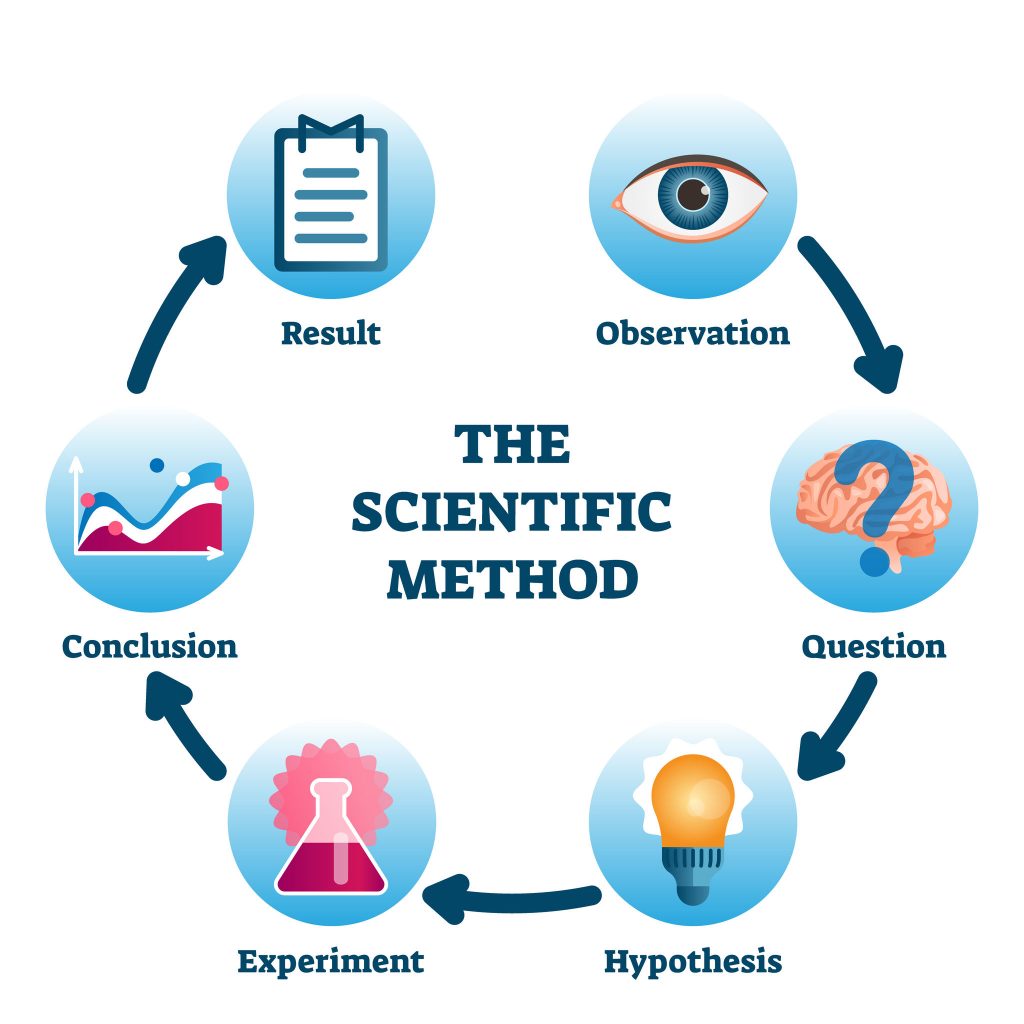
Scientific thinking is a purposeful process of cognition based on the coordination of theory and evidence. It is not just a set of knowledge, but a way of investigating the world, including: formulating hypotheses, planning experiments, systematic observation, data analysis, constructing arguments, and formulating conclusions. A key feature is the constant readiness to revise one’s theories in light of new facts. Scientific thinking requires criticality, objectivity, and an understanding that knowledge is always provisional and can be refined.
12.2 Metacognitive Thinking
Metacognition, or “thinking about thinking,” refers to higher-order cognitive processes that involve knowledge about one’s own cognition and the ability to regulate it. It consists of two components: metacognitive knowledge (what you know about yourself as a thinker, about tasks, and about strategies) and metacognitive regulation (planning, monitoring one’s understanding, and evaluating results). For example, when you realize you didn’t understand a paragraph and decide to re-read it—that’s metacognition at work. Developed metacognitive thinking is key to effective learning and self-regulation.
12.3 Design Thinking
Design thinking is a human-centered, iterative approach to problem-solving and creating innovation. Originally applied in design, it is now used in business, education, and the social sphere. The process is non-linear and typically includes five phases:
- Empathize: Deep immersion in the user’s experience to understand their needs and problems.
- Define: A clear formulation of the core problem based on data from the empathy phase.
- Ideate: Brainstorming to generate a wide range of possible solutions.
- Prototype: Creating quick, low-cost models or prototypes to test ideas.
- Test: Getting feedback from users based on prototypes to further refine the solution.
12.4 Algorithmic Thinking
Algorithmic thinking is the ability to develop a clear, step-by-step sequence of actions (an algorithm) to achieve a specific goal or solve a problem. This includes the ability to break down a complex task into simpler, manageable steps and arrange them in a logical order. This type of thinking is fundamental to programming but is also extremely useful in everyday life for planning, solving mathematical problems, and even following a recipe. It requires precision, consistency, and the ability to anticipate the outcome of each step.
12.5 Computational Thinking
Computational thinking is a broader set of thinking skills for problem-solving, borrowed from computer science but applicable in any field. It includes several key elements:
- Decomposition: Breaking down a complex problem into smaller, simpler parts.
- Pattern Recognition: Finding patterns and similarities in data or between problems.
- Abstraction: Focusing on important details and ignoring irrelevant ones.
- Algorithmic Thinking: Developing a step-by-step solution to the problem.
It is not thinking like a computer, but thinking about how to formulate a problem and its solution so that a computer (or a human) can execute it.
12.6 Abductive Reasoning
Abduction, or “inference to the best explanation,” is a type of logical inference where the most likely conclusion is drawn from a set of observations. Unlike deduction (deriving specifics from general principles) and induction (deriving general principles from specifics), abduction deals with incomplete information and generates hypotheses. A classic example: you see a wet pavement (observation) and conclude that it most likely rained (best explanation). This type of reasoning is constantly used by doctors when making diagnoses, detectives when investigating crimes, and scientists when formulating hypotheses.
12.7 Transdisciplinary Thinking
This is an approach that goes beyond individual disciplines (unlike multidisciplinarity, where they work side by side, or interdisciplinarity, where they interact). Transdisciplinary thinking strives to create a holistic picture and new, integrated knowledge by synthesizing perspectives from different fields of science, art, and the practical experience of non-academic specialists. It is necessary for solving complex global problems (such as climate change) that cannot be understood and solved within the framework of a single discipline.
12.8 Epistemic Cognition
This is “thinking about knowledge.” It refers to a person’s beliefs about the nature of knowledge itself and the process of knowing. Epistemic cognition answers the questions: “What is knowledge?”, “Where does it come from?”, “How certain is it?”. For example, at early stages of development, people may see knowledge as absolute and transmitted by authorities. More mature epistemic cognition recognizes that knowledge is contextual, constructed, and constantly revised based on evidence. These beliefs strongly influence how a person learns and argues their position.
12.9 Causal Reasoning
This is the fundamental cognitive process of determining causes and effects. It allows us to understand why events happen, predict the future, and influence it. We constantly use causal reasoning when we look for the cause of a headache or try to understand why a project failed. Philosopher John Stuart Mill formalized methods for establishing cause-and-effect relationships, such as the method of agreement (if two instances of an event have only one circumstance in common, that circumstance is the cause) and the method of difference (if an event occurs in one case and not in another, and the cases differ only in one circumstance, that circumstance is the cause).
12.10 Counterfactual Thinking
This is thinking about alternative outcomes of past events — thoughts in the spirit of “what if…?”. We generate counterfactuals when we imagine how things could have gone differently (“If only I had left earlier, I wouldn’t have missed the train”). These thoughts can evoke both negative (regret) and positive (relief) emotions. Counterfactual thinking plays an important adaptive role: it helps us learn from mistakes, form intentions for the future, and cope better with similar situations.
12.11 Analogical Reasoning
This is the process of transferring information or meaning from one domain (the source) to another (the target) based on structural similarity. Thinking by analogy allows us to understand new concepts through already familiar ones. For example, explaining the structure of the atom using the analogy of the Solar System. Structure mapping theory asserts that the key to analogy is not the superficial similarity of objects, but the matching of the relations between them. It is a powerful tool for learning, problem-solving, and making scientific discoveries.
12.12 Probabilistic Reasoning
This is a form of reasoning under uncertainty, where we operate not with absolute truth or falsehood, but with degrees of belief or probabilities. The central tool here is Bayes’ theorem, which provides a mathematical way to rationally update our beliefs in light of new evidence. For example, an initial suspicion of a rare disease (low prior probability) can increase significantly after a positive test result. This approach is widely used in AI, medical diagnosis, and cognitive science to model human thinking.
12.13 Constraint-Based Reasoning
This is an approach to problem-solving where the problem is formulated as a set of variables and constraints that these variables must satisfy. Instead of searching for a solution by enumeration, the system uses logical inference to eliminate combinations that violate the constraints, thereby narrowing the search space. This method is effective for solving problems such as scheduling, planning, and solving logic puzzles (e.g., Sudoku).
12.14 Heuristic Thinking
Heuristics are mental “shortcuts” or “rules of thumb” that we use to make quick decisions and solve problems, especially when there is insufficient time or information for a complete analysis. They often work well but can lead to systematic errors (cognitive biases). Mathematician George Pólya described heuristics for solving mathematical problems, including four steps: 1) Understanding the problem; 2) Devising a plan; 3) Carrying out the plan; 4) Looking back (reflection).
12.15 Visual and Spatial Thinking
This is the ability to create and mentally manipulate visual images and spatial relationships. It is not just “seeing in the mind,” but an active process of reasoning using images. It is used when we navigate using a map, assemble furniture from instructions, or imagine how a room will look after rearranging it. Research shows that visualizing the reasoning process (e.g., using diagrams) can significantly improve problem-solving.
12.16 Paradoxical Thinking
This is the cognitive ability to accept and integrate contradictory elements simultaneously, moving from an “either-or” logic to a “both-and” approach. Instead of seeing contradictions as a problem to be eliminated, paradoxical thinking sees them as a source of creativity, adaptability, and resilience. For example, a leader can simultaneously encourage both employee autonomy and teamwork. This ability helps cope with the complexity and ambiguity of the modern world.
12.17 Narrative Thinking
This is a fundamental way of organizing human experience through the structure of stories (narratives). We understand ourselves, others, and events in the world by embedding them into narratives with characters, plot, cause, and effect. Narrative thinking helps us make sense of life, establish causal connections between events, and share experiences with others. It is contrasted with paradigmatic (logical-scientific) thinking, which seeks general laws and categories.
12.18 Fuzzy Logic
This is an extension of classical logic that allows working with partial truth. In classical logic, a statement can only be completely true (1) or completely false (0). In fuzzy logic, the truth value can be any number in the range from 0 to 1. This allows for the mathematical description of vague concepts like “tall,” “warm,” or “close.” Fuzzy logic is widely used in control systems (e.g., in household appliances) where a smooth response to imprecise input data is required.
12.19 Dialectical Behavioral Thinking
This approach, underlying Dialectical Behavior Therapy (DBT), is based on dialectics — the idea of synthesizing opposites. It teaches people to find a balance between accepting themselves and reality as they are and the need for change to improve their lives. Thinking here involves simultaneously holding two seemingly contradictory ideas (e.g., “I accept myself with all my flaws” and “I must work hard to change”). This helps to break out of extreme, black-and-white thinking patterns and develop more flexible and effective ways of responding.
12.20 Cognitive Flexibility
This is the ability to easily switch between different tasks, mindsets, or perspectives. It is a key component of the brain’s executive functions, allowing us to adapt to changing environmental demands. A person with high cognitive flexibility can easily admit that their initial approach to a problem is not working and quickly find an alternative solution. It is closely related to creativity and critical thinking.
12.21 Bayesian Reasoning
(see 12.12 Probabilistic Reasoning). This is a formalized mathematical approach to updating the probability of a hypothesis as new data arrives. It is based on Bayes’ theorem. Reasoning begins with a prior probability (our initial confidence in the hypothesis), which is then adjusted based on the likelihood (how well the data fits the hypothesis), ultimately yielding a posterior probability (our updated confidence). This method is a model of rational learning from experience.
12.22 Constructivist Thinking
This is an approach based on the idea that knowledge is not received ready-made but is actively constructed by the knower. The learner is not a passive vessel for information but an active builder who creates their own understanding by connecting new information with their previous experience and knowledge. This principle, closely associated with the work of Piaget and Vygotsky, underlies many modern educational methodologies that encourage learning through inquiry, problem-solving, and social interaction.
12.23 Second-Order Critical Thinking
If first-order critical thinking is the analysis of others’ arguments, then second-order critical thinking is a meta-level of analysis directed at one’s own thinking. It is a reflective process in which we analyze our own assumptions, values, cognitive biases, and frames that shape our judgments. The goal is to achieve deeper self-awareness and understand why we think the way we do, which allows our thinking to become more objective and impartial.
12.24 Collective Intelligence
This is a form of intelligence that emerges from the collaboration and competition of a large number of individuals. It manifests in the ability of a group to find solutions to problems that surpass the cognitive abilities of any single member of that group. Examples include scientific communities, market economies, open-source projects (like Wikipedia), and even colonies of social insects. The effectiveness of collective intelligence depends on factors such as the diversity of opinions in the group, decentralization, and the presence of mechanisms for aggregating individual knowledge.
12.25 Predictive Coding
This is a modern influential theory in neuroscience that suggests the brain is essentially a prediction machine. According to this theory, the brain constantly generates models (predictions) about the causes of sensory signals. These predictions are sent “top-down” (from higher cortical areas to lower ones). Sensory data coming “bottom-up” is compared with these predictions. The brain focuses not on all incoming information but only on the prediction error — the discrepancy between the expected and the actual. This error is used to update the internal models of the world, which constitutes the essence of perception and learning.
12.26 Embodied Cognition
This theory challenges the traditional view of the mind as an abstract information processor separate from the body. Embodied cognition asserts that our cognitive processes are deeply rooted in bodily and sensorimotor interactions with the world. Thinking does not just happen “in the head”; it is shaped by and depends on our body and its capabilities. For example, our understanding of abstract concepts (like “up” or “heavy”) is based on concrete bodily experience. This approach emphasizes the inseparable integration of body and mind.
12.27 Distributed cognition
This approach extends the boundaries of cognition beyond a single individual. It studies cognitive processes as distributed among several people, as well as external artifacts and tools (such as notebooks, computers, navigation devices). The cognitive system here is not a single brain, but, for example, an airplane crew together with their instruments and maps. It analyzes how information is represented, how it is transformed and transmitted within this extended cognitive system. This approach emphasizes the social and material nature of thinking.
Related Topics
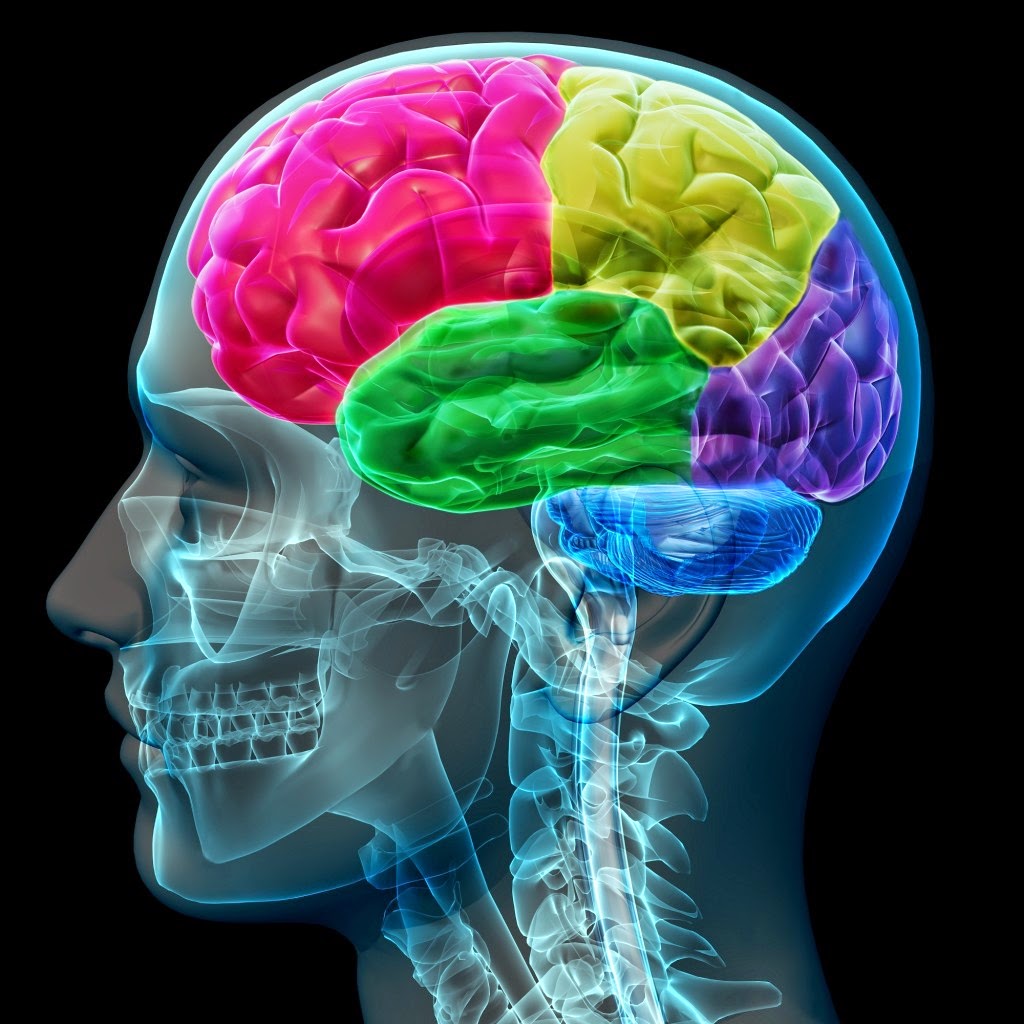
What is the brain and how do you use it?
About the processes that occur in the brain during thinking and learning, how our actions influence its development, how to control it, etc.
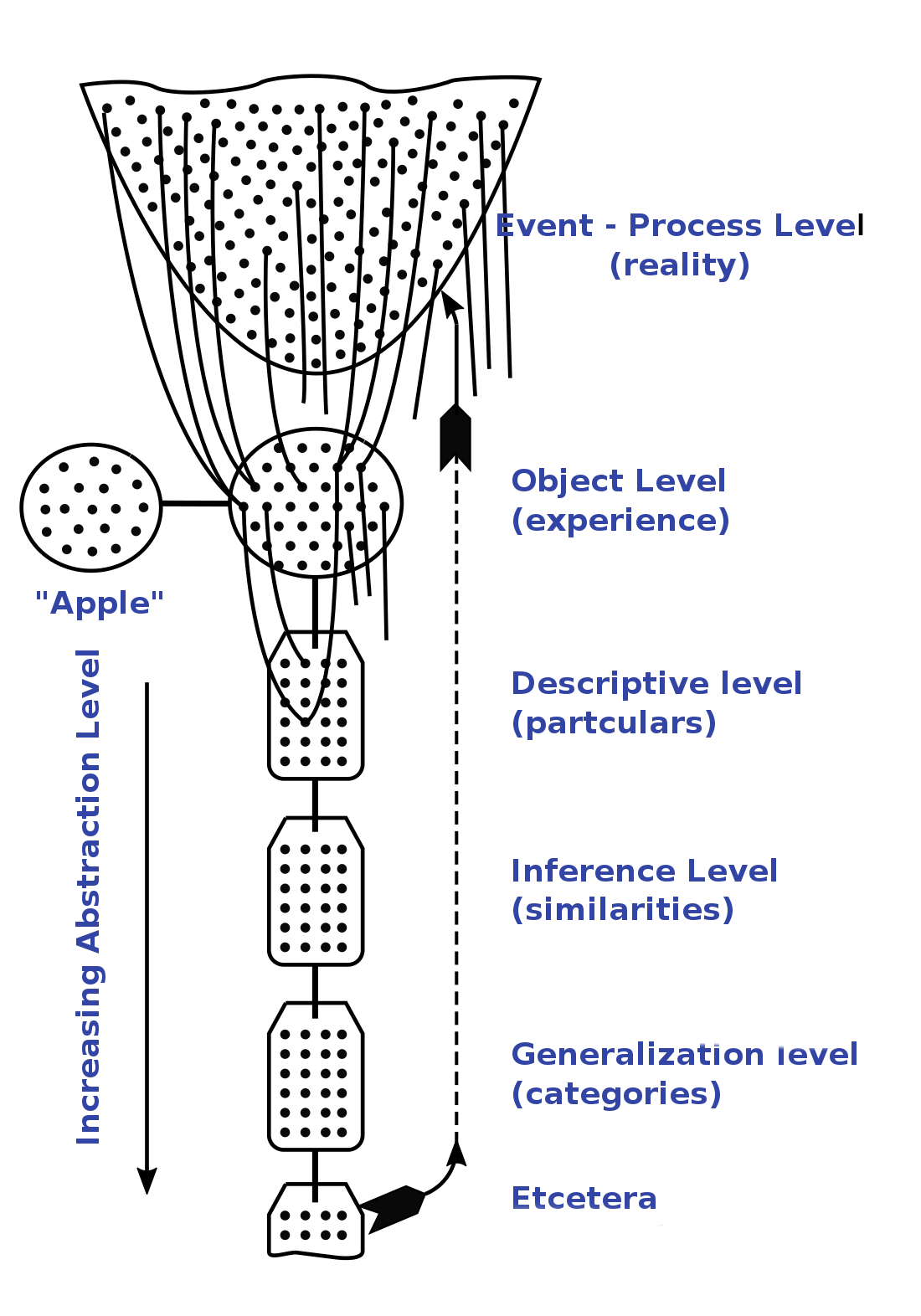
General Semantics
What is general semantics and why is it important for a stable, sane society?

Relativity
On the fundamental aspect of rational thinking, and not just Einstein's theory — relativity.
Science, scientific method, and scientific thinking
This work explores the fundamental foundations of scientific knowledge, analyzing the nature of science, the structure of the scientific method, and the principles of scientific thinking.