Rationality
About stereotypes regarding rational individuals and what rationality truly entails.
Based on articles from lesswrong.com.
What is Rationality?
Introduction: Dispelling Myths
There exists a popular misconception that thinking is divided into “hot, emotional” and “cold, rational.” According to this stereotype, rationality means suppressing emotions and becoming a cold logician in a lab coat. Many people fear “becoming more rational,” afraid of losing their humanity and capacity for love.
However, this representation fundamentally distorts the true meaning of rationality. Rationality is not about becoming cold and unfeeling. Rationality is the art of better thinking, regardless of whether it’s hot or cold, fast or slow.
Definition of Rationality
Rationality encompasses two interconnected aspects:
Epistemic Rationality
Systematic improvement of the accuracy of one’s beliefs.
This is the art of building maps that accurately reflect reality. When you open your eyes and look around a room, you notice a laptop on the table and a bookshelf against the wall. False beliefs are like a map of the world that doesn’t correspond to the territory — if you have an incorrect model of the bookshelf’s location in your head, it will be difficult for you to find the book you need.
Instrumental Rationality
Systematic achievement of desired outcomes.
This is the art of steering reality — the ability to make the future what you want it to be. Instrumental rationality helps you choose actions that will lead to consequences ranking higher on your preference scale.
Rationality is the art of forming true beliefs and making winning decisions.
Principles of Rationality
1. Rationality as a Martial Art for the Mind
Just as martial arts can be studied independently of physical strength, rationality can be mastered with a healthy brain. This is not a matter of innate abilities, but a matter of training the machine that exists in each of our heads.
Our brains are prone to systematic errors — for example, scope neglect or incorrect probability assessment. Rationality is designed to correct such errors or find ways to work around them.
2. Rationality is Not Tied to Verbal Reasoning
The modern concept of rationality is general enough to include:
- Your eyes and visual cortex
- Intuition that’s difficult to express in words
- Any processes that help more accurately map reality or achieve goals
3. Mathematical Foundations
Rationality is based on two golden standards:
- Probability theory — a set of laws underlying rational beliefs
- Decision theory — a set of laws underlying rational actions
Beliefs and actions that are rational in a strictly defined mathematical sense are called Bayesian.
Practical Aspects
Limitations of the Strict Approach
It’s impossible to strictly calculate Bayesian probabilities for most real-world problems. Therefore, rationality for humans is a complete art requiring:
- Studying one’s own shortcomings
- Fighting biases
- Resisting self-deception
- Maintaining good emotional shape
Rationality and Emotions
Rationality does not require sacrificing emotions. Your deepest passions are not a heavy burden, but a guiding compass. Rationality doesn’t change the direction of your movement, but helps increase speed and travel a greater distance toward your goals.
When people say, “I know it’s irrational, but I love my partner,” they are mistaken. Rationality won’t take away your desires, but will help you fulfill them.
Rationality as a Process
Systematic Approach to Truth
A rationalist is not simply a person who respects Truth. Many respect the “truth” about conspiracies, astrology, or climate change denial.
A rationalist is a person who respects the processes of seeking truth. Rationalists demonstrate genuine curiosity and appreciate the beauty of cognitive algorithms that allow us to find truth.
The Principle “Rationalists Should Win”
If an “irrational” agent consistently and predictably outperforms you, it’s time to reconsider your approach to rationality. Don’t comfort yourself with how “wonderfully rational” you were if you keep losing.
Rationality is the spirit of winning, systematized achievement of goals.
When to Use the Concept of “Rationality”
Tabooing the Word “Rational”
Most statements with the word “rational” can be simplified without loss of meaning:
- “It’s rational to believe the sky is blue” → “The sky is blue”
- “Rational nutrition” → “Healthy nutrition”
When the Word is Necessary
The concept of “rationality” is needed for discussing cognitive algorithms that:
- Systematically improve the connection between map and territory (epistemic rationality)
- Systematically provide better paths to goals (instrumental rationality)
Examples of necessary usage:
- “It’s epistemically rational to adhere to hypotheses that allow for better predictions”
- “Clinging to sunk costs is instrumentally irrational”
Rationality as an Art
Scientific Foundation
Modern rationality is based on achievements of recent decades:
- Discoveries in experimental psychology about heuristics and biases
- Bayesian systematization of probability theory
- New knowledge in evolutionary and social psychology
Knowledge Transfer
Unlike martial arts, where a teacher can demonstrate proper technique, in rationality it’s harder to define and transfer skills. However, thanks to science, we can now see the “muscles” of our brains more clearly and create techniques of personal rationality.
Conclusion
Rationality is not about abandoning humanity in favor of cold logic. It’s the art of better thinking that helps:
- Form more accurate beliefs about the world
- More effectively achieve what is truly important to you
- Preserve all the depth of human emotions and values
Rationality doesn’t change your goals — it helps you achieve them. It’s a tool that makes you more effective at what you consider important, whether it’s love, creativity, helping others, or any other values.
In a world where our brains are prone to systematic errors, rationality is a martial art that helps us better understand reality and achieve what we truly want.
Related Topics
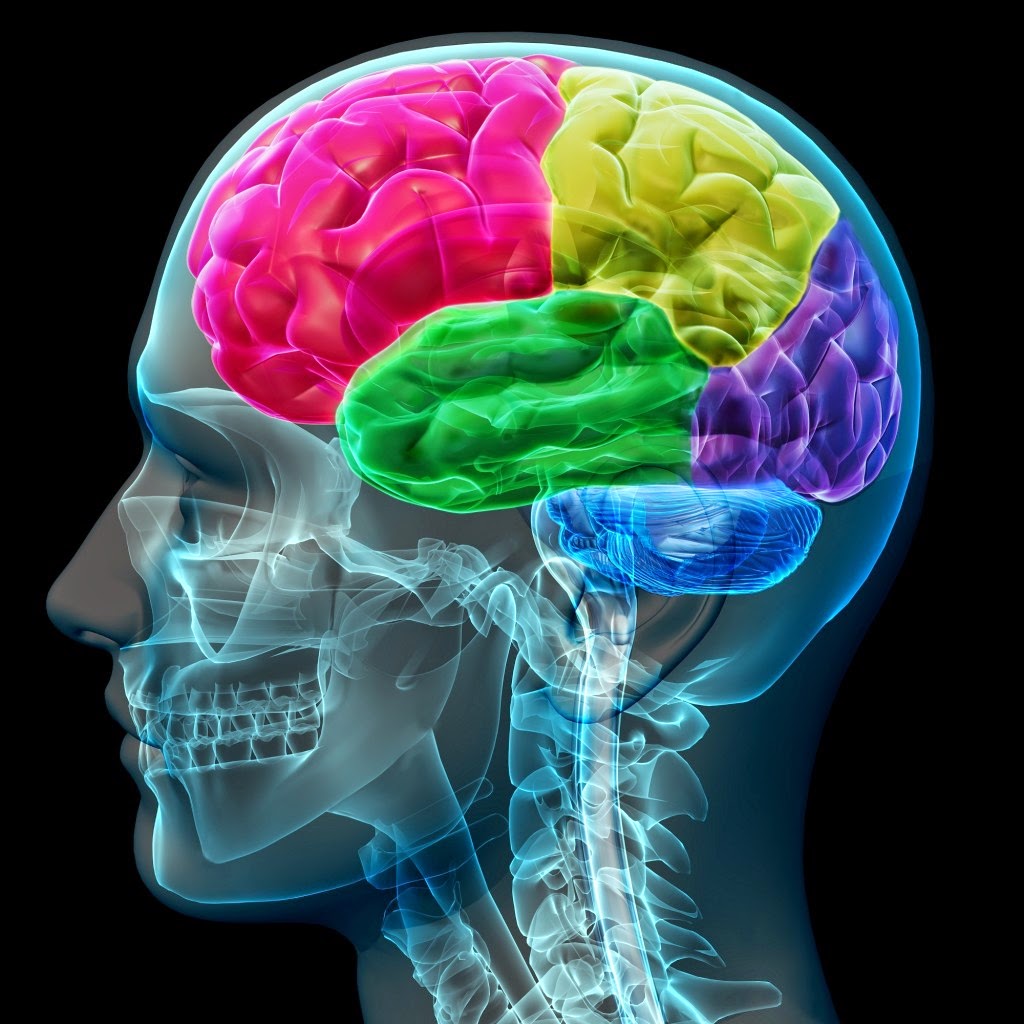
What is the brain and how do you use it?
About the processes that occur in the brain during thinking and learning, how our actions influence its development, how to control it, etc.
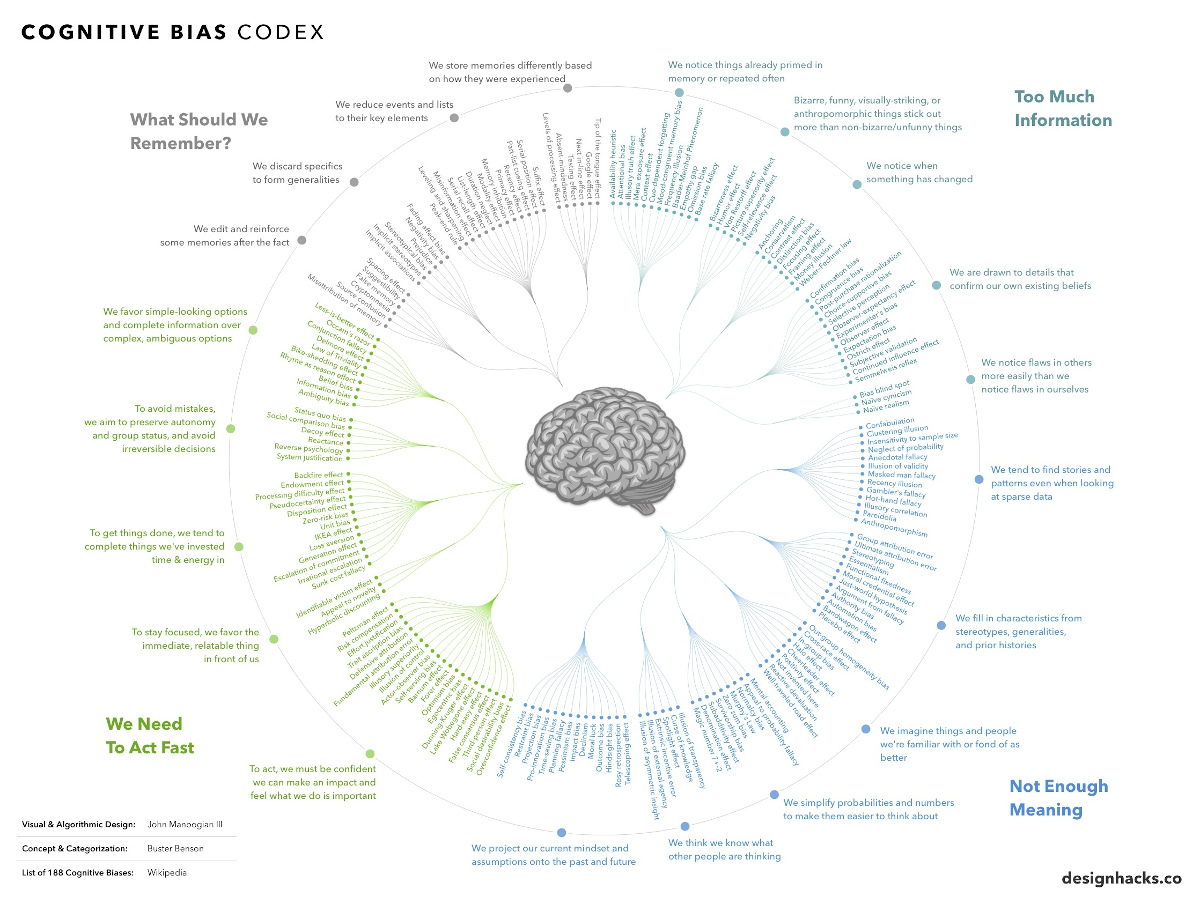
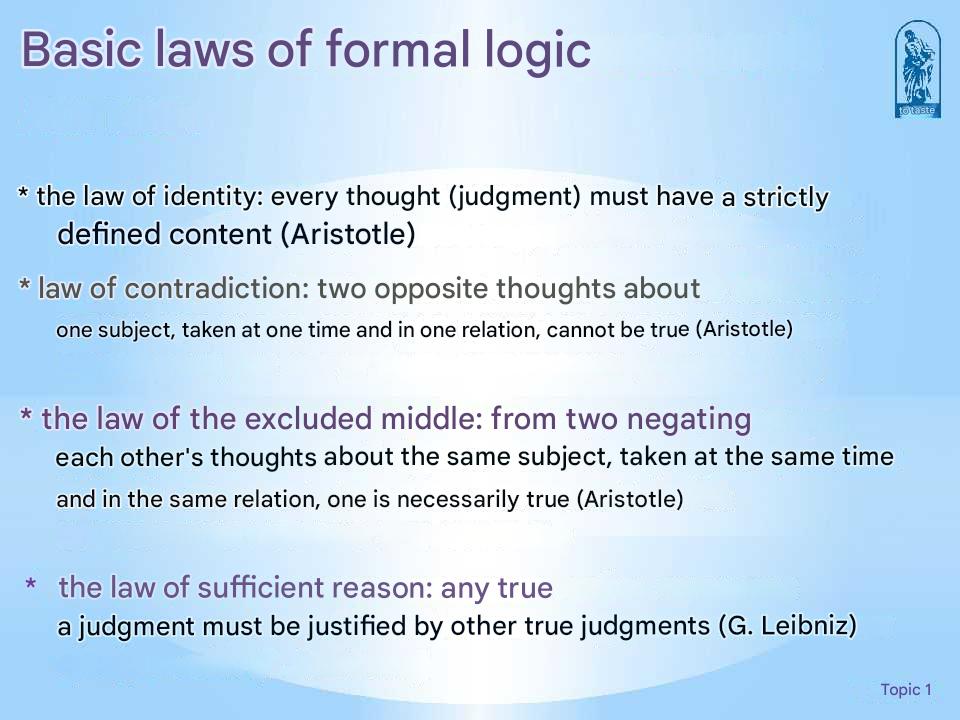
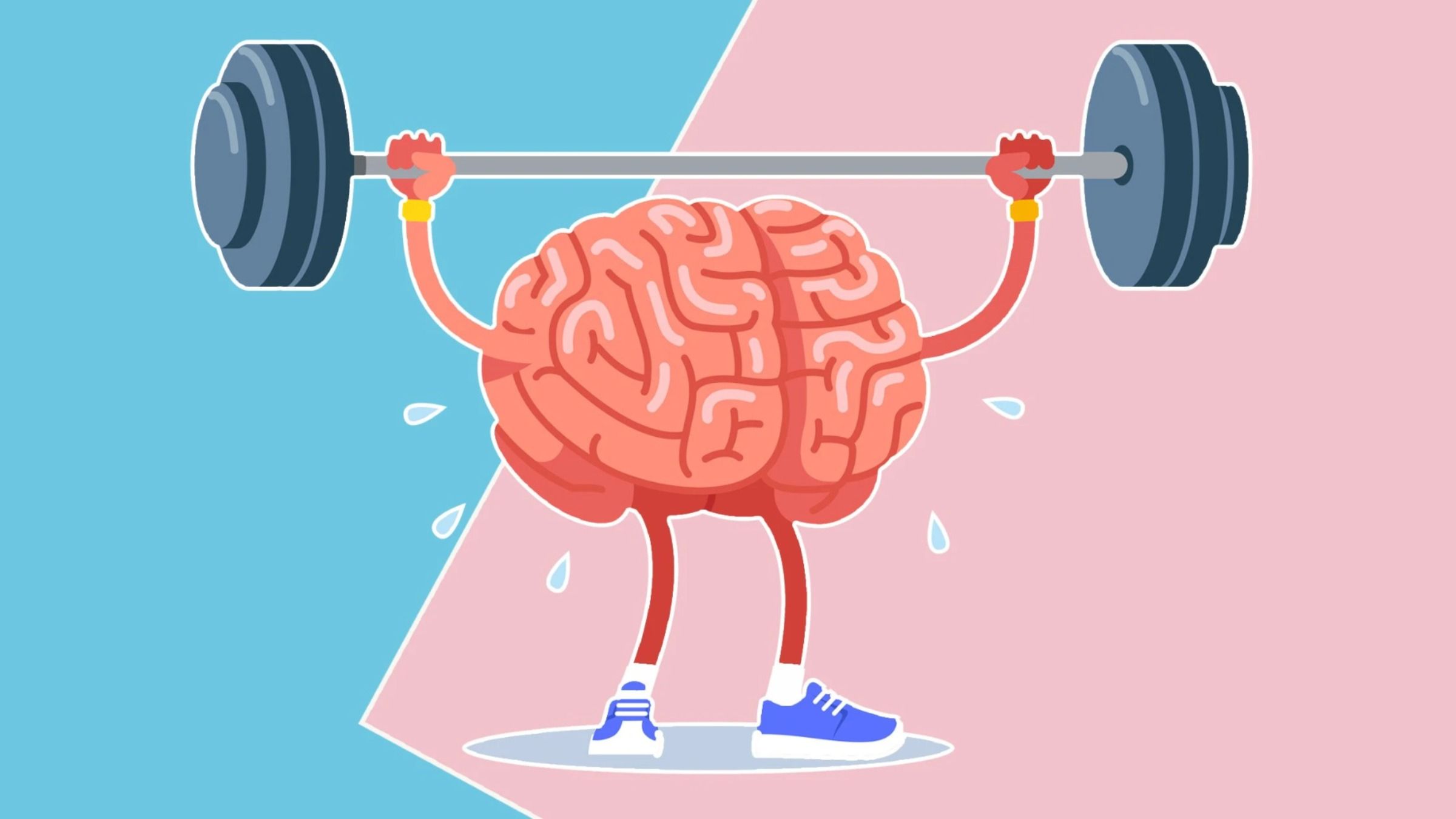
How to take care of your brain health?
A comprehensive guide to maintaining healthy thinking and mental well-being.
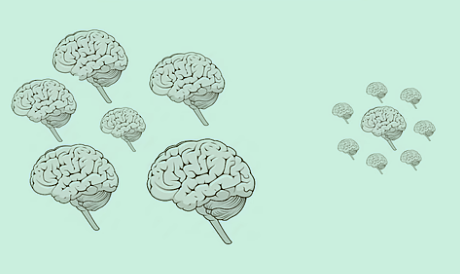
Relativity
On the fundamental aspect of rational thinking, and not just Einstein's theory — relativity.
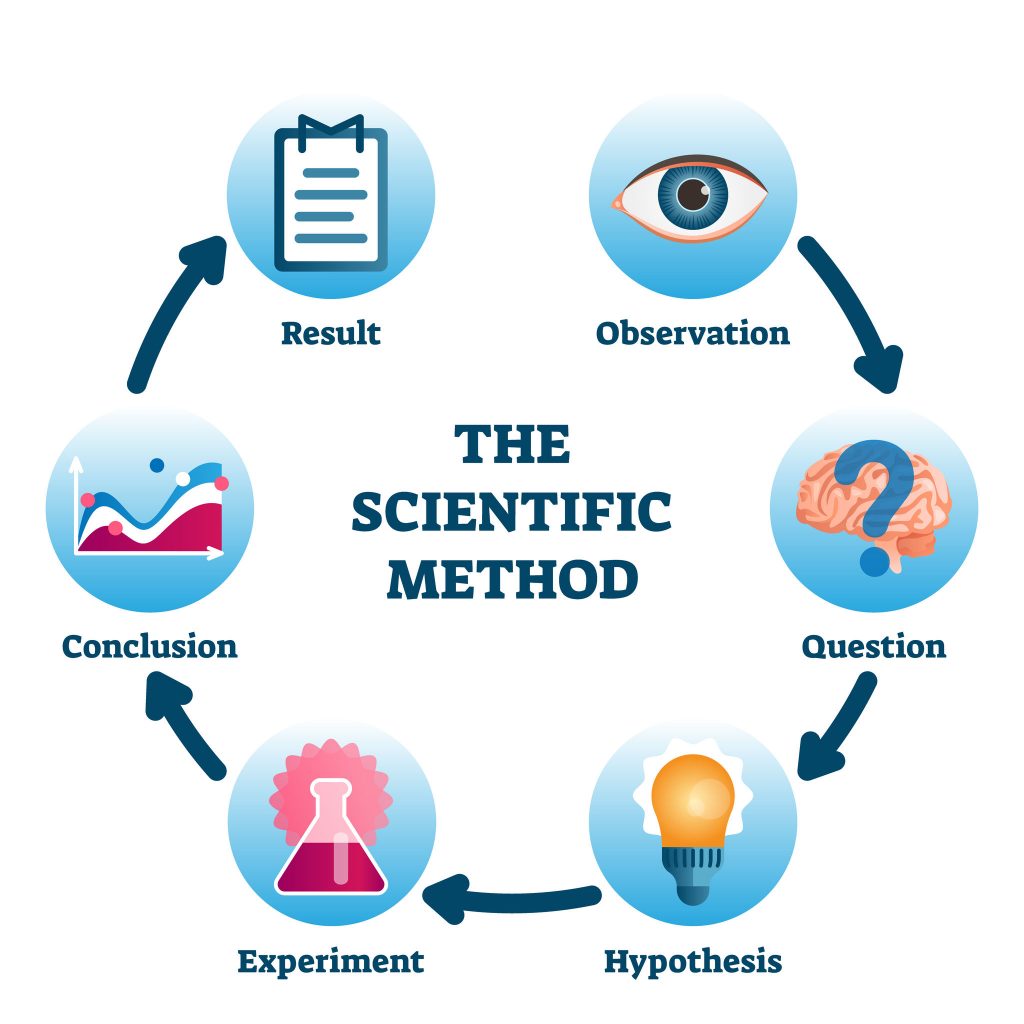
Science, scientific method, and scientific thinking
This work explores the fundamental foundations of scientific knowledge, analyzing the nature of science, the structure of the scientific method, and the principles of scientific thinking.

Why You Shouldn't Be Indifferent to Strangers?
Why indifference to others' thinking destroys civilization: the truth about how your beliefs affect the entire world.