Accuracy of knowledge
Why do we often overestimate the depth of our knowledge and other aspects of our cognitive abilities?
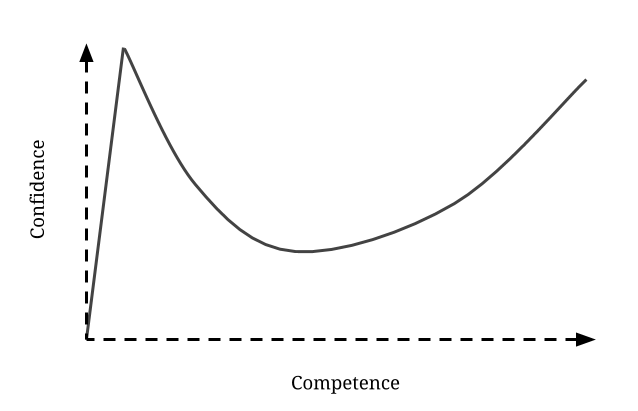
Why We Overestimate Our Own Intelligence: Neurocognitive Mechanisms and Empirical Evidence of Metacognitive Biases
Introduction
Overestimation of one’s own intellectual abilities represents one of the most persistent and universal cognitive biases in humans. This phenomenon, known in scientific literature as “overconfidence bias” or “illusory superiority,” touches upon fundamental aspects of self-knowledge and decision-making. Despite its apparent simplicity, the mechanisms of intelligence overestimation constitute a complex system of interacting metacognitive processes that are shaped by evolutionary, social, and cognitive factors.
Classical Studies of Competence Overestimation
The Dunning-Kruger Effect
The most compelling evidence of systematic intelligence overestimation comes from research by David Dunning and Justin Kruger (1999), which demonstrated the existence of a “double burden” of incompetence. In a series of four experiments, the researchers found that participants with the lowest performance (12th percentile) rated their performance at the 62nd percentile level in logical reasoning, grammar, and social skills tasks.
A critically important aspect of this research is the identification of the overestimation mechanism: people with low abilities not only reach erroneous conclusions but also lack the metacognitive abilities to recognize their own incompetence. This deficit in metacognitive monitoring creates a vicious cycle: lack of knowledge prevents awareness of this lack, which in turn maintains the illusion of competence.
Overclaiming Technique: Operationalizing Self-Enhancement
The overclaiming methodology, developed by Paulhus and colleagues (2003), provides a more subtle tool for measuring knowledge overestimation. The technique is based on presenting participants with lists of terms, 20% of which are non-existent. Research among Czech high school students showed that students, especially those specializing in ICT and males, often claim familiarity not only with real but also with non-existent terms.
The particular value of this methodology lies in its ability to separate real knowledge from the tendency toward self-enhancement. Correction of self-assessments using the overclaiming method showed a correlation with objective indicators of r = 0.53 versus r = 0.37 for simple self-report, demonstrating a significant improvement in measurement accuracy.
Neurocognitive Mechanisms of Overestimation
Metacognitive Deficits and Their Substrates
Modern neurobiological research using fMRI has revealed that metacognitive processes are associated with activity in medial prefrontal, medial parietal, and lateral parietal brain regions. These areas are responsible for monitoring one’s own cognitive processes and assessing confidence in decisions made.
Deficits in the functioning of these areas lead to impaired calibration between subjective confidence and objective accuracy. Meta-analysis of the confidence database, including data from over 8,700 participants and 4 million trials, showed that the correlation between average confidence and average accuracy is only R = 0.22, indicating a weak connection between subjective assessments and actual abilities.
The Illusion of Knowledge in the Digital Age
Research at Yale University (Fisher, Goddu, Keil) revealed a new mechanism of intelligence overestimation related to internet use. A series of nine experiments showed that internet searching creates an “illusion of knowledge,” where people begin to confuse information available online with their own knowledge.
Particularly revealing is an experiment in which a group of participants who used the internet to search for information about “how lightning works” subsequently demonstrated higher assessments of their own knowledge on unrelated topics compared to a control group that received the same information in print form. This effect indicates that information accessibility creates an illusion of its assimilation and integration into one’s own cognitive system.
Retrospective Bias and Overestimation of Memory Accuracy
Mechanisms of Metamemory Distortion
Studies of hindsight bias in the context of metamemory have revealed another important mechanism of intelligence overestimation. Experiment participants, upon receiving information about their actual performance results, systematically overestimated the accuracy of their initial predictions. Knowledge of the outcome led to a shift in memories of their own assessments toward greater accuracy.
Critically important is the discovery of the role of working memory in this process: memory distortions were more pronounced under simultaneous working memory load, and working memory capacity negatively correlated with the magnitude of distortion. This indicates that controlled cognitive processes can counteract automatic distortions in assessing one’s own abilities.
Overestimation Dynamics: The Influence of Experience and Feedback
Paradoxes of Learning and Calibration
Studies of overestimation dynamics have revealed several paradoxical effects. On one hand, accumulating experience without feedback leads to a linear decrease in overestimation, while feedback creates quadratic dynamics. On the other hand, confidence in one’s abilities grows more slowly than actual accuracy, gradually reducing the gap between subjective assessments and objective indicators.
However, high confidence can paradoxically negatively affect subsequent accuracy, creating a complacency effect. Research showed that participants with high initial confidence demonstrated less improvement in subsequent tasks compared to those who were initially less confident in their abilities.
The Influence of Information Volume on Calibration
Three independent studies established an important pattern: when receiving larger volumes of information, participants’ confidence in their judgments increased significantly more than actual accuracy. This effect indicates that people do not account for the limitations of their cognitive resources when processing additional information.
The mechanism of this phenomenon is related to the illusion of understanding: large amounts of information create a subjective sense of deep problem comprehension, while objective analytical and synthesis capabilities remain limited. This is particularly critical in today’s information society, where access to data is often mistaken for knowledge.
Second-Order Confidence: Higher-Level Metacognitive Biases
Nested Cognitive Processes
Studies of second-order confidence have revealed even more complex overestimation patterns. Analysis of student self-assessments showed that the lower the actual academic performance, the higher not only the overestimation of their knowledge but also confidence in the correctness of this overestimation. High-performing students showed the opposite tendency: the more accurate the self-assessment, the lower the confidence in it.
This phenomenon confirms that awareness of one’s own limitations depends on competence level. Highly competent people better understand task complexity and their knowledge limitations, leading to more modest and simultaneously more accurate self-assessments.
Social and Group Factors in Overestimation
Echo Chambers and Social Validation
Research on echo chambers in social networks showed how platforms organized around news feed algorithms contribute to overestimation of one’s own knowledge. Analysis of over 100 million content units on Facebook and Twitter demonstrated that clustering in homophilic user clusters creates an illusion of consensus and validates individual beliefs.
This mechanism is particularly dangerous because it creates a false impression of being informed and correct in one’s views. People begin to perceive echoes of their own opinions as independent confirmation of their correctness, which reinforces overestimation of their own intelligence and competence.
Confirmation Bias and Selective Information Seeking
Modern studies of confirmation bias have shown that people actively seek information that confirms their beliefs and avoid information that refutes them. This selective approach to information creates a distorted picture of reality in which one’s own views seem more substantiated and intellectually superior.
Professional Contexts and Expert Overestimation
Paradoxes of Expertise
An interdisciplinary review of expert overestimation revealed unexpected patterns. For overprecision, experts show overestimation regardless of how expertise is defined. Particularly revealing is a study among bankers and students that found no differences in the degree of overestimation between professionals and novices.
Moreover, research at Rutgers showed that experts are more prone to overestimation after receiving negative feedback: they increased the proportion of overprecise predictions from 16.3% to 27.1%, while novices reduced overestimation from 22.4% to 13.2%. This effect indicates that expertise can create additional cognitive biases related to defending professional identity.
Measurement and Methodological Aspects
Limitations of Traditional Measures
Studies of knowledge monitoring accuracy showed that the traditional gamma (γ) measure explains only 3% of variance in final scores, while the d’ indicator from signal detection theory explains 9% of variance. This demonstrates the importance of distinguishing between what people actually know and what merely seems familiar to them.
Calibration and Its Deficits
Calibration studies show massive poor tuning of subjective assessments: at stated 100% confidence, people are correct only 85% of the time. A perfectly calibrated person at 80% confidence should be correct 80% of the time, but real data shows significant deviations from this ideal.
Neurobiological Correlates and Clinical Observations
Magnetoencephalography of Uncertainty States
Research using magnetoencephalography revealed neurophysiological correlates of knowledge overestimation. During “tip-of-the-tongue” states, sustained decrease in alpha-frequency band activity is observed in the left ventral temporal region, indicating continued semantic search with the illusion of being close to the answer.
Clinical Populations and Metacognitive Deficits
Studies of patients with schizophrenia showed an interesting dissociation: despite episodic memory impairments, patients could accurately predict their subsequent performance in recognition tasks. This indicates that different components of the metacognitive system can function independently.
Technological Factors and Modern Challenges
Digital Transformation of Metacognitive Processes
Modern technologies create new mechanisms of intelligence overestimation. Studies of social media influence on knowledge perception show that exposure to news in social media environments enhances the “illusion of knowledge” — overestimation of perceived knowledge relative to actual knowledge.
Content personalization algorithms create information bubbles where people primarily receive information corresponding to their preexisting beliefs. This reinforces the illusion of being correct and intellectually superior.
Correction Strategies and Debiasing
Metacognitive Interventions
Studies of debiasing techniques show various strategies for reducing overestimation. Metacognitive regulation, defined as the ability to intentionally step back from the immediate decision-making context to reflect on the thinking process, shows promising results.
A large-scale study with six-month follow-up demonstrated the effectiveness and long-term effects of intervention against causal illusions. This is the first study showing the possibility of long-term correction of metacognitive biases at scale.
The Role of Feedback and Reflection
Research shows that simply providing feedback has limited effectiveness. More effective are interventions that develop metacognitive skills and the ability to reflect on one’s own thinking processes.
Conclusion
Overestimation of one’s own intelligence represents a complex multifactorial phenomenon rooted in fundamental features of human cognition. Empirical research of recent decades has provided compelling evidence of the universality of this phenomenon and revealed its main mechanisms: metacognitive deficits, illusions of knowledge, hindsight bias, influence of social factors, and technological mediators.
Understanding these mechanisms is critically important for developing effective strategies for education, professional training, and decision-making. In an era of information abundance and digital technologies, the significance of this problem only increases, as new technologies create additional sources of cognitive biases.
Future research should focus on developing more effective methods for correcting metacognitive biases, studying their neurobiological foundations, and adapting to new technological challenges. Only a deep understanding of the causes of intelligence overestimation can help create more accurate and adaptive systems of self-knowledge and decision-making.
Sources:
- Do I know as much as I think I do? The Dunning-Kruger effect, overclaiming, and the illusion of knowledge (1999)
- The over-claiming technique: Measuring self-enhancement independent of ability (2003)
- Meta-Analysis of Confidence Database (2022)
- The illusion of knowledge: When more information reduces accuracy and increases confidence (2007)
- Investigating Retrospective and Prospective Metamemory Judgments During Episodic Memory in Patients With Obsessive-Compulsive Disorders (2024)
- A study on the sensor calibration method using data-driven prediction in VAV terminal unit (2022)
- Identifying the accuracy of and exaggeration in self-reports of ICT knowledge among different groups of students: The use of the overclaiming technique (2021)
- The echo chamber effect on social media (2021)
- Dynamic overconfidence: a growth curve and cross lagged analysis of accuracy, confidence, overestimation and their relations (2020)
- Overconfidence: Feedback and item difficulty effects (1997)
- Hindsight bias in metamemory: outcome knowledge influences the recollection of judgments of learning (2021)
- Unskilled and unaware of it: how difficulties in recognizing one’s own incompetence lead to inflated self-assessments. (1999)
- Between thought and expression, a magnetoencephalography study of the “tip-of-the-tongue” phenomenon (2014)
- Unskilled and unaware: second-order judgments increase with miscalibration for low performers (2024)
- Effects of Amount of Information on Judgment Accuracy and Confidence (2008)
Related Topics
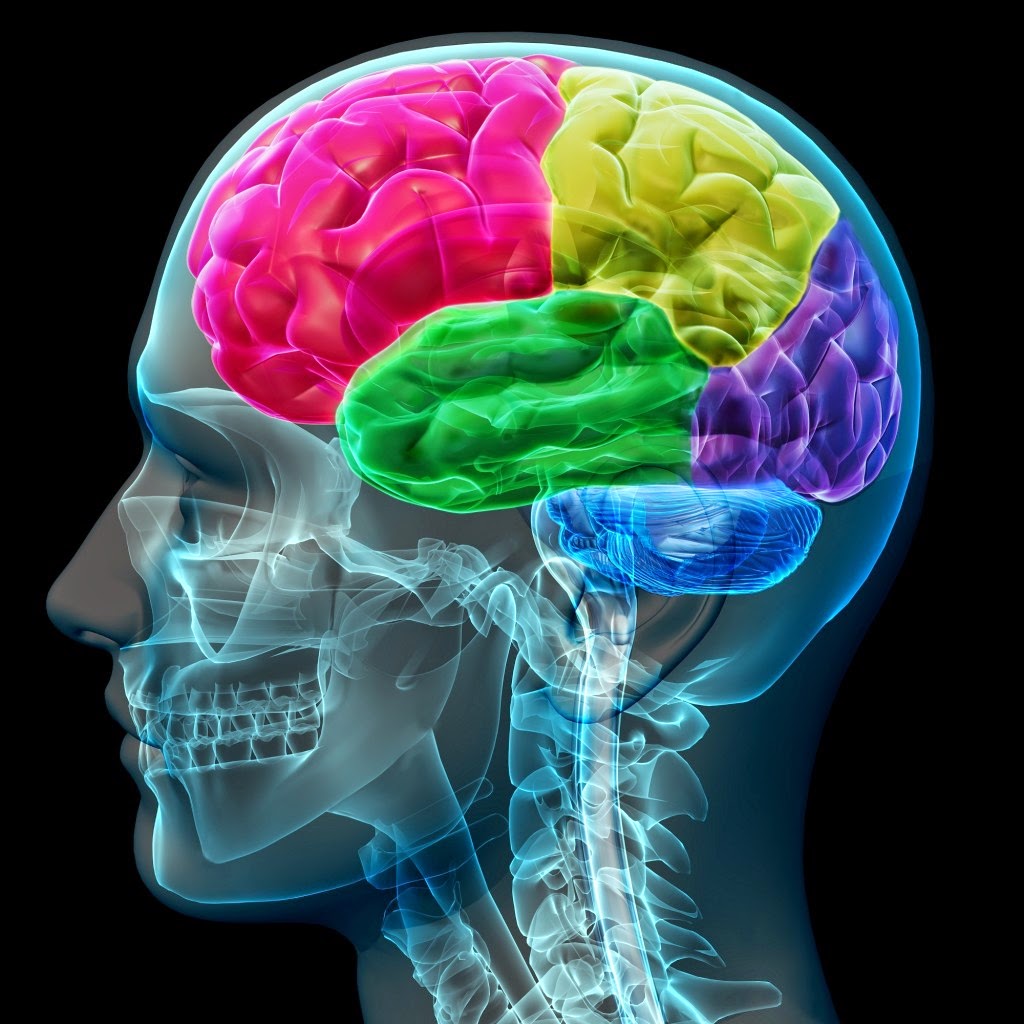
What is the brain and how do you use it?
About the processes that occur in the brain during thinking and learning, how our actions influence its development, how to control it, etc.
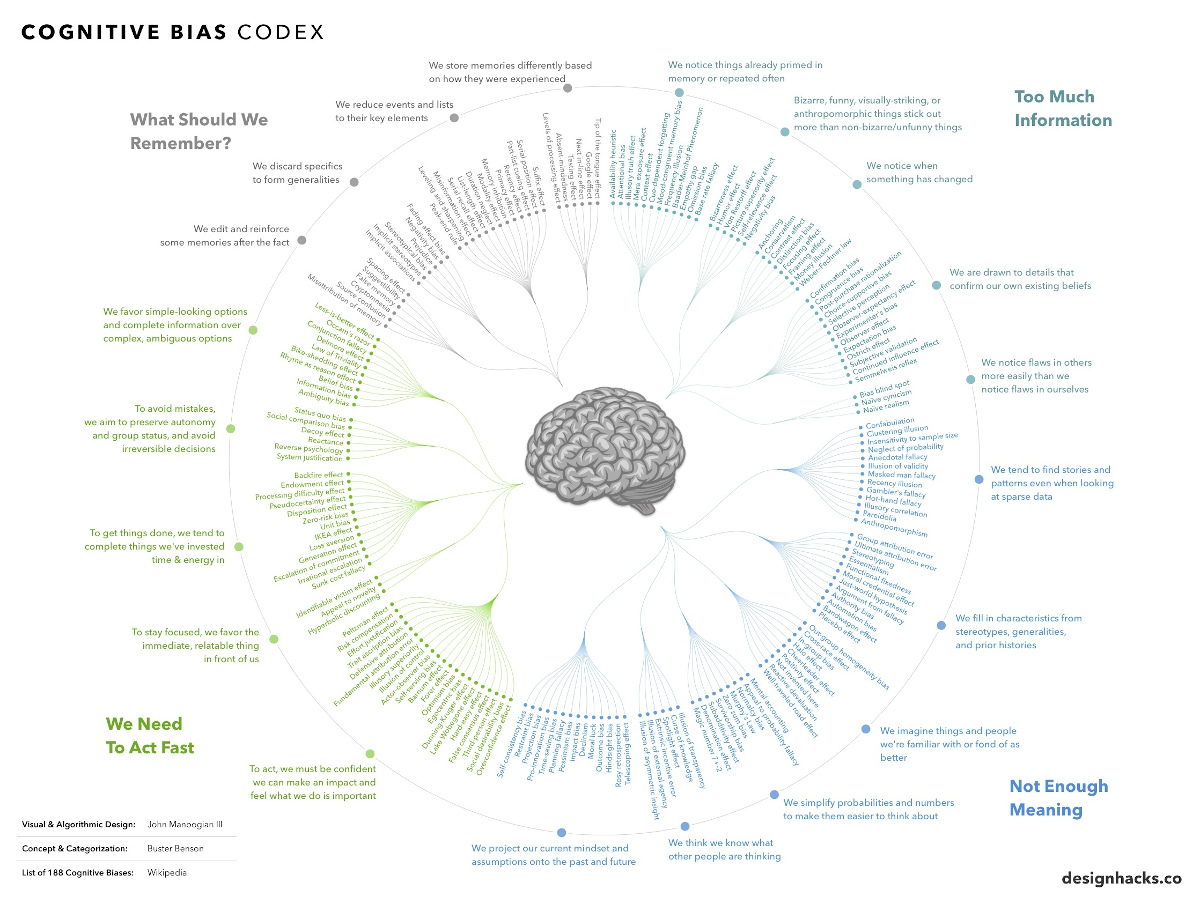
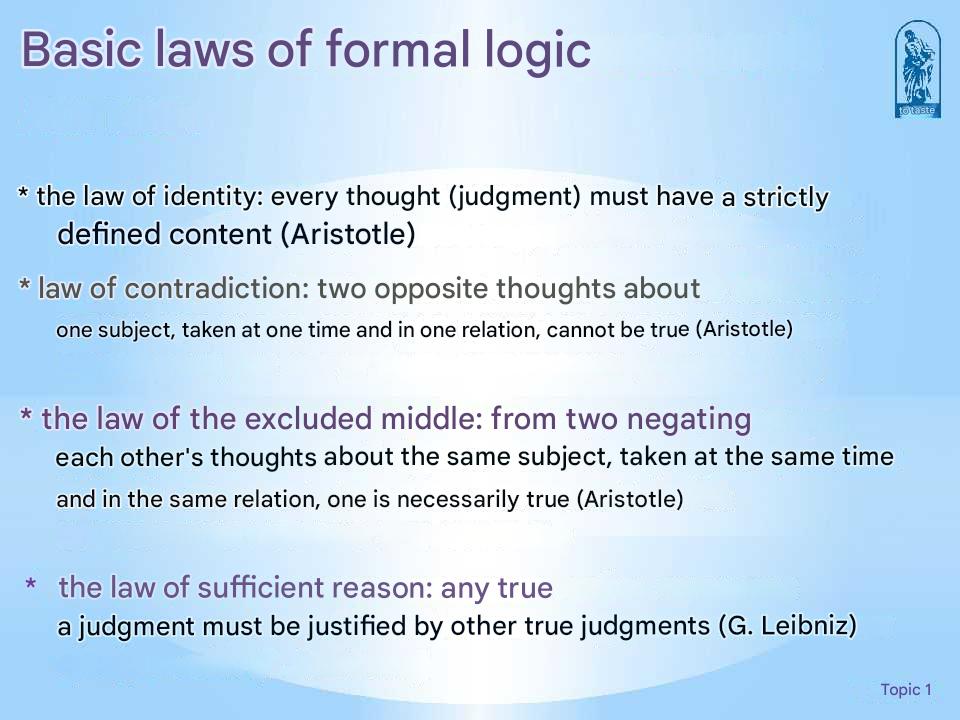
Rationality
About stereotypes regarding rational individuals and what rationality truly entails.