Fallacies
A guide to most common mistakes and tricks in thinking processes.
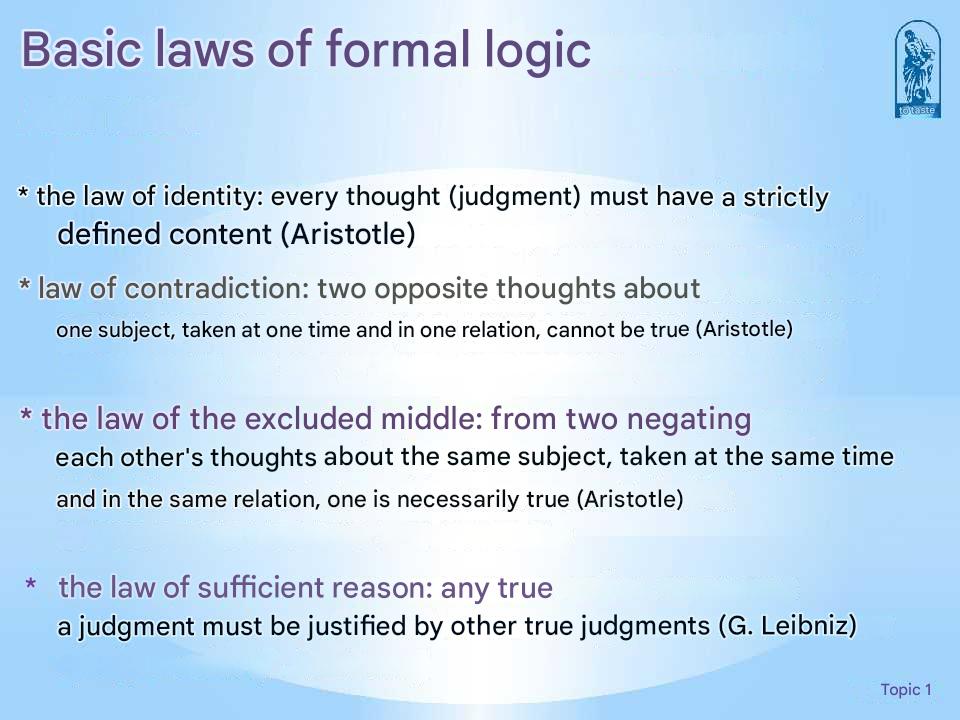
Complete Guide to All Known Logical Fallacies (137 Fallacies)
Based on infographics from obraz.io, supplemented with fallacies from List Of Fallacies and other sources.
Some logical fallacies may overlap in meaning with certain cognitive biases, this is normal.
1. Straw Man
Description: Distorting or oversimplifying an opponent’s arguments to create an easily refutable version. This is one of the most common manipulative techniques in discussions.
Example:
- Original argument: “I believe we need to tighten gun ownership controls”
- Straw man: “My opponent wants to take away all citizens’ weapons and leave them defenseless against criminals”
How to recognize: Watch for phrases like “so you think…”, “by your logic…”, followed by extreme interpretations of your words.
2. Slippery Slope
Description: Claiming that one relatively harmless event will inevitably lead to a chain of catastrophic consequences without providing evidence of such inevitability.
Example: “If we allow students to retake exams, they’ll stop preparing, then stop studying altogether, universities will degrade, and society will collapse from illiteracy”
How to recognize: Look for chains of “if A, then B, then C, eventually catastrophe Z” without proof of inevitability for each step.
3. Special Pleading
Description: Arbitrarily changing standards of proof or rules of argumentation when original criteria don’t support the desired conclusion.
Example: Psychic: “I predicted an earthquake!” Skeptic: “But you said it would be in March in Tokyo, and it happened in May in Chile” Psychic: “Spirits speak symbolically - the essence matters, not the details”
How to recognize: Sudden changes in success criteria after receiving results.
4. Gambler’s Fallacy
Description: Incorrect belief that past results of random events influence future results in independent trials.
Example: “The coin came up heads 5 times in a row, so next time it will definitely be tails!” (Actually, the probability remains 50/50 for each flip)
How to recognize: Attempts to find “patterns” in random events or expecting “compensation” after a series of identical results.
5. Black or White (False Dilemma)
Description: Presenting a complex situation as a choice between only two extreme alternatives, ignoring intermediate options and nuances.
Example: “Either we completely ban cars for ecology or accept the planet’s destruction” (Ignoring electric cars, public transport, environmental standards, etc.)
How to recognize: Formulations like “either A or B”, “only two options”, “whoever is not with us is against us”.
6. False Cause (Post hoc ergo propter hoc)
Description: Erroneous conclusion about cause-and-effect relationships based on simple succession of one event after another or their correlation.
Example: “After a new hospital opened in the city, the death rate increased. Therefore, the hospital harms citizens’ health” (Doesn’t account for hospitals attracting severely ill patients)
How to recognize: Statements like “after A happened B, so A caused B” without analyzing alternative explanations.
7. Ad Hominem
Description: Attacking the personal qualities, character, or circumstances of an opponent instead of addressing their arguments on merit.
Example: “Your economic proposals are meaningless because you’re divorced and abuse alcohol”
How to recognize: Any mentions of personal life, appearance, or past mistakes of an opponent as “arguments” against their position.
8. Appeal to the Masses (Argumentum ad populum)
Description: Claiming something is true based on the fact that the majority of people believe it.
Example: “70% of people believe in omens, so they really work”
How to recognize: References to popularity, majority, “everyone knows that…”, “it’s common knowledge that…” as sole justification.
9. Appeal to Emotion
Description: Replacing logical arguments with emotional manipulation: fear, pity, anger, pride, to incline toward agreement.
Example: “If you don’t support this law, children will suffer, families will be destroyed, and elderly people will die alone” (without explaining how exactly the law will help)
How to recognize: Vivid emotional imagery, appeals to compassion or fear without concrete factual justifications.
10. Tu Quoque (And You Too)
Description: Responding to criticism with a counter-accusation without refuting the original criticism.
Example: A: “You were speeding” B: “And you turned without a signal yesterday!”
How to recognize: Phrases like “and you yourself…”, “look at yourself”, “look who’s talking” instead of addressing the substance.
11. Argument from Incredulity
Description: Rejecting information simply because it seems too complex or incredible to understand.
Example: “I don’t believe in quantum physics - it’s too strange that a particle can be in two places simultaneously”
How to recognize: “That can’t be”, “too complicated”, “sounds implausible” as the only arguments against scientific facts.
12. Equivocation
Description: Using words or phrases with double meanings to create false impressions or avoid responsibility.
Example: Politician: “I’m for family values” (without specifying which values exactly and what this means practically)
How to recognize: Vague formulations, ambiguous terms without context clarification.
13. Fallacy Fallacy
Description: Rejecting an entire statement because of an error in one part or in the method of argumentation.
Example: “The speaker mispronounced a city name, so his entire climate presentation is unreliable”
How to recognize: Discrediting the entire message due to minor inaccuracies or errors in argumentation.
14. Genetic Fallacy
Description: Evaluating an idea or statement exclusively based on its origin, not its content.
Example: “This theory is wrong because its author was a racist” (regardless of the theory’s scientific validity)
How to recognize: Discrediting ideas by criticizing their source without examining the ideas themselves.
15. Guilt by Association
Description: Attributing negative qualities to a person solely because of their connection to other people or groups.
Example: “You can’t trust his opinion on economics - he studied at the same university as the corrupt Ivanov”
How to recognize: Condemnation based on “standing close”, “associated with”, “member of the same organization”.
16. Composition/Division (Part-Whole Fallacy)
Description: Improperly attributing properties of parts to the whole or vice versa.
Example:
- Composition: “Each player on the team is a star, so the team is unbeatable”
- Division: “The team won the championship, so each player is a world champion”
How to recognize: Automatic transfer of qualities between part and whole without considering their interaction.
17. Appeal to Force
Description: Coercing acceptance of a position through threats of negative consequences instead of logical arguments.
Example: “If you don’t agree with our proposal, you might lose your job”
How to recognize: Direct or veiled threats as arguments in discussion.
18. No True Scotsman
Description: Defending a generalization by arbitrarily excluding counterexamples through redefinition of criteria.
Example: A: “All vegans care about animals” B: “But John is vegan and buys leather shoes” A: “Then he’s not a true vegan”
How to recognize: Phrases like “true X never…”, changing definitions when counterexamples appear.
19. Loaded Question
Description: A question containing a false or unproven assumption that cannot be answered without accepting that assumption.
Example: “When did you stop beating your wife?” (assumes the person once beat his wife)
How to recognize: Questions with built-in accusations or assumptions.
20. Burden of Proof
Description: Shifting the obligation to prove a statement to the opponent instead of proving it oneself.
Example: “Prove that God doesn’t exist!” (instead of proving God’s existence)
How to recognize: Demanding disproof of unsubstantiated claims.
21. Circular Reasoning
Description: Using the conclusion as one of the premises to prove that same conclusion.
Example: “The Bible is true because it says it’s the word of God, and God’s word cannot be false”
How to recognize: Arguments that rely on what they’re trying to prove.
22. Appeal to Nature
Description: Claiming that everything “natural” is automatically good, while “artificial” is bad.
Example: “These vitamins are better because they’re natural” (ignoring that cyanide is also natural)
How to recognize: Contrasting “natural” and “chemical” without considering specific properties.
23. Anecdotal Evidence
Description: Using individual examples or personal experience as proof of general patterns.
Example: “Global warming doesn’t exist - it was -40°F here in winter”
How to recognize: “I had a case…”, “I know someone who…” instead of statistical data.
24. Texas Sharpshooter Fallacy
Description: Selecting data that confirms a hypothesis while ignoring contradicting facts.
Example: “Look, all these successful people wake up early - so early rising leads to success” (ignoring successful “night owls” and unsuccessful “early birds”)
How to recognize: Selective presentation of facts, ignoring inconvenient data.
25. Middle Ground
Description: Automatic assumption that truth always lies in the middle between two opposing positions.
Example: “Some say Earth is round, others say it’s flat. The truth is somewhere in the middle - it’s oval”
How to recognize: Compromises where one option is objectively better.
26. Contradiction
Description: Simultaneously defending mutually exclusive statements.
Example: “I’m for free speech, but people who disagree with me should be silent”
How to recognize: Statements that logically cannot be true simultaneously.
27. Appeal to Tradition
Description: Justifying something’s correctness solely because “it’s always been done this way”.
Example: “Women shouldn’t work - historically they’ve always been housewives”
How to recognize: “Traditionally…”, “since time immemorial…”, “our ancestors…” as the only argument.
28. Multiplication of Entities (Occam’s Razor Reversed)
Description: Introducing unnecessary, unproven assumptions to explain a phenomenon.
Example: “My phone died because of negative energy from my neighbor, which he sends through the wall using astral projection”
How to recognize: Complex explanations of simple phenomena involving unproven factors.
29. Two Wrongs Make a Right
Description: Justifying a wrong action by pointing out that others do worse.
Example: “I only stole an apple, while Vasya stole a bicycle - so I’m almost honest”
How to recognize: Comparing with worse examples to justify one’s own misconduct.
30. Association Fallacy
Description: Attributing properties of one object to another based on superficial similarity.
Example: “Sharks and dolphins look similar, so dolphins are also dangerous to humans”
How to recognize: Conclusions about properties based on external similarity without analyzing essence.
31. Argument from Social Failure
Description: Attacking an opponent for lacking social status they “should” have to have the right to express opinions.
Example: “Why should I listen to your business advice? You’re just a regular manager, not a company owner”
How to recognize: Discrediting opinions through pointing out social position, income, or job title instead of analyzing the arguments themselves.
32. Argument from Confidence
Description: Being convinced of the truth of a statement exclusively based on the confidence and persistence of its presentation.
Example: A salesperson very confidently and loudly declares: “This is the best product in the world, trust me!” (without providing facts about quality)
How to recognize: Excessive emotionality, repetition of one statement, absence of evidence with high degree of confidence.
33. Anonymous Authority
Description: Referring to unnamed “experts”, “scientists” or “specialists” to give authority to a statement.
Example: “Leading doctors recommend this supplement”, “Studies have shown…”, “Experts claim…” (without naming specific names and studies)
How to recognize: Vague references to authority without ability to verify the source.
34. Wishful Thinking
Description: Accepting something as truth only because it’s very much desired or would be pleasant.
Example: “My favorite candidate will definitely win the election - he’s such a good person” (ignoring polls and political situation)
How to recognize: Optimistic predictions without factual basis, ignoring unpleasant facts.
35. Galileo Gambit
Description: Claiming an idea is correct precisely because it’s rejected by the majority, by analogy with historical examples of persecuted geniuses.
Example: “Everyone laughs at my flat Earth theory, but they laughed at Galileo too!”
How to recognize: Comparing oneself to historical figures rejected by contemporaries as proof of being right.
36. One Single Proof
Description: Rejecting all circumstantial evidence in favor of demanding one “irrefutable” proof.
Example: “Show me one single experiment that 100% proves evolution” (ignoring the totality of paleontological, genetic and other data)
How to recognize: Demanding “final” proof while ignoring multiple indirect evidences.
37. Hasty Generalization
Description: Formulating broad conclusions based on limited observations or single cases.
Example: “I met three rude residents of this city - they’re all ill-mannered” or “This medicine didn’t help my friend, so it’s useless”
How to recognize: Universal statements (“all”, “nobody”, “always”) based on small samples.
38. Poisoning the Well
Description: Discrediting an argument by negatively characterizing its source, often using irrelevant information.
Example: “Don’t listen to this climatologist - he received grants from the government” or “The author of this article is divorced, how can he write about family values?”
How to recognize: Focus on the origin or circumstances of the source instead of analyzing the arguments themselves.
39. Post Hoc Ergo Propter Hoc
Description: Automatically assuming cause-and-effect relationships between two events based solely on their temporal sequence.
Example: “After installing 5G towers in the area, headache cases increased - so 5G harms health” (not considering other factors)
How to recognize: Conclusions about causality exclusively based on sequence of events.
40. Enemy of My Enemy
Description: Supporting a position or person solely because they oppose those you dislike.
Example: “If liberals are against this politician, then he must be good” (regardless of his actual qualities and program)
How to recognize: Evaluation through opposition rather than through the object’s own qualities.
41. Appeal to Force
Description: Replacing logical arguments with threats of physical violence or coercion.
Example: “If you argue with me, you’ll get punched” or “Better agree, or it’ll be worse”
How to recognize: Direct or veiled threats as a means of “persuasion”.
42. Style Over Substance
Description: Evaluating an argument by its external presentation, style of presentation or speaker’s charisma, rather than logical validity.
Example: “This candidate speaks very beautifully and confidently, so he must be right” or rejecting a scientific paper for “boring” presentation
How to recognize: Focus on style, appearance, manner of speech instead of content analysis.
43. Moving the Goalposts
Description: Arbitrarily changing criteria for success or proof after the original requirements have been met.
Example: “Prove the vaccine’s effectiveness!” → After providing data: “These are short-term studies!” → After long-term ones: “But side effects!” etc.
How to recognize: Constantly raising new requirements after fulfilling previous ones.
44. Ridicule or Appeal to Ridicule
Description: Rejecting an argument through mockery, sarcasm or direct insults to intelligence without substantive refutation.
Example: “What nonsense!”, “Only an idiot could think that”, “That’s ridiculous!” (without explaining what exactly is wrong)
How to recognize: Emotional reactions, mockery, insults instead of logical counter-arguments.
45. Argument from Ignorance (God of the Gaps)
Description: Claiming something is true based on the absence of evidence to the contrary or using gaps in knowledge as “proof”.
Example: “Nobody can explain how life originated - so God created it” or “UFOs exist because nobody proved otherwise”
How to recognize: Using the unknown as proof of a specific theory.
46. Appeal to Consequences
Description: Evaluating the truth of a statement based on the desirability or undesirability of its consequences.
Example: “Evolution can’t be true because then life would lose meaning” or “Climate change must be false, otherwise the economy is doomed”
How to recognize: Rejecting facts due to their unpleasant implications.
47. Argument from Urgency
Description: Making decisions or formulating conclusions when lacking time for full analysis.
Example: “We need to urgently pass this law, there’s no time for discussion!” or hasty conclusions about accident causes before investigation completion
How to recognize: Pressure from time constraints, demanding immediate decisions.
48. Observer Bias
Description: Distorting conclusions due to subjective perception or incomplete observed data.
Example: “There’s a lot of crime in our neighborhood” (based only on crime reports in news, not knowing overall statistics)
How to recognize: Conclusions based on limited observation samples or subjective perception.
49. Reductio ad Absurdum (Incorrect)
Description: Taking an opponent’s argument to absurdity through distortion or excessive expansion of its logic.
Example: “You want social support for unemployed? Then let’s not make anyone work at all and pay everyone for idleness!”
How to recognize: Extreme development of argument logic to ridiculous conclusions.
Structural Argument Fallacies:
50. Moving the Target
Description: Imperceptibly changing the subject of discussion and proving something other than what was originally required.
Example: Discussion about whether masks are effective against viruses gradually turns into an argument about human rights and government control.
How to recognize: Gradual departure from the original topic without explicit announcement of subject change.
51. Equivocation (Word Play)
Description: Using the ambiguity of words to create a false impression of logical argument validity.
Example: “Everyone has the right to property. Thoughts are my property. Therefore, nobody can criticize my thoughts”
How to recognize: Using one word in different meanings within one argument.
52. Composition
Description: Attributing properties of parts to the whole without considering their interaction.
Example: “Every musician in the orchestra is a virtuoso, so the orchestra plays perfectly” (not considering the importance of coordination)
How to recognize: Automatic transfer of individual qualities to the group.
53. Division
Description: Attributing properties of the whole to its parts.
Example: “This corporation is very profitable, so every department brings big profits”
How to recognize: Assuming that group properties necessarily belong to each of its elements.
54. False Analogy
Description: Comparing substantially different phenomena as if they have significant common characteristics.
Example: “Internet regulation is like censorship in totalitarian states” (ignoring differences in goals and methods)
How to recognize: Superficial similarities used for far-reaching conclusions.
Probability and Statistics Fallacies:
55. Base Rate Neglect
Description: Ignoring general statistics when evaluating a specific case.
Example: A test for a rare disease shows positive results, but with overall disease frequency of 0.1%, most positive results are false
How to recognize: Focus on specific cases without considering general patterns.
56. Survivorship Bias
Description: Analyzing only successful examples while ignoring failures.
Example: “Look at all these successful entrepreneurs who dropped out of university - education isn’t needed!” (not considering thousands of failures)
How to recognize: Statistics based only on “success stories”.
57. Regression to the Mean
Description: Misunderstanding the natural tendency of extreme values to return to average indicators.
Example: “After a bad match the coach yelled at the team, and in the next match they played better - yelling helps!” (not considering natural fluctuations)
How to recognize: Attributing changes to external factors when the cause might be natural variation.
58. Clustering Illusion
Description: Perceiving patterns in random events.
Example: “There are too many cancer cases in this area - something’s wrong with the ecology here” (possibly just statistical fluctuation)
How to recognize: Looking for causes of random event clusters.
59. Conjunction Fallacy
Description: Evaluating the probability of combined events as higher than the probability of a single event.
Example: Considering that a person is more likely “librarian and poet” than just “librarian” if they fit the stereotype of a creative personality
How to recognize: Detailed scenarios seem more probable than general ones.
Temporal and Causal Fallacies:
60. Single Cause Fallacy
Description: Attributing a complex phenomenon to a single cause.
Example: “Crime is rising because of video games” (ignoring socio-economic factors, education, family environment, etc.)
How to recognize: Simplifying multifactor phenomena to one cause.
61. Reverse Causation
Description: Confusing cause and effect.
Example: “Sick people often go to doctors - doctors cause illness”
How to recognize: Incorrect determination of cause-and-effect relationship direction.
62. Common Cause
Description: Ignoring a third factor that influences both observed phenomena.
Example: “Ice cream consumption correlates with drownings - ice cream is dangerous!” (common cause - hot weather)
How to recognize: Looking for direct connections between correlating phenomena without considering common factors.
63. Historical Fallacy
Description: Evaluating historical events and personalities exclusively from the perspective of modern values and knowledge.
Example: “Columbus was a bad person because he didn’t know about indigenous peoples’ rights” (applying modern standards to the 15th century)
How to recognize: Anachronistic judgments about the past.
Definition and Category Fallacies:
64. Equivocation
Description: Using one word in different meanings within one argument to create a false conclusion.
Example: “Natural laws are unchanging. Human laws are also laws. Therefore, human laws are unchanging”
How to recognize: Playing on the ambiguity of key terms.
65. Amphiboly
Description: Using grammatical construction ambiguity for deception.
Example: “For sale: wool suits for men” (unclear if suits are wool or men are)
How to recognize: Ambiguous formulations allowing different interpretations.
66. Accent
Description: Changing the meaning of a statement through incorrect word emphasis or taking out of context.
Example: From the phrase “This drug may help some patients” making the headline “Drug CAN HELP patients”
How to recognize: Manipulations with intonation, font, or context.
67. Vague Definition
Description: Using vague or intentionally undefined terms to avoid criticism.
Example: “Our policy promotes welfare growth” (without specifying what exactly is meant by welfare)
How to recognize: Key terms remain undefined.
Emotional and Psychological Manipulations:
68. Appeal to Pity
Description: Trying to incline toward agreement by arousing sympathy instead of logical arguments.
Example: “You can’t fire me - I have three children and a sick mother!” (regardless of work qualities)
How to recognize: Focus on personal circumstances instead of the matter at hand.
69. Appeal to Pride
Description: Inclining toward a certain position by affecting self-esteem and vanity.
Example: “Such a smart person as you surely understands the importance of our proposal”
How to recognize: Flattery and compliments as arguments.
70. Appeal to Fear
Description: Coercing agreement through intimidation with negative consequences.
Example: “If you don’t buy our alarm system, your house will definitely be robbed!”
How to recognize: Exaggerating risks and dangers as the main argument.
71. Appeal to Flattery
Description: Using compliments and flattery to obtain agreement.
Example: “A person with your refined taste will surely appreciate this exclusive product”
How to recognize: Excessive compliments in the context of persuasion.
72. Emotional Contagion
Description: Transmitting emotional states without logical basis for decision-making.
Example: Stock market panic spreading without real economic grounds
How to recognize: Mass emotional reactions without rational analysis.
Group Dynamics Fallacies:
73. Groupthink
Description: Making suboptimal decisions due to striving for group unanimity and avoiding conflicts.
Example: A team unanimously makes a bad decision because nobody wants to oppose the group
How to recognize: Suppressing dissenting opinions for “harmony”.
74. Bandwagon Effect
Description: Accepting an opinion as true due to its mass support.
Example: “A million people can’t be wrong - this conspiracy theory must be true!”
How to recognize: Number of supporters as the main argument.
75. In-group Bias
Description: Unjustified preference for members of one’s own group and their opinions.
Example: Fans believe their team always plays fairly, while opponents play unfairly
How to recognize: Double standards in evaluating “ours” and “theirs”.
76. Group Polarization
Description: Strengthening extreme views as a result of group discussion.
Example: A moderately skeptical group turns into convinced conspiracy theorists after discussion
How to recognize: Radicalization of positions during group communication.
Authority and Expertise Fallacies:
77. False Authority
Description: Referring to authority in an area where they are not an expert.
Example: “A famous actor recommends this vaccine” (actor is not a medical expert)
How to recognize: Mismatch between area of expertise and topic of statement.
78. Appeal to Age/Youth
Description: Evaluating the truth of statements exclusively based on the age of their source.
Example: “Don’t listen to this young doctor - what can he know?” or “Old doctors don’t understand modern medicine”
How to recognize: Age as the sole criterion for evaluating competence.
79. Appeal to Popularity
Description: Accepting something as truth exclusively due to its popularity.
Example: “This blogger can’t be wrong - he has a million subscribers!”
How to recognize: Popularity instead of factual evidence.
80. Appeal to Novelty
Description: Automatic preference for new over old without analyzing specific advantages.
Example: “This theory is newer, so it’s better than the old one” (not considering that new can be erroneous)
How to recognize: Novelty as the sole justification for superiority.
Proof Fallacies:
81. Impossible Proof
Description: Demanding proof of something that cannot be proven by current methods.
Example: “Prove that aliens didn’t visit Earth in ancient times!”
How to recognize: Requirements to prove negative statements or hypotheses inaccessible for verification.
82. Proof by Example
Description: Using individual cases as proof of general rules.
Example: “Smoking isn’t harmful - my grandfather smoked all his life and lived to 90”
How to recognize: Individual examples instead of statistical data.
83. Incomplete Induction
Description: Formulating general conclusions based on insufficient data.
Example: “I surveyed 10 people, and all support this candidate - he’ll win the election”
How to recognize: Broad generalizations based on small samples.
84. Multiple Choice False Dilemma
Description: Limiting options to several choices, excluding other possibilities.
Example: “Choose: economic growth or ecology” (ignoring sustainable development)
How to recognize: Artificial limitation of the possibility spectrum.
Rhetorical Devices:
85. Red Herring
Description: Diverting attention from the main topic by introducing secondary or irrelevant questions.
Example: Discussion about corruption turns into an argument about “aren’t other countries worse?”
How to recognize: Topic change without resolving the original issue.
86. Smokescreen
Description: Intentionally complicating and confusing simple questions to avoid clear answers.
Example: To a simple question about price, giving complex explanation about market conditions, inflation processes and geopolitical situation
How to recognize: Excessive complexity of answer to a simple question.
87. Decoy Effect
Description: Presenting obviously weak option to make another seem more attractive by comparison.
Example: Restaurant menu: soup for 25 (soup + salad + main course + dessert)
How to recognize: Obviously disadvantageous options in the choice list.
88. False Dichotomy
Description: Presenting a complex spectrum of opinions as opposition between two camps.
Example: “On climate change there are only two opinions: either complete catastrophe or complete denial of the problem”
How to recognize: Reducing diversity of positions to two extremes.
Meta-fallacies (fallacies about fallacies):
89. Fallacy Fallacy
Description: Incorrectly accusing an opponent of a logical fallacy they didn’t commit.
Example: Calling scientific explanation “appeal to authority” just because it refers to research
How to recognize: Formal application of fallacy names without understanding their essence.
90. Dunning-Kruger Effect
Description: Tendency of people with low competence levels to overestimate their knowledge or abilities.
Example: A person who read several medical articles is confident they can self-diagnose and treat themselves, ignoring doctors’ advice, which can lead to serious consequences.
How to recognize:
- Absence of doubt in their conclusions
- Ignoring expert opinions or task complexities
- Rarely supports statements and intentions with facts, cannot explain anything in detail
91. Bias Blind Spot
Description: Selective perception where a person notices logical errors in opponents but ignores identical errors in their own arguments.
Example: Criticizing someone else’s argument for “black-and-white thinking” while using absolute statements: “All supporters of this theory are fanatics.”
How to recognize:
- Double standards in argument evaluation
- Aggressive reaction to pointing out own errors (“That’s different!“)
92. Meta-straw Man
Description: Distorting opponent’s arguments about logical fallacies to discredit them. A sophisticated version of “straw man.”
Example: Opponent: “You committed ‘moving the goalposts’, the original question was about climate, not economics.” Response: “Aha, so in your opinion, economics isn’t related to climate? That’s ‘false dichotomy’!”
How to recognize:
- Substituting criticism of errors with false interpretations
- Creating imaginary connection between error and content of dispute
CLASSIFICATION BY TYPE
Attacks on the opponent (ad hominem):
- Personal attacks
- What about you?
- Argument from social failure
- Poisoning the well
- Ridicule or accusations of stupidity
False dilemmas and oversimplifications:
- Black or white
- The golden mean
- False dichotomy
- False dilemma of multiple choices
Incorrect analogies and generalizations:
- Straw man
- Associative error
- Overgeneralization
- Real-life example
- False analogy
- Composition/Division
Appeals to authority/majority:
- Opinion of the masses
- Anonymous authority
- Appeal to tradition
- False authority
- Crowd effect
Causality fallacies:
- False cause
- After this - therefore that
- Slippery slope
- Single cause fallacy
- Reverse causality
- Common cause
Shifting the burden of proof:
- Time of proof
- Argument from ignorance
- Special requirements
- Impossible proof
Emotional manipulation:
- Appeal to emotion
- Appeal to intimidation
- Appeal to pity
- Appeal to fear
- Appeal to pride
- Appeal to flattery
Statistical and probabilistic errors:
- Gambler’s fallacy
- Neglect of base rate
- Survivor bias
- Regression to the mean
- Conjunction fallacy
Linguistic and semantic errors:
- Ambiguity
- Equivocation
- Amphibology
- Wordplay
- Emphasis
Additional logical errors
Formal errors
93. Illegal extension of the major/minor term
Description: Violation of the rules of syllogism when a term that is not distributed in the premise becomes distributed in the conclusion.
Example: “All students study mathematics. Ivan studies mathematics. Therefore, Ivan is a student.”
How to recognize it: Illegal extension of the scope of the concept in the conclusion.
94. Four-term fallacy
Description: Using four terms instead of three in a syllogism due to the ambiguity of the middle term.
Example: “Man is mortal. Socrates is a man. Therefore, Socrates is mortal” (where “man” is used in different meanings).
How to recognize it: The middle term has different meanings in the major and minor premises.
95. Affirmative conclusion from a negative premise
Description: A logical error when an affirmative conclusion is drawn from a negative premise.
Example: “No doctor is illiterate. Some people are illiterate. Therefore, some people are doctors.”
How to recognize it: A positive conclusion is drawn from premises that contain negations.
96. Negative conclusion from affirmative premises
Description: An incorrect negative conclusion from two positive statements.
Example: “All birds fly. All sparrows are birds. Therefore, sparrows do not swim.”
How to recognize it: A negative conclusion in the absence of negation in the premises.
97. Existential fallacy
Description: An incorrect conclusion about the existence of objects based on universal statements.
Example: “All unicorns have horns. Therefore, unicorns with horns exist.”
How to recognize it: Conclusion about existence based on purely logical definitions.
Informal fallacies
98. Abductive fallacy
Description: Accepting a hypothetical explanation as a reliable fact without additional evidence.
Example: “The grass is wet, therefore it rained” (ignoring automatic watering, dew, and other possibilities).
How to recognize it: Turning the “best explanation” into the only possible one.
99. Accent error in pronunciation
Description: Changing the meaning of a statement by placing emphasis on different words when pronouncing it.
Example: “I DID NOT SAY that he stole the money” vs “I did not say that HE stole the money.”
How to recognize it: The meaning changes depending on the intonation.
100. Single cause fallacy
Description: Reducing a complex, multifactorial phenomenon to a single simple cause.
Example: “The economic crisis was caused by the pandemic” (ignoring structural problems, politics, global trends)
How to recognize it: Explaining complex processes with a single factor.
101. Definist Fallacy
Description: Substituting a substantive discussion with arguments about the definitions of terms.
Example: “This is not real socialism, because real socialism means…” (instead of analyzing a specific system)
How to recognize: Shifting to terminological disputes instead of discussing the essence.
102. Divine Fallacy
Description: Explaining the unexplained by invoking supernatural causes.
Example: “We don’t know how life originated, therefore God created it.”
How to recognize: Filling gaps in knowledge with supernatural explanations.
103. Double Counting
Description: Counting the same factor twice in calculations or arguments.
Example: “The company is profitable thanks to high sales and good revenues” (revenues = a consequence of sales)
How to recognize: One metric is presented as two independent factors.
104. Equivocation
Description: Using the same word with different meanings within a single argument.
Example: “Laws of nature exist. Laws require a lawgiver. Therefore, nature has a lawgiver.”
How to recognize: A key term changes meaning throughout the argument.
105. Extended Analogy
Description: Illegitimately extending an analogy beyond its applicability.
Example: “A state is like a family, so it must have a head. Therefore, democracy is unnatural; we need a monarch.”
How to recognize: The analogy is applied to incomparable aspects.
106. Necessity Fallacy
Description: Attributing necessity to something that is accidental or merely possible.
Example: “If Napoleon hadn’t been born, the French Revolution would not have happened.”
How to recognize: Contingent events are presented as inevitable.
107. Homunculus Fallacy
Description: An explanation that requires the same type of explanation for itself, creating infinite regress.
Example: “We see because there is a little person in our head looking at the images” (but how does that person see?)
How to recognize: The explanation generates the same problem it is meant to solve.
108. Inflating Conflict
Description: Exaggerating disagreements among experts or presenting consensus as a dispute.
Example: “Scientists disagree about global warming” (when 97% agree on anthropogenic influence)
How to recognize: Creating a false impression of equal validity of differing opinions.
109. “If Whiskey” Argument
Description: An ambiguous argument that supports both sides depending on interpretation.
Example: “I’m against whiskey if by whiskey we mean poison… but for whiskey if it’s a symbol of hospitality.”
How to recognize: The argument adapts to fit any listener’s position.
110. Modal Scope Fallacy
Description: Confusion about the scope of modal operators (necessary, possible, must).
Example: “It is necessary that the president be a man” vs “The president necessarily must be a man.”
How to recognize: Unclear what exactly is necessary or possible.
111. Moralistic Fallacy
Description: Concluding that something “ought to be” based on it being “good” or “bad.”
Example: “Inequality is immoral, therefore it cannot be natural.”
How to recognize: Ethical judgments substitute for factual claims.
112. Naturalistic Fallacy
Description: Drawing normative conclusions from descriptive facts about nature.
Example: “In nature, the strong eat the weak, therefore competition is morally justified.”
How to recognize: Moving from “is” to “ought” without further justification.
113. Package-Deal Fallacy
Description: Treating heterogeneous elements as an inseparable bundle.
Example: “If you support the free market, you must also support minimal government, abolition of all taxes, and privatization of roads.”
How to recognize: Forcing acceptance of an entire “package” of ideas with no room for choice.
114. Proof by Repetition
Description: Repeating a statement multiple times instead of providing arguments.
Example: “This product is the best! Absolutely the best! Really the best!” (without explaining why)
How to recognize: Repetition replaces reasoning and evidence.
115. Prosecutor’s Fallacy
Description: Confusing conditional probabilities in judicial or analytical contexts.
Example: “DNA matches with a probability of 1 in a million, so the suspect is guilty with 99.9999% probability.”
How to recognize: Ignoring base rates and prior probabilities.
116. Psychologist’s Fallacy
Description: Attributing the observer’s own thoughts and states to the subject.
Example: A researcher assumes that the subject understands the task in the same way the researcher does.
How to recognize: Projecting the experimenter’s knowledge onto participants.
117. Referential Fallacy
Description: Confusing words with the objects they refer to.
Example: “The word ‘dog’ has four legs” (confusion between the word and the animal)
How to recognize: Mixing the properties of a sign with those of its referent.
118. Reification
Description: Treating abstract concepts as physical objects.
Example: “The economy is sick,” “society decided,” “evolution strives.”
How to recognize: Attributing the properties of living beings or objects to abstractions.
119. Retrospective Determinism
Description: Belief that events that happened were inevitable.
Example: “World War I was inevitable because of accumulated tensions.”
How to recognize: Past events are presented as the only possible outcome.
120. Sorites Paradox
Description: Using vague category boundaries to make unjustified conclusions.
Example: “1,000,000 grains of sand is a heap. Remove one — still a heap. Therefore, one grain is also a heap.”
How to recognize: Misusing vagueness in category boundaries.
121. Special Pleading
Description: Making exceptions to general rules without sufficient justification.
Example: “All psychics are frauds, except this one — he’s special.”
How to recognize: Arbitrary exceptions to established criteria.
122. Syntactic Ambiguity
Description: Ambiguity caused by grammatical structure.
Example: “Pedigree dog puppies for sale cheap” (cheap puppies or cheap dog?)
How to recognize: Sentence structure allows multiple interpretations.
123. Empty Truth
Description: A technically correct but meaningless statement.
Example: “All unicorns in this room are pink” (true because there are no unicorns)
How to recognize: Formally true claims about empty sets.
Statistical Fallacies
124. McNamara Fallacy
Description: Focusing only on measurable indicators while ignoring non-quantitative factors.
Example: Evaluating a school solely by test results, ignoring creativity and social skills.
How to recognize: “If it can’t be measured, it doesn’t exist” taken as an absolute.
125. Overfitting
Description: Building an overly complex model that perfectly describes specific data but performs poorly on new data.
Example: An economic model with 50 parameters to explain 20 observations.
How to recognize: Model fits existing data too perfectly.
126. P-Hacking
Description: Manipulating data or analysis methods to obtain statistically significant results.
Example: Testing multiple hypotheses until p < 0.05 appears, publishing only “significant” results.
How to recognize: Selective reporting and multiple testing without correction.
127. Sampling Bias
Description: Non-random distortion in the data selection process.
Example: Surveying internet addiction only among online forum users.
How to recognize: The sampling method is related to the phenomenon being studied.
128. Simpson’s Paradox
Description: A trend changes or disappears when data is aggregated across groups.
Example: Treatment A is better than B in each hospital separately, but B is better than A overall.
How to recognize: Opposite conclusions at different aggregation levels.
Special Categories
129. Argument to Moderation
Description: Assuming the truth is always halfway between two extremes.
Example: “Some say the Earth is flat, others say it’s round. The truth is in between — it’s slightly flattened.”
How to recognize: Mechanical averaging of opposing views.
130. Argument from Poverty
Description: Claiming a position is true based on the poverty of its proponents.
Example: “The poor know life better, so their opinion on economics is more accurate.”
How to recognize: Using financial status as a criterion for truth.
131. Relative Deprivation Fallacy
Description: Rejecting a problem because more serious problems exist.
Example: “Why complain about your salary? Children in Africa are starving.”
How to recognize: Downplaying problems by comparing them to worse situations.
132. Reverse Gambler’s Fallacy
Description: Making incorrect conclusions about past random events based on observed results.
Example: “Ten heads in a row means the coin must have been tossed many times before.”
How to recognize: Retrospective reasoning about random processes.
133. Ludic Fallacy
Description: Applying game-like or simplified models to complex reality.
Example: Using poker strategy in diplomacy or family relationships.
How to recognize: Forcing reality to fit the rules of games or simple models.
134. Mind Projection Fallacy
Description: Attributing the observer’s mental properties to reality.
Example: “Chance doesn’t exist in nature; it’s just our ignorance.”
How to recognize: Projecting features of consciousness onto the external world.
135. Nirvana Fallacy
Description: Rejecting solutions because they are not perfect.
Example: “This crime reduction plan won’t eliminate crime completely, so it’s useless.”
How to recognize: Making the perfect the enemy of the good.
136. Planning Fallacy
Description: Systematic underestimation of time, costs, and risks in project planning.
Example: “We’ll build this bridge in a year for $100 million” (three years and $300 million later, it’s still unfinished).
How to recognize: Excessive optimism in forecasting complex projects.
137. Trivial Objections
Description: Criticizing insignificant aspects of an argument to avoid addressing the main point.
Example: “You wrote ‘in the flow’ instead of ‘within the flow,’ so your economic analysis is invalid.”
How to recognize: Focusing on minor errors instead of substantive critique.
Practical Application
How to Protect Yourself from Logical Fallacies:
- Analyze argument structure: Is there a logical link between premises and conclusion?
- Look for hidden assumptions: What does the author take for granted without proof?
- Check sources: Where do the facts come from, and how reliable are they?
- Consider alternatives: Are there other explanations for the presented facts?
- Separate emotion from logic: Don’t let emotional impact replace rational analysis.
Red Flags in Discussion:
- Overly emotional delivery of information
- Refusal to provide evidence
- Personal attacks instead of argument discussion
- Use of absolute claims without exceptions
- Demanding immediate agreement without reflection
Defensive Strategies:
- Ask for concrete examples and evidence
- Bring the discussion back to the original topic
- Point out logical fallacies calmly and constructively
- Acknowledge the limits of your own knowledge
- Seek common ground
Self-Check Questions:
- Structure: Does the conclusion logically follow from the premises?
- Relevance: Is the argument related to the topic under discussion?
- Completeness: Have alternative explanations been considered?
- Sources: Are the information sources reliable?
- Emotions: Are emotions replacing logical arguments?
📚 Conclusion
Knowing logical fallacies is not a tool for “winning” arguments, but a way to improve the quality of thinking and discussion. Remember:
- Point out errors constructively, not to humiliate your opponent
- Look for them in your own reasoning first
- Strive for truth, not just victory in debate
- Recognize the limits of your knowledge and be ready to change your mind when new facts appear
Sources:
- Obraz.io (not original)
- List of fallacies (2007–2025)
- Source temporarily unknown
Related Topics
What is the brain and how do you use it?
About the processes that occur in the brain during thinking and learning, how our actions influence its development, how to control it, etc.
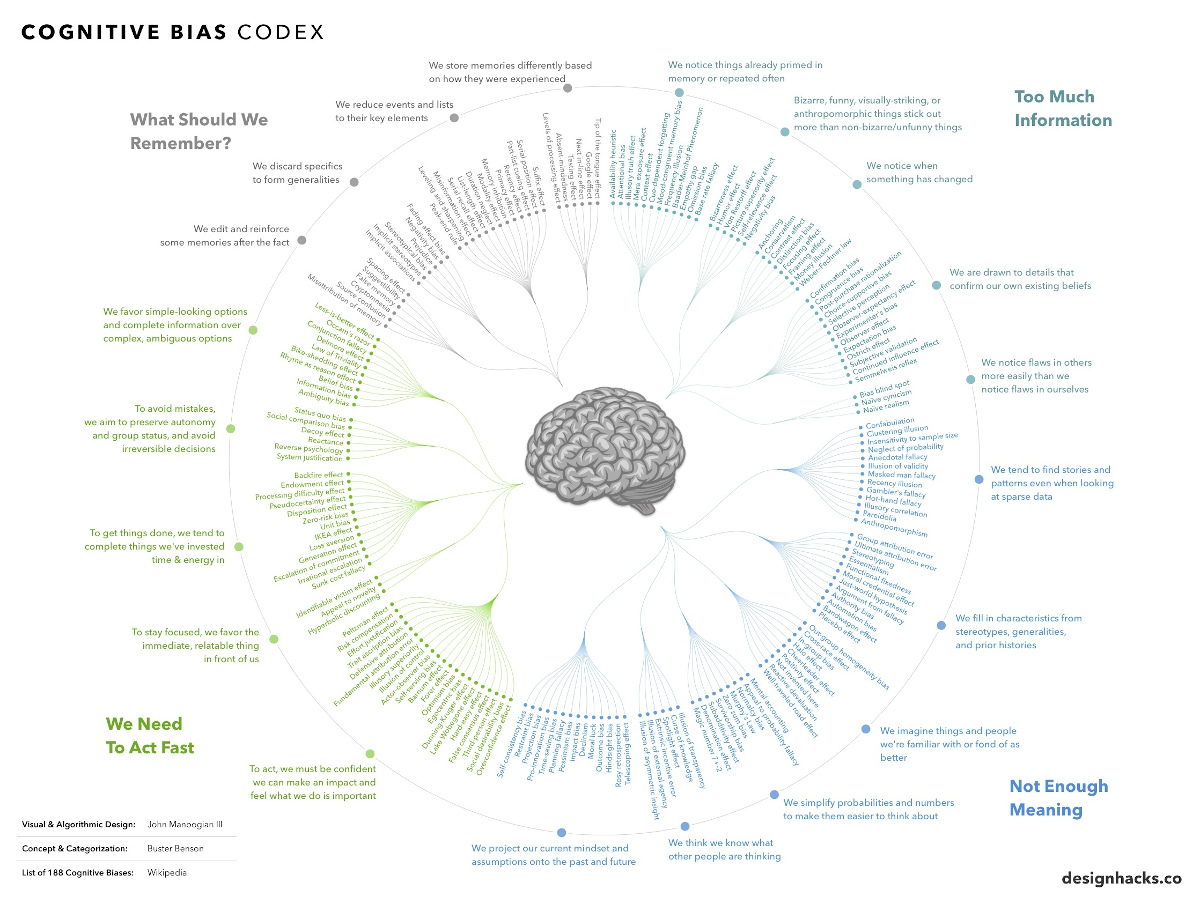
Rationality
About stereotypes regarding rational individuals and what rationality truly entails.