Cognitive Biases
List of known distortions of reality perception.
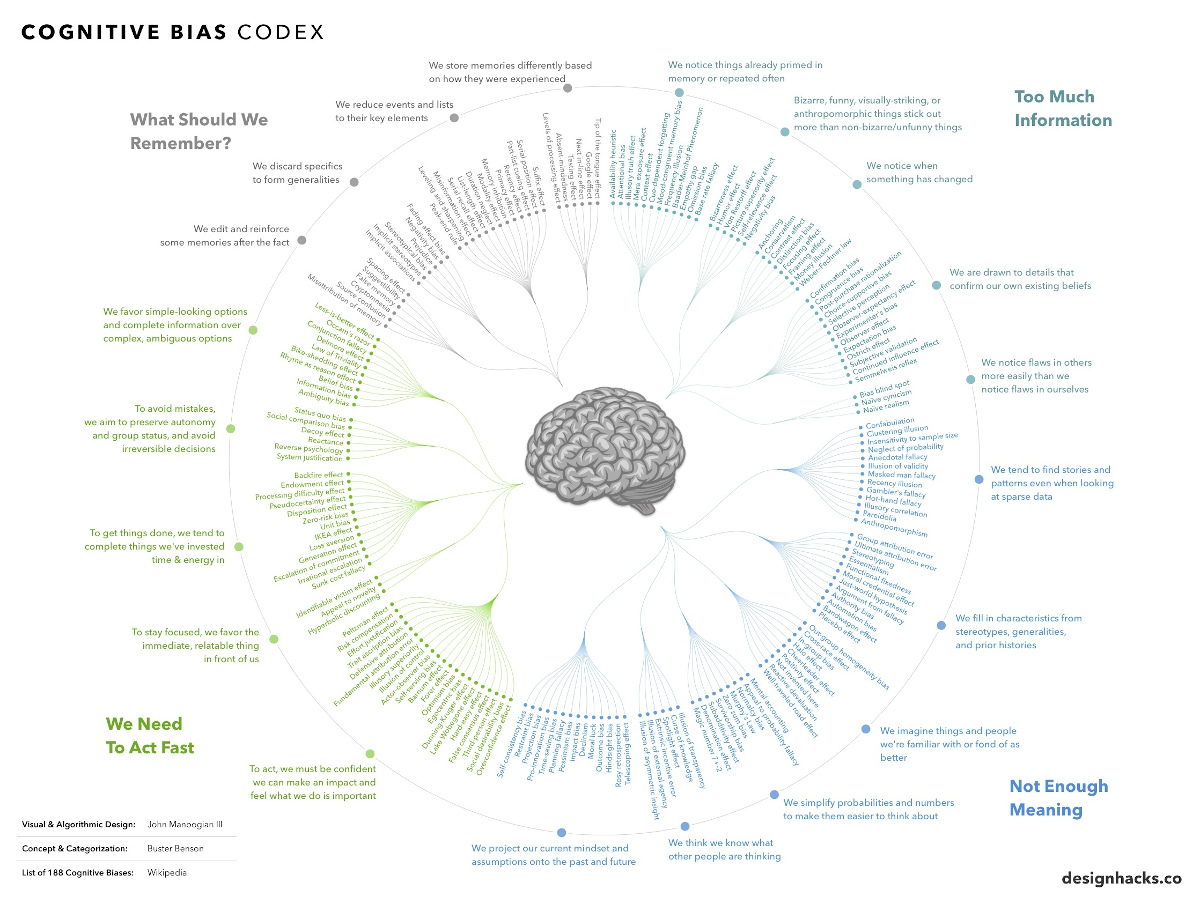
A Guide to All Known Cognitive Biases
I have collected all the reality perception biases I know from various sources, trying to avoid repetition.
Note: Some cognitive biases may overlap in meaning with certain logical fallacies, this is normal.
The Standard 2016 List of Biases from the Cognitive Bias Codex
Problem 1: Information Overload
Biases related to what is already in memory
Availability Heuristic
-
Description: We tend to consider what comes to mind most easily as more probable and important. If a memory is vivid and emotional, the brain automatically assigns it a high rank of significance, even if it is statistically incorrect.
-
Examples:
-
Fear of flying: News reports about plane crashes evoke strong emotions and are easily recalled. Because of this, we fear flying, although the probability of dying in a car accident is incomparably higher.
-
Marketing: When choosing a new smartphone, you recall a recent, vivid advertisement for a particular model. This brand seems more reliable and popular to you than others you haven’t heard about recently.
-
Opinion of a city: If the first person you met in a new city was rude to you, this negative experience will shape your overall impression of all its residents for a long time.
-
How to recognize:
-
Ask yourself: “Is my decision based on statistics and facts, or on one or two vivid examples that first came to mind?”
-
Before drawing a conclusion, consciously try to recall opposing examples.
-
Notice when your opinion about something changes dramatically after watching the news or hearing an emotional story.
Attentional Bias
-
Description: We subconsciously focus our attention on what concerns us most at the moment. Our thoughts and emotions act as a filter that highlights only “relevant” information in the world around us, ignoring everything else.
-
Examples:
-
Buying a car: As soon as you decide to buy a red car of a certain brand, it starts to seem like the whole city is filled with exactly those cars.
-
Dieting: Once you start a diet, you begin to see pastry shops, pizza ads, and people enthusiastically eating burgers everywhere.
-
Hypochondria: A person worried about their health will notice the slightest signals from their body (a cough, a tingle) and interpret them as symptoms of a terrible disease, ignoring hours of feeling well.
-
How to recognize:
-
If it seems that a certain phenomenon is appearing “everywhere,” ask yourself if this was preceded by your interest in the topic.
-
Try to purposefully shift your attention to something else. What else is happening around you that you haven’t noticed?
-
Compare your perception of a situation with that of another person — they likely noticed completely different details.
Illusory Truth Effect
-
Description: The more often we hear a statement, the truer it seems to us, regardless of its actual truthfulness. Repetition creates a sense of familiarity, and the brain mistakenly accepts the familiar as reliable.
-
Examples:
-
Advertising slogans: After the hundredth repetition, the phrase “Tide’s in, dirt’s out!” begins to be perceived as an indisputable fact.
-
Politics and rumors: A false rumor about a politician, repeated many times in the media and social networks, “settles” in people’s minds as something close to the truth, even if it is later refuted.
-
“Scientific” myths: Statements like “we only use 10% of our brain” or “nerve cells don’t regenerate” have come to seem true due to endless repetition, although they have long been disproven by science.
-
How to recognize:
-
When you hear a “well-known” statement, ask yourself: “How do I know this? Have I seen evidence, or have I just heard it many times?”
-
Be skeptical of information presented without a link to the original source.
-
If an argument seems convincing only because you’ve “heard it around,” it’s a reason to check the facts.
Mere Exposure Effect
-
Description: We automatically start to like and trust things we encounter more often, even if these encounters were completely neutral. The brain perceives familiarity as a sign of safety and quality.
-
Examples:
-
Musical preferences: A new song on the radio might be annoying at first, but after a few weeks of listening, you start to like it. Hits are born not only from quality but also from frequency of airplay.
-
Brand choices: In the supermarket, you choose a familiar brand of yogurt, even though you have never specifically studied its quality. You’ve just seen the packaging hundreds of times.
-
Liking people: A colleague with whom you have coffee at the same time every day gradually becomes more likable to you, even if you haven’t had any significant conversations.
-
How to recognize:
-
Ask yourself: “Do I like this because it’s genuinely good, or just because it’s familiar?”
-
Try to consciously explore alternatives that you see less often. They might turn out to be just as good as the familiar options.
-
Remember this effect when making important decisions — the choice should be based on quality, not familiarity.
Context Effect
-
Description: Our perception of any object or information is highly dependent on the surrounding context. The same thing can seem completely different depending on the environment in which we evaluate it.
-
Examples:
-
Restaurant experience: An ordinary wine in an expensive restaurant with beautiful presentation and a pleasant atmosphere seems exquisite. The same wine in a plastic cup at a picnic is perceived as mediocre.
-
Grading papers: A teacher who has just graded several weak essays will give a higher grade to an average paper. But if they started with excellent papers, the same average paper would receive a lower grade.
-
Shopping in a store: A t-shirt for 20-150-$200, the same t-shirt is perceived as a bargain.
-
How to recognize:
-
If you are evaluating something as “expensive” or “cheap,” “good” or “bad,” ask yourself: what exactly are you comparing it to?
-
Try to consciously change the context of comparison. How would you evaluate it in a different setting?
-
For important decisions, try to evaluate options based on absolute criteria, not just in comparison with the nearest alternatives.
Cue-dependent Forgetting
-
Description: We remember information best in the same context (place, mood, environment) in which we learned it. A change in context can lead to a temporary “loss” of memories that haven’t actually disappeared.
-
Examples:
-
Exams: Students who prepare for an exam in the same classroom where they will take it perform better. The familiar setting helps to “unlock” the learned material.
-
Scents and memory: The smell of a certain perfume can instantly take you back to your childhood and trigger a flood of memories about your grandmother. The scent acts as a key to locked memories.
-
Musical memories: Hearing a song that played at your graduation, you suddenly clearly remember details of that evening that you thought were long forgotten.
-
How to recognize:
-
If you have forgotten something, try to return to the place or state where you memorized it.
-
Use this effect for studying: create associations between the material and specific smells, sounds, or places.
-
Remember that what is “forgotten” is not always lost forever — perhaps you just need the right “key” to access the memory.
Mood-congruent Memory Bias
-
Description: Our current emotional state acts as a filter for our memories. When in a good mood, we are better at remembering positive events; when in a bad mood, we remember negative ones. This creates a false impression that life consists mainly of events that match our mood.
-
Examples:
-
Depressive episodes: A person with depression will easily recall all their failures, setbacks, and painful moments, while positive memories will seem distant and unreal.
-
Euphoria after success: After getting a promotion, you remember many moments when you were successful and talented, forgetting about periods of doubt and difficulty.
-
State of anger: After arguing with a partner, you will easily recall all their flaws and moments when they annoyed you, while pleasant memories are temporarily “blocked.”
-
How to recognize:
-
If it seems that your life is dominated by only bad or only good events, check your current mood.
-
When making important decisions about relationships or work, wait until the emotions subside and try to recall events in a more neutral state.
-
Keep a diary of different events in different moods — this will help you get a more objective picture of your life.
Frequency Illusion / Baader-Meinhof Phenomenon
-
Description: This is a two-step process. First, you learn something new (a word, a concept, a fact). Then, due to attentional bias, you start noticing it everywhere. The brain mistakenly concludes that this phenomenon has become more frequent, when in fact you have just learned to see it.
-
Examples:
-
A new word: You learned the meaning of the word “petrichor” (the smell of earth after rain). Over the next week, you encounter it several times in books and articles, wondering, “Why haven’t I noticed it before?”
-
A rare dog breed: Your friend gets a Welsh Corgi. Suddenly, you start seeing Corgis on the street every day.
-
Studying history: After reading about the American Civil War, you suddenly notice references to it in movies, songs, and even in clothing design.
-
How to recognize:
-
This bias is almost always accompanied by the thought: “How strange, I just learned about this, and here it is again!”
-
Acknowledge that it’s not the world adapting to you, but your perception that has become more trained.
-
Enjoy the effect! It shows how your knowledge and horizons are expanding.
Empathy Gap
-
Description: We are extremely poor at predicting how we will feel and behave in different emotional states. When in one mood, we cannot accurately imagine our needs, desires, and reactions in another state.
-
Examples:
-
Shopping while hungry: Going to the grocery store hungry, you buy much more food than you planned. Conversely, people who are full underestimate how much food they will need when they get hungry.
-
Romantic relationships: When in a state of love, it’s impossible to imagine that the feelings will ever fade. After a breakup, it’s hard to understand what you ever saw in that person.
-
Emotional decisions: In a calm state, you wonder, “How could I have been so angry over such a small thing?” But in a moment of anger, your anger seems completely justified and rational.
-
How to recognize:
-
Avoid making important decisions in extreme emotional states — wait for the “storm to pass.”
-
When planning for the future, think about the state you will be in when you do it and adjust your plans accordingly.
-
Remember that other people are also subject to the empathy gap — don’t judge them too harshly for decisions made in an emotional state.
Biases related to unusual things
Bizarreness Effect
-
Description: Our memory is structured so that strange, unusual, or absurd information is remembered much better than ordinary and logical information. The brain automatically allocates more resources to process things that do not fit into familiar patterns.
-
Examples:
-
Dreams: You easily remember a dream in which you were flying on a pink elephant, but you completely forget a more realistic dream about going to work.
-
Advertising: A strange ad with talking animals or absurd situations is remembered better than a typical commercial with beautiful models.
-
Meeting people: Among ten new colleagues, you will best remember the one with an unusual hobby (e.g., collecting vintage typewriters) or a striking appearance.
-
How to recognize:
-
If you remembered some information better than the rest, ask yourself: is it really more important, or just more unusual?
-
Use this effect for learning: create strange, funny, or absurd associations with important information.
-
Remember that “memorable” does not mean “correct” or “best” — sometimes the most ordinary options turn out to be the most suitable.
Humor Effect
-
Description: Information presented in a humorous form is not only remembered better but is also perceived as more credible and important. Laughter reduces critical thinking and creates positive associations with the information.
-
Examples:
-
Education: Students remember historical dates better when the teacher explains them through funny anecdotes or wordplay than as dry facts from a textbook.
-
Advertising: Humorous commercials are not only more memorable but also create a more positive attitude toward the brand, even if the humor is unrelated to the product’s quality.
-
Politics: Politicians who can use humor seem more human and trustworthy, even if their platform is less developed.
-
How to recognize:
-
If information seems convincing to you mainly because it was presented with humor, it is worth analyzing it on its own merits.
-
Humor is an excellent tool for memorization but a poor criterion for judging truth or importance.
-
Use humor consciously: to remember necessary information, but don’t let it influence serious decisions.
Von Restorff Effect
-
Description: An object that stands out significantly from a series of similar objects is remembered much better than the others. The “odd one out” always attracts attention.
-
Examples:
-
Shopping list: On a list: milk, bread, eggs, pineapple, potatoes. You are most likely not to forget to buy the pineapple.
-
Job interview: Among ten candidates in gray suits, the one who came in a bright yellow tie will be remembered.
-
Learning: In a long text written in black font, you will best remember the single phrase highlighted in red and bold.
-
How to recognize:
-
Ask yourself: “Did I remember this information because it’s the most important, or just because it was the most striking and unusual?”
-
Marketers and designers constantly use this effect. Remember that “noticeable” does not always mean “best.”
-
Apply this consciously for studying: highlight key terms in your notes so they “catch” your eye.
Negativity Bias
-
Description: Our brain is wired so that negative information (threats, criticism, bad news) has a much greater impact on us and is remembered better than positive information. This is an ancient evolutionary mechanism: missing a poisonous berry was more dangerous than not noticing an edible one.
-
Examples:
-
Work feedback: Your boss can praise you nine times for tasks well done, but one critical remark will ruin your mood for the whole day and stay in your memory for a long time.
-
Media: News about disasters, crimes, and crises gets far more views than stories about scientific breakthroughs or charity.
-
Relationships: In a long-term relationship, we can forget dozens of pleasant moments but will long remember one serious argument.
-
How to recognize:
-
If you are upset about one negative event, try to consciously list (even on paper) five positive things that happened during the same period.
-
Notice how you replay an unpleasant conversation in your head, but rarely return your thoughts to a compliment.
-
Consciously limit your consumption of negative content if you feel it is damaging your worldview.
Publication Bias
-
Description: Scientific journals, media, and other information sources are much more likely to publish studies and stories with positive, striking, or sensational results than those with negative or neutral ones. This creates a distorted picture of reality.
-
Examples:
-
Medical research: Pharmaceutical companies publish the results of successful new drug trials but hide data on failed experiments. As a result, the effectiveness of drugs appears higher than it actually is.
-
Success stories: The media loves to tell stories about startup founders who became millionaires after dropping out of school. But they don’t write about the thousands of people who dropped out and failed.
-
Psychological studies: Experiments that confirm existing theories are published more often than those that refute them or show no significant results.
-
How to recognize:
-
When you read about the effectiveness of something, ask yourself: “Where is the information about the cases where it didn’t work?”
-
Look for meta-analyses and systematic reviews that consider not only published but also “gray” data.
-
Remember that the absence of information about failures does not mean they don’t exist in reality.
Omission Bias
-
Description: We psychologically perceive harm caused by an action as more severe than the same harm caused by inaction. Simply put, “doing something bad” seems worse than “not doing something good.”
-
Examples:
-
Childhood vaccination: Parents fear the potential harm from a vaccine (an action) more than the harm from the disease it could prevent (inaction), even if the risk of the disease is statistically higher.
-
Investments: Investors regret buying stocks that fell (an action) more than not buying stocks that rose (a missed opportunity).
-
Medical decisions: A doctor might avoid prescribing a risky but potentially effective procedure, fearing causing harm by action more than the harm from a lack of treatment.
-
How to recognize:
-
When making decisions, compare “the result of action vs. the result of inaction,” not “action vs. inaction.”
-
Ask yourself: “What are the consequences of each option?” regardless of whether it requires activity or passivity.
-
Remember that sometimes inaction is also a choice that can have serious consequences.
Biases related to changes
Anchoring
-
Description: The first piece of information received has a disproportionately large influence on all subsequent judgments and decisions, even if it is completely irrelevant. We seem to “drop anchor” at the point of the first impression and rarely stray far from it.
-
Examples:
-
Price negotiations: A seller names an inflated price of 700 will seem reasonable, although the real value of the item might be $500.
-
Salary expectations: An HR manager asks for your desired salary. If you say 120,000, you will likely be offered something around $90,000, not the market rate.
-
Evaluating people: If you are introduced as a “brilliant specialist,” people will see signs of genius in your ordinary actions. If introduced as a “novice,” the same actions will seem inexperienced to them.
-
How to recognize:
-
Before important negotiations or decisions, research alternative reference points and market prices.
-
If the first piece of information you receive seems like the perfect starting point, it has likely “anchored” you.
-
Consciously seek information from other sources before making a decision.
Contrast Effect
-
Description: Our perception of any object changes radically depending on what we compared it to immediately before evaluating it. Contrast distorts absolute judgment — the same thing can seem better or worse depending on its “neighbors.”
-
Examples:
-
Attractiveness of people: A person of average attractiveness will seem beautiful when surrounded by less attractive people, and vice versa. Modeling agencies use this by showing average people next to not-so-photogenic ones.
-
Perception of salary: A salary of 200,000. But the same amount will seem great if you compare it to your previous job’s salary of $60,000.
-
Physical perception: After being in bright sunlight, a normal room seems very dark. After loud music, normal speech seems like a whisper.
-
How to recognize:
-
If something seems exceptionally good or bad, think about what you are comparing it to.
-
Try to evaluate the object on its own, without comparing it to extreme examples.
-
When making important decisions, look for objective evaluation criteria rather than relying solely on comparisons.
Focusing Effect
-
Description: When making decisions, we tend to overestimate the importance of one prominent factor and underestimate the influence of all others. This single aspect begins to dominate our perception, overshadowing the overall picture.
-
Examples:
-
Choosing a place to live: When moving to a warm climate, people overestimate how much the weather will affect their happiness and underestimate the importance of social connections, work, and cultural environment.
-
Choosing a job: A candidate might fixate only on the salary, ignoring the work schedule, team, career prospects, and commute.
-
Buying a car: A buyer focuses exclusively on engine power, forgetting about fuel consumption, comfort, reliability, and maintenance costs.
-
How to recognize:
-
If one characteristic seems decisive to you, make a written list of all important factors.
-
Ask for the opinions of others — they may notice important aspects that you are overlooking.
-
Imagine yourself one year after making the decision: what will be important then?
Framing Effect
-
Description: The same information can lead to completely different decisions depending on how it is formulated. The way information is presented affects perception more than the information itself.
-
Examples:
-
Medical decisions: “90% of patients survive” sounds reassuring, while “10% of patients die” sounds frightening, even though it’s the same statistic.
-
Food marketing: “95% fat-free meat” is perceived as a healthy product, while “5% fat” is seen as fatty. Manufacturers always choose the first option.
-
Discounts: A “200 item seems more appealing than a “10% off” discount, although they are mathematically the same.
-
How to recognize:
-
If a decision seems obvious to you, try to rephrase the information in different words.
-
Look for numerical data and convert percentages to absolute values and vice versa.
-
Be especially cautious with information that is formulated in a very emotional or one-sided way.
Weber–Fechner Law
-
Description: Our perception of change is relative, not absolute. We evaluate changes not in absolute numbers but as a proportion of the initial level. The same change can seem significant or insignificant depending on the base.
-
Examples:
-
Monetary amounts: The difference between 2 seems huge (a 100% increase), but the difference between 102 is barely noticeable (less than a 1% change).
-
Lighting: In a dark room, turning on even a dim lamp has a noticeable effect, but in a brightly lit room, the same lamp would go unnoticed.
-
Physical changes: Losing 10 pounds is very noticeable on a 110-pound person but almost unnoticeable on a 330-pound person.
-
How to recognize:
-
When evaluating changes, think not only about absolute numbers but also about proportions.
-
Marketers use this law: saving 20 item seems significant, but on a $1,000 item, it seems insignificant.
-
Remember this when planning changes: small improvements can be very noticeable if the starting level is low.
Distinction Bias
-
Description: When we have the opportunity to compare options side-by-side, minor differences between them seem much more important than when we evaluate each option separately. In comparison mode, we overestimate the significance of the differences.
-
Examples:
-
Choosing in a store: Standing in front of a shelf with ten types of yogurt, you might spend half an hour choosing between two almost identical options, carefully studying the ingredients. But if each were offered to you separately, you would be happy with either.
-
Job interviews: An HR manager carefully compares candidates’ resumes, giving great importance to the fact that one has 3.5 years of experience and another has 4. But if they reviewed each resume separately, this difference would seem insignificant.
-
Buying real estate: When choosing between two apartments, you might fixate on the fact that one has a bathroom that is 20 square feet larger, even though both apartments are otherwise suitable.
-
How to recognize:
-
If you are struggling to choose between similar options, try to evaluate each one individually.
-
Ask yourself: “If I were only offered this option, would I be satisfied?”
-
Remember that in real life, you will rarely be constantly comparing your choice with the alternatives.
Confirmation Biases
Confirmation Bias
-
Description: This is the “king” of all biases. We actively seek, notice, and remember information that confirms our existing beliefs, while ignoring, devaluing, or simply not seeing information that contradicts them. We want to be right, and our brain helps us do it.
-
Examples:
-
Political debates: A supporter of a particular party will only watch channels and read bloggers who support their point of view, considering all other sources “propaganda.”
-
Scientific research: A scientist with a hypothesis may unconsciously pay more attention to data that confirms it and ignore “inconvenient” results.
-
Shopping: You’ve decided that iPhones are better than Androids. You will search Google for “advantages of iPhone” rather than “iPhone vs. Android comparison” and will click on the links that praise your choice.
-
How to recognize:
-
This is the hardest to detect in yourself. Ask yourself: “What information would I look for if I wanted to prove myself wrong?” Try doing it.
-
Talk to people who have different views. Not to persuade them, but to understand their arguments.
-
Pay attention to phrases like, “I knew it!” or “This just confirms what I’ve been saying.” You might be seeing only part of the picture.
Congruence Bias
-
Description: When testing hypotheses, we tend to look for confirmatory examples instead of trying to find refuting ones. We test a rule by providing cases where it works, but we don’t look for cases where it doesn’t.
-
Examples:
-
Testing a rule: You need to test the rule “all numbers in the sequence are even.” You will say 2, 4, 6, 8, receiving confirmations, but you won’t try saying 3 or 5 to see what happens.
-
Business strategies: A manager who believes in the effectiveness of a particular marketing strategy will look for examples of its successful application but will not study cases of its failure.
-
Customer research: When conducting a survey, you ask, “What do you like about our product?” but not, “What irritates you about it?” or “Why might you decide not to buy it?”
-
How to recognize:
-
When testing any idea, ask yourself: “How can I disprove this?”
-
Look not only for examples of success but also for examples of failure.
-
Formulate questions in a way that can yield a negative answer, not just a confirmation.
Post-purchase Rationalization
-
Description: After making a purchase (especially an expensive or important one), we begin to actively convince ourselves that our choice was correct by exaggerating the pros of the purchased item and downplaying the merits of the alternatives we rejected. This is a way to avoid “buyer’s remorse.”
-
Examples:
-
Expensive laptop: After spending a lot of money on a new MacBook, you start finding more and more “unique” features, telling friends how “incredible” the screen is, and convincing yourself it will last forever.
-
Choosing a vacation: You chose a trip to Turkey instead of Greece. Afterward, you will read articles about the beautiful beaches of Turkey with special interest and ignore the enthusiastic reviews from friends about Greece, thinking to yourself, “but we had ‘all-inclusive’.”
-
Car: After buying a car, you suddenly start to consider its brand the most reliable and find minor flaws in all others: “that one has an outdated design, and the other one uses too much gas.”
-
How to recognize:
-
If, after a purchase, you start actively looking for positive reviews of the product or trying to convince friends who didn’t ask how great it is — this is probably it.
-
Pay attention if you start criticizing alternatives that seemed perfectly fine to you just yesterday.
-
This isn’t always a bad thing! It’s a psychological defense mechanism. But it’s useful to understand when it kicks in.
Choice-supportive Bias
-
Description: After we make a choice, the positive aspects of the chosen option seem better to us, and the negative aspects seem less significant. Simultaneously, the flaws of the rejected options are exaggerated, and their merits are downplayed.
-
Examples:
-
Choosing a restaurant: After you choose an Italian restaurant over a Japanese one, Italian cuisine suddenly seems more refined, and sushi seems “too simple” or “expensive for such small portions.”
-
Political elections: After voting for a candidate, their platform seems more well-thought-out, and their flaws less significant. The platforms of other candidates start to seem more populist.
-
Buying a car: After buying a Toyota, you start to notice how reliably it works and find flaws in a BMW (“too expensive to maintain”) or a Honda (“boring design”).
-
How to recognize:
-
If, after making a decision, you suddenly start finding new pros in your choice and cons in the alternatives, this mechanism may have been activated.
-
Try to honestly assess the shortcomings of your choice — they haven’t disappeared.
-
Remember that this effect helps you feel more confident in your decisions but can prevent you from learning from your mistakes.
Selective Perception
-
Description: We perceive and interpret information through the lens of our expectations, beliefs, and prejudices. Two people can look at the same event and see completely different things, each seeing what corresponds to their worldview.
-
Examples:
-
Sporting events: Fans of different teams will see controversial moments in a game differently. A foul that is obvious to one side will seem like a “clean play” to the other, and each side will be sincerely convinced they are right.
-
Political debates: Supporters of different parties can listen to the same speech by a politician, but some will hear a “strong platform,” while others will hear “populist demagoguery.”
-
Parenting: Parents see in their children’s behavior what they expect to see, in line with their beliefs about their child’s character.
Observer-Expectancy Effect
-
Description: Our expectations about the outcome unconsciously influence what we see and how we interpret what is happening. We find confirmations of our expectations even where they don’t exist because we actively seek them.
-
Examples:
- Education: A teacher who is told that certain students are “gifted” (even though they were chosen randomly) actually starts getting better results from them because they expect more and convey these expectations to the children.
- Medicine: A doctor convinced of the effectiveness of a new drug may see improvements in patients where there are none, or interpret neutral changes as positive.
- Interviews: An interviewer who gets a good first impression of a candidate will interpret their answers more positively and find confirmations of their opinion.
-
How to Recognize:
- If the results exactly match your expectations, it’s worth checking if you are unconsciously influencing them.
- Use objective evaluation criteria that do not depend on your assumptions.
- When possible, involve independent observers who do not know your expectations.
Experimenter’s Bias
-
Description: The researcher or person conducting the experiment unconsciously influences its course and results through their behavior, intonation, word choice, or even body language. This happens beyond the experimenter’s will.
-
Examples:
- Social Research: An interviewer may ask questions with different intonation to different groups of respondents, unconsciously pushing toward certain answers.
- Psychological Experiments: The experimenter may explain the task differently to participants in the control and experimental groups, influencing their understanding and motivation.
- Medical Research: A doctor may show more enthusiasm when prescribing a new drug and less when prescribing a placebo, which affects the patient’s mindset.
-
How to Recognize:
- If you are conducting some research or experiment, ask someone else to repeat the procedure.
- Standardize all aspects of conducting the experiment, including formulations and behavior.
- Use “blind” methods when possible: neither you nor the participants should know which specific variant is being tested.
Observer Effect
-
Description: The mere presence of an observer or awareness of being observed changes people’s behavior. We behave differently when we know we are being evaluated, even if we try to be natural.
-
Examples:
- Work Environment: Employees work noticeably better and more attentively when they know management is observing their activities. As soon as observation stops, productivity may decrease.
- Social Surveys: People give more socially acceptable answers in the presence of others. For example, they understate alcohol consumption or overstate exercise frequency.
- Education: Students and teachers behave differently in open lessons when inspectors or parents are in the class.
-
How to Recognize:
- If people’s behavior noticeably changes in your presence, the observer effect may be at play.
- When studying natural behavior, try to minimize your presence or use hidden observation (where ethical).
- Remember that “demonstrative” situations may not reflect the real state of affairs.
Expectation Bias
-
Description: Our preliminary expectations distort perception and evaluation of results. We tend to see what we expect to see and interpret ambiguous information in favor of our expectations.
-
Examples:
- Wine Tasting: Wine served as “expensive French” seems tastier than the same wine served as “cheap local.” Price and origin create expectations of quality.
- Placebo Effect: Patients who believe in the effectiveness of a drug often feel improvement even from a dummy. The expectation of healing triggers real physiological processes.
- Literary Criticism: A book by a famous author receives more lenient reviews than the exact same book by an unknown writer. The author’s reputation creates expectations of quality.
-
How to Recognize:
- If the result exactly matches your expectations, try to evaluate it “blindly,” without knowing the backstory.
- Pay attention to information that could have formed your expectations before familiarizing yourself with the evaluation object.
- Use objective evaluation criteria independent of reputation or preliminary information.
Ostrich Effect
-
Description: Active avoidance of negative or potentially unpleasant information. We literally “bury our head in the sand,” hoping that if we don’t look at the problem, it will somehow disappear on its own.
-
Examples:
- Finances: A person with a lot of credit card debt consciously does not check the balance and does not open bank letters to avoid getting upset.
- Health: You feel strange symptoms but postpone a doctor’s visit, fearing a bad diagnosis.
- Investments: During a stock market fall, an investor stops logging into their brokerage account to avoid seeing their savings melt away.
-
How to Recognize:
- If you catch yourself thinking “I’d better not know this” or “I’ll think about it tomorrow” when it comes to important things — that’s it.
- This bias is driven by fear. Acknowledge that you’re afraid, but understand that uncertainty is often more tormenting than bad news.
- Remember that the problem doesn’t disappear just because you’re not looking at it. Most often, it only gets worse. Early detection of the problem is key to solving it.
Subjective Validation
-
Description: We tend to consider information accurate and meaningful if it seems personally relevant or emotionally resonates with our experience, even if objectively it is extremely general and applicable to most people.
-
Examples:
- Horoscopes: Phrases like “You sometimes doubt the correctness of your decisions” or “You have hidden creative potential” seem like an exact description of your personality, although applicable to almost anyone.
- Psychological Tests: General characteristics like “You value harmony in relationships but can sometimes be critical” are perceived as a personal analysis of your psyche.
- Predictions: A forecast “Changes in personal life await you soon” seems prophetic because changes happen in everyone’s life constantly.
-
How to Recognize:
- If the description seems amazingly accurate to you, try showing it to other people — most likely, they will find it fitting too.
- Pay attention to very general formulations that can be interpreted in different ways.
- Check if the information contains specific, verifiable details or only general statements.
Continued Influence Effect
-
Description: Disproven information continues to influence our judgments and decisions, even when we rationally understand that it is false. Initial information leaves a deep trace in memory.
-
Examples:
- Fake News: Even after official debunking of fake news, people continue to partially believe it or make decisions based on it.
- First Impressions: Hearing false information about a person upon meeting, we continue to perceive them through the prism of this first (false) impression.
- Health Myths: Scientifically debunked myths about the harm of vaccines or the benefits of homeopathy continue to influence people’s behavior.
-
How to Recognize:
- Periodically review your beliefs and check if they are based on outdated or debunked information.
- When receiving new information contradicting your views, don’t dismiss it immediately.
- Actively seek current data on issues important to you, especially regarding health, finances, and career.
Semmelweis Reflex
-
Description: Automatic rejection of new information, ideas, or facts that contradict established beliefs, norms, or paradigms. Named after the doctor who was rejected by colleagues for suggesting handwashing.
-
Examples:
- Scientific Discoveries: The medical community long rejected the idea that stomach ulcers are caused by bacteria, not stress and spicy food.
- New Technologies: Resistance to implementing new technologies in companies: “We’ve always done it this way, why change anything?”
- Political Views: Ignoring facts and research that contradict political beliefs.
-
How to Recognize:
- Notice when your first reaction to new information is immediate rejection without analysis.
- Ask yourself: “Am I rejecting this on its merits or because it doesn’t fit my worldview?”
- Practice intellectual humility: admit the possibility that you might be wrong.
Bucket Error
-
Description: Incorrect categorization of information, people, or events due to bias or lack of context. We “throw” new information into the wrong “bucket” of our perceptions.
-
Examples:
- Social Groups: Assigning a person to the wrong social, professional, or cultural group based on external signs or stereotypes.
- Medical Diagnosis: Incorrect classification of symptoms when a doctor “sees” a familiar disease where it isn’t.
- Behavior Motives: Misunderstanding others’ actions’ motives, attributing intentions they don’t have.
-
How to Recognize:
- Before “putting” new information into a familiar category, stop and think: “Does this really belong here?”
- Seek additional information before final categorization.
- Remember that many phenomena can belong to multiple categories simultaneously or not fit into existing frameworks at all.
Law of Narrative Gravity
-
Description: We attract facts to existing stories and narratives in our mind, fitting reality to familiar plots. Like planets attracted to stars, facts are “attracted” to our stories.
-
Examples:
- Conspiracy Theories: Fitting disparate facts into a single conspiracy theory, even if the connections are tenuous.
- Personal History: Interpreting events in accordance with self-perception as a “loser” or “lucky one.”
- Seeking Connections: Creating causal links between unrelated events because they fit your “story” about how the world works.
-
How to Recognize:
- Notice when you too easily find explanations for complex events.
- Ask yourself: “Am I explaining this event this way because that’s how it is, or because it fits my favorite story?”
- Practice thinking in separate facts, without immediately weaving them into the overall picture.
Social Perception Biases
Bias Blind Spot
-
Description: We see cognitive biases and irrationality in other people much better than in ourselves. Paradoxically, knowledge of biases does not protect us from them.
-
Examples:
- Media Criticism: Criticizing media bias and propaganda, but not noticing how we ourselves fall under the influence of sources that match our views.
- Irrationality of Others: Easily seeing how others make emotional decisions, but considering our own decisions rational and thoughtful.
- Advertising: Considering ourselves less susceptible to advertising influence than other people.
-
How to Recognize:
- If you think biases are other people’s problem, not yours, you’re already caught in this trap.
- Regularly “audit” your decisions: ask yourself what biases could have influenced them.
- Ask for feedback from people you trust, especially on important decisions.
Naïve Cynicism
-
Description: We expect others to be more biased, selfish, and irrational than ourselves. We project onto them a greater degree of self-interest and lesser degree of sincerity.
-
Examples:
- Politics: Considering the motives of political opponents more selfish and self-serving than those of “our” politicians.
- Business: Assuming hidden negative motives in competitors, negotiators, or even colleagues.
- Personal Benefit: Overestimating the influence of personal gain on others’ decisions, underestimating their capacity for altruism.
-
How to Recognize:
- Notice when you automatically attribute the worst motives to others.
- Practice Hanlon’s razor: “Never attribute to malice that which can be adequately explained by stupidity” (or, let’s add, ordinary human motives).
- Try to find at least one positive explanation for a person’s behavior before making negative conclusions.
Naïve Realism
-
Description: We believe that we see the world objectively, as it is, and people who see it differently are biased, uninformed, or irrational. We do not realize the subjectivity of our own perception.
-
Examples:
- Political Views: Our political views seem obvious and fact-based to us, while opposing ones seem based on prejudices or propaganda.
- People Evaluation: Considering our assessments of others’ character and abilities objective and accurate.
- Surprise at Disagreements: Genuinely surprised when smart and educated people see the situation completely differently.
-
How to Recognize:
- If you think your point of view is just “how things really are,” and not one of many possible interpretations — that’s it.
- Practice intellectual humility: regularly remind yourself that your worldview is subjective.
- Actively seek alternative viewpoints on issues important to you.
Problem 2: Lack of Meaning
Search for Patterns and Stories
Confabulation
-
Description: Creating false memories or explanations without intent to deceive. The brain automatically “fills in gaps” in memory or understanding with plausible but incorrect details.
-
Examples:
- Posthypnotic Behavior: A person performs a hypnotically suggested action but comes up with a logical explanation for why they did it.
- False Memories: Creating detailed memories of events that didn’t happen, especially under the influence of leading questions.
- Explanation of Decisions: Inventing rational reasons for decisions that were actually made intuitively or emotionally.
-
How to Recognize:
- Be cautious with “memories” that became very vivid or detailed after discussion with others.
- Don’t trust overly confident explanations of your actions, especially spontaneous ones.
- Accept phrases like “I don’t remember” or “I don’t know why I did that” as normal and honest answers.
Hot-Hand Fallacy
-
Description: The opposite of the gambler’s fallacy. Belief that a streak of luck will continue, that success breeds success. “Hot hand” in sports or “streak of luck” in life.
-
Examples:
- Sports: Passing the ball to a player who scored several baskets in a row, hoping they will continue scoring.
- Investments: Buying stocks of companies that showed growth for several quarters, expecting continued growth.
- Career: Expecting that a colleague who received several promotions in a row will definitely get the next one.
-
How to Recognize:
- Remember that past results do not guarantee future ones in most cases.
- Look for objective reasons for success, rather than relying on “luck” or “streak.”
- In situations where the result really depends on skill (e.g., in some sports), the effect may be real, but don’t overestimate it.
Clustering Illusion
-
Description: Our tendency to see patterns, sequences, and “streaks” in random sequences of events. The brain dislikes randomness and tries to order chaos, finding nonexistent patterns in it.
-
Examples:
- Gambling: A roulette player sees that “red” came up three times in a row and bets a large sum on “black,” believing it “must” come up. In fact, each spin has a 50/50 probability and does not depend on previous ones.
- Basketball: Commentators and viewers say a player has a “hot hand” (hot-hand fallacy, a special case) because they scored 4 baskets in a row. They believe the fifth shot will be successful, although statistically the chances haven’t changed.
- Demographics: In one maternity hospital, 10 boys and only 2 girls were born in a week. The staff starts joking about “boys’ week,” although it’s just a statistical coincidence.
-
How to Recognize:
- When faced with a “sequence,” ask yourself: “Is there a real causal connection here, or is it just chance?”
- Remember that in any sufficiently long random sequence, there will inevitably be “chunks” that look non-random.
- Don’t trust intuition when it comes to statistics and probabilities. The nature of randomness is often counterintuitive.
Statistical Biases
Insensitivity to Sample Size
-
Description: We ignore sample size when evaluating statistical data, giving equal importance to results obtained from large and small samples.
-
Examples:
- Surveys: Trusting the results of a survey of 100 people the same as a survey of 10,000 people.
- Product Reviews: Evaluating restaurant quality based on one review the same as based on a hundred reviews.
- Medical Research: Equal trust in a study with 50 patients and one with 5,000 patients.
-
How to Recognize:
- Always pay attention to sample size in statistical data.
- Remember: the smaller the sample, the greater the random error.
- Don’t draw far-reaching conclusions based on single cases or very small samples.
Neglect of Probability
-
Description: We ignore numerical probabilities when assessing risks, especially when events are emotionally charged or vividly imaginable.
-
Examples:
- Air Travel: Fear of flying despite statistically being the safest mode of transport.
- Lotteries: Buying lottery tickets despite minuscule chances of winning.
- Rare Diseases: Panic fear of rare but highly publicized diseases while ignoring more probable risks.
-
How to Recognize:
- When experiencing strong fear or hope, stop and find specific probability figures.
- Compare risks: how many times more probable is one event than another?
- Remember that our brain handles very small and very large numbers poorly.
Anecdotal Fallacy
-
Description: We overestimate the significance of personal stories and vivid examples compared to statistical data and scientific research.
-
Examples:
- Medicine: Refusing effective treatment because of one acquaintance’s story with side effects.
- Education: Choosing a university based on one alumnus’s story, ignoring employment statistics.
- Investments: Buying stocks in a certain company because a neighbor got rich on them.
-
How to Recognize:
- Ask yourself: “This is an interesting story, but what does the statistics say?”
- Look for data on large samples, not rely on single cases.
- Remember that vivid stories are remembered better but not necessarily more representative.
Illusion of Validity
-
Description: We overestimate the accuracy and reliability of our judgments, especially when we have a lot of information (even if irrelevant) or when we are confident in ourselves.
-
Examples:
- Hiring Interviews: Overestimating the ability to evaluate a candidate from a short interview, ignoring more objective tests.
- Medical Diagnoses: Doctors’ excessive confidence in diagnoses based on limited data.
- Forecasts: Confidence in the accuracy of one’s forecasts based on analysis of a large number of factors.
-
How to Recognize:
- The more confident you are in your judgment, the more critically you should approach it.
- Quantity of information does not always mean quality of judgment.
- Look for objective ways to verify your judgments.
False Correlations and Connections
Masked Man Fallacy
-
Description: Incorrect logical conclusions because one object or person is described in different ways, and we don’t understand that it’s the same thing.
-
Examples:
- Astronomy: “I know what the Morning Star is, but I don’t know what Venus is” (although it’s the same celestial body).
- Social Roles: Different attitudes toward the same person in the role of a strict boss and a caring father.
- Scientific Terms: Not understanding that H₂O and water are the same substance.
-
How to Recognize:
- Be careful when making conclusions about properties of objects with different names.
- Check if you’re talking about the same phenomenon with different words.
- Study the context and definitions of the terms you use.
Recency Illusion
-
Description: We consider recently noticed phenomena new or more widespread than they actually are. When our attention is drawn to some word, concept, or trend, it seems that it appeared only recently, although it could have existed for a long time.
-
Examples:
- New Words: Hearing the word “toxic” in a psychological context for the first time, you start noticing it everywhere and think it’s a new term, although it’s been used for decades.
- Crime Growth: After a series of news stories about robberies, it seems that crime has sharply increased, although statistics may show the opposite.
- Trend Revival: Seeing youth in wide jeans, you think: “Fashion for the 90s again!”, forgetting that such cycles repeat regularly.
-
How to Recognize:
- When something seems “new,” check if your attention to this topic has simply changed.
- Look for historical data before concluding about growth or emergence of phenomena.
- Remember: noticing something more often does not mean it has started happening more often.
Gambler’s Fallacy
-
Description: This is a specific form of clustering illusion. We mistakenly believe that if something failed before, success is more likely now (or vice versa). We kind of expect the universe to “restore balance.”
-
Examples:
- Coin Toss: After five “heads” in a row, it seems that “tails” must come up now. The chance is still 50%.
- Investments: A stock has been falling in price for a whole week. A novice investor decides that “the bottom is reached” and it will start rising soon, ignoring real economic reasons for the fall.
- Quality Control: An inspector at a factory checked 10 parts, and all were defective. They may decide that the next part is highly likely to be quality to “dilute” the series.
-
How to Recognize:
- This bias often occurs in situations with independent random events (lotteries, gambling, birth of children of a certain gender).
- Ask yourself: “Does the outcome of the next event depend on the previous ones?” If not (like with a coin), your expectations of “compensation” are the gambler’s fallacy.
- Beware of thoughts like: “It can’t go on like this forever!” In the world of randomness — it sure can.
Illusory Correlation
-
Description: We see a connection between two phenomena or events where there is none. Often this happens when both events are rare or unusual, making their coincidence particularly memorable.
-
Examples:
- Folk Omens: “Washed the car — expect rain.” Rain and car washing are two independent events. But when they coincide, it seems non-random and sticks in memory.
- Racial Stereotypes: A person meets one or two representatives of a certain social group who behave unpleasantly. They make a false conclusion that “they are all like that,” creating a link between the group and negative behavior.
- Luck Rituals: A student wore a “lucky” shirt for an exam and passed with excellent marks. Now they believe that the shirt brings them luck and will wear it for all important tests, although there is no connection between clothing and knowledge.
-
How to Recognize:
- If you claim that “A” causes “B,” ask yourself: “Have there been cases when ‘A’ happened, but ‘B’ didn’t? And when ‘B’ happened without ‘A’?”
- Be especially cautious with conclusions based on one or two vivid coincidences.
- Remember: correlation is not causation. Even if two events often happen together, it doesn’t mean
Pareidolia
-
Description: Tendency to perceive meaningful and familiar images (most often — faces and figures) in random, chaotic structures. This is the result of the brain’s work, which constantly tries to “recognize” something familiar in the surrounding world.
-
Examples:
- Clouds: You look at the sky and see a cloud in the shape of an elephant, dog, or dragon.
- Household Items: A pattern on marble tile resembles a human face, and the front of a car “looks” at you with headlight-eyes.
- Sounds: In the noise of a working fan or a recording played backward, you can “hear” meaningful words or melodies.
-
How to Recognize:
- This is one of the most harmless and creative biases. Usually, it doesn’t require correction.
- Just know that this is not “signs from the universe,” but a feature of your brain’s work.
- If you see a face on Mars or a saint’s image on burnt toast — that’s pareidolia. Smile and know that your brain is working properly.
Anthropomorphism
-
Description: Endowing inanimate objects, animals, or abstract concepts with human qualities, emotions, and intentions. We project onto them our own way of thinking.
-
Examples:
- Technology: “My laptop is ‘tired’ today and ‘acting up’.” “The printer is ‘doing this to spite me’.” We attribute character and will to technology.
- Pets: A dog owner looks at their guilty lowered muzzle and thinks: “He understands everything and is ashamed for the eaten slippers.” Although the dog is most likely just reacting to the owner’s tone of voice.
- Nature: We say that “nature is taking revenge” for environmental pollution or that a storm was “furious.”
-
How to Recognize:
- Notice when you describe animal behavior or object functioning using words suitable for describing a human (thinks, wants, revenges, loves, hates).
- This bias underlies many fairy tales and fables. It helps us build an emotional connection with the world.
- In most cases, it’s harmless but can lead to problems, for example, when an owner doesn’t treat a sick animal because “it will cope on its own, it has a strong character.”
Filling Gaps with Stereotypes
Group Attribution Error
-
Description: We assume that group decisions and characteristics reflect the preferences and qualities of all group members, ignoring individual differences and complex dynamics of group decision-making.
-
Examples:
- Politics: “All members of this party support the leadership’s decision,” although there may be many dissenters inside.
- Corporate Culture: “Employees of this company agree with the new policy,” ignoring those who are just afraid to express disagreement.
- National Decisions: “Residents of this country support the government’s actions,” based on the official position or election results.
-
How to Recognize:
- Remember that groups consist of individuals with different opinions.
- Distinguish between the official group position and the personal views of its members.
- Consider factors that may prevent people from expressing their true opinion (fear, pressure, conformity).
Fundamental Attribution Error
-
Description: We tend to explain others’ actions by their internal qualities (character, personality), and our own actions — by external circumstances. Simply put: “He was late because he’s unpunctual. I was late because of terrible traffic.”
-
Examples:
- On the Road: If someone cuts you off on the road, your first thought: “What a rude jerk!” If you cut someone off yourself, you think: “I’m in a huge hurry for an important meeting, it’s a forced measure.”
- At Work: A colleague didn’t submit a report on time. Conclusion: “He’s lazy and irresponsible.” You didn’t submit a report on time. Explanation: “I was given too difficult a task and not provided with the necessary data.”
- In the Store: The cashier serves you slowly. Conclusion: “He’s incompetent.” When you yourself take a long time searching for change in your wallet, you consider it an objective delay.
-
How to Recognize:
- Before condemning someone’s action, try to imagine at least three external reasons that could have led to it.
- Try applying to yourself the same explanation you gave to another: “Maybe I was late because I’m disorganized?”
- Ask yourself: “How would I act in their place under the same circumstances?”
Stereotyping
-
Description: Applying generalized group characteristics to individual people without considering their individual features. We “pack” people into ready-made categories.
-
Examples:
- Racial: Expectations of certain behavior from a person based on their race or ethnicity.
- Gender and Age: Assumptions about abilities, interests, or behavior based on gender or age.
- Professional: Automatic attribution of personality traits based on profession (“all lawyers are cunning,” “all artists are frivolous”).
-
How to Recognize:
- Notice when you make assumptions about a person before getting to know them personally.
- Ask yourself: “Am I thinking this about a specific person or about the group they belong to?”
- Actively seek examples that do not match the stereotype.
Essentialism
-
Description: Belief that people, groups, or categories have an unchanging internal “essence” that determines their characteristics and behavior. Ignoring the influence of environment, upbringing, and circumstances.
-
Examples:
- Gender Differences: “Men are naturally more logical, women more emotional,” ignoring the influence of upbringing and culture.
- National Character: “This nation has a warlike character,” as if it’s innate and unchanging.
- Social Class: “Rich people are naturally greedy,” not considering the influence of circumstances and the system on behavior.
-
How to Recognize:
- Beware of phrases like “by nature,” “in the blood,” “they are all like that.”
- Remember that most human qualities are shaped by environment and experience.
- Look for alternative explanations of behavior through circumstances and context.
Functional Fixedness
-
Description: Inability to see new ways to use familiar objects or solve habitual tasks. We “get stuck” on standard functions of things.
-
Examples:
- Tools: Using a hammer only for hammering nails, not seeing it as a tool for breaking, weighing, or propping.
- Household Items: Inability to use a book as a stand, a box as an organizer, or a newspaper as packing material.
- Problem Solving: Attempting to solve a new problem only with old, habitual methods.
-
How to Recognize:
- When faced with a problem, ask yourself: “How else can I use the resources available to me?”
- Practice creative thinking: come up with unusual uses for ordinary objects.
- Don’t be afraid to experiment with non-standard solutions.
Moral Credential Effect
-
Description: Past moral actions or positions create a sense of “credit of trust” that justifies questionable actions in the future. We kind of “buy” the right to unethical behavior.
-
Examples:
- Racism: “I can’t be racist, I have friends of other races,” using this as justification for biased statements.
- Work Relations: A leader engaged in charity considers this justification for harsh or unfair treatment of subordinates.
- Politics: A politician refers to past merits to justify current questionable decisions.
-
How to Recognize:
- Beware of thoughts like “I’m a good person because…,” especially when they arise before a questionable action.
- Each action should be evaluated on its own, not in the context of past merits.
- Remember: morality is not a bank account where you can accumulate “good” for future spending.
Just-World Hypothesis
-
Description: Deeply rooted belief that the world is a fair place where people always get what they deserve. Good things happen to good people, bad to bad. This bias helps us feel safer but often leads to victim blaming.
-
Examples:
- Social Inequality: “If they are poor, it means they are just lazy and don’t try hard enough.” This thought protects us from the fear of ending up in poverty ourselves.
- Victim Blaming: Hearing about a scam victim, a person might think: “Should have been smarter and not trust just anyone.” This creates the illusion that with them, “smart,” this definitely won’t happen.
- Health: “He got lung cancer? Well, he smoked all his life, his own fault.” This ignores the fact that the disease can strike non-smokers too.
-
How to Recognize:
- Notice in yourself or others the feeling of “their own fault…” or “should have…”
- Remember that chance and injustice are an integral part of life. Bad things can happen to good people for no reason.
- Show empathy. Instead of looking for the victim’s fault, think about how you can help them.
Argument from Fallacy
-
Description: Considering a statement false only because the argumentation in its favor was poor or incorrect. Bad arguments do not make the conclusion automatically false.
-
Examples:
- Scientific Ideas: Rejection of a correct scientific idea because it was poorly explained by an incompetent popularizer.
- Social Problems: Ignoring a real problem because its representatives use weak arguments.
- Personal Decisions: Rejection of a correct decision because of unconvincing presentation.
-
How to Recognize:
- Separate the quality of argumentation from the truth of the statement.
- Look for independent sources and evidence.
- Ask yourself: “Could this statement be true even if the argument is bad?”
Authority Bias
-
Description: We tend to overestimate the opinion and follow the instructions of people we perceive as authority (bosses, doctors, experts, people in uniform), even if their instructions go beyond their competence or seem dubious.
-
Examples:
- Advertising: A famous actor dressed in a doctor’s coat advertises medicine. We subconsciously trust his “medical” opinion, although he is just an actor.
- At Work: An employee performs an absurd or unethical order from the boss without questions, just because “management knows best.”
- Investments: A famous businessman casually mentions in an interview that he invested in some cryptocurrency. Thousands of people follow his example without their own analysis, because “such a person can’t be wrong.”
-
How to Recognize:
- Ask yourself: “Do I agree with this statement on its merits or because it was said by a respected person?”
- Separate the person from the information. Even the greatest expert can be wrong, especially in questions not related to their main field.
- Don’t be afraid to ask clarifying questions to authoritative figures. “Why do you think so?”, “What data is your conclusion based on?”.
Automation Bias
-
Description: Excessive trust in automated systems, algorithms, and computer programs, even when their recommendations are clearly erroneous or inappropriate.
-
Examples:
- Navigation: Blindly following a GPS navigator, even when it leads along a dangerous or blocked route.
- Medicine: Doctors trusting computer diagnostics more than their own clinical experience.
- Translations: Overestimating the accuracy of automatic translations without checking context and meaning.
-
How to Recognize:
- Remember that automated systems are created by people and may contain errors.
- Maintain critical thinking when using any “smart” systems.
- Trust but verify, especially in important decisions.
Bandwagon Effect / Majority Effect
-
Description: Tendency to do or believe something simply because many others do or believe it. The desire to be part of the group and fear of isolation can be stronger than our personal convictions.
-
Examples:
- Fashion and Trends: Buying a certain model of sneakers, vape, or fidget spinner not because you really need them, but because “everyone is doing it now.”
- Elections: People more willingly vote for the candidate with the highest rating according to polls. There is a feeling that “the majority can’t be wrong.”
- Investment Fever: During a stock or cryptocurrency market boom, people start massively buying assets, fearing to “miss the profit” that everyone around is getting. This inflates financial bubbles.
-
How to Recognize:
- If your main justification for some action sounds like “everyone does it,” — that’s a warning sign.
- Ask yourself: “Would I do this if no one else was doing it? Do I really need/like this?”
- Remember that the majority opinion is often wrong. History knows many examples of that.
Placebo Effect
-
Description: Improvement in condition or well-being occurs solely due to belief in the effectiveness of treatment or intervention, not due to real properties of the drug or procedure. The brain literally “deceives” the body, triggering real physiological processes.
-
Examples:
- Dummy for Pain: Taking a vitamin presented as a painkiller, you feel real relief from a headache.
- Energy Drink: Drinking plain water with an “energy” label, you feel a surge of energy and increased concentration.
- Expensive Medicine: An expensive drug seems more effective than a cheap analog with the same composition just because of the price and packaging.
-
How to Recognize:
- Separate subjective sensations from objective results.
- When evaluating the effectiveness of something, look for control groups and scientific data.
- Remember: if you feel better, it’s not always due to a specific remedy.
Projection of the Familiar onto the Unfamiliar
Halo Effect
-
Description: One prominently expressed positive characteristic of a person, product, or phenomenon influences our perception of all other qualities. We automatically attribute additional positive properties based on one known virtue.
-
Examples:
- Beauty and Intelligence: Attractive people automatically seem smarter, kinder, and more successful, even without confirming facts.
- Branding: If a company produces quality smartphones, we automatically expect their headphones, watches, and other tech to be excellent too.
- Celebrities: A favorite actor seems like a good person in life, although you know them only from roles.
-
How to Recognize:
- Evaluate each quality separately, without relying on overall impression.
- Ask yourself: “What exactly is my opinion about this specific aspect based on?”
- Look for independent confirmations of different characteristics.
In-group Bias
-
Description: We automatically prefer members of our own group: colleagues, like-minded people, compatriots, fans of the same team. This happens even when the group is formed randomly or by an insignificant sign.
-
Examples:
- Sports Teams: Your team always plays fairer, and judges are unfair to it, unlike opponents.
- Work Teams: Employees of your department seem more competent and hardworking than from other divisions.
- Nationality: When hiring, unconsciously preferring compatriots.
-
How to Recognize:
- Notice when you evaluate “your own” more leniently than “outsiders” for the same actions.
- Before making a decision, ask: “How would I evaluate this if it was done by someone not from my group?”
- Look for objective evaluation criteria not related to group affiliation.
Out-group Homogeneity Bias
-
Description: We perceive members of out-groups as more similar to each other than they actually are. At the same time, in our own group, we easily see individual differences and uniqueness of each.
-
Examples:
- Racial: “All Asians look the same” — although for representatives of Asian cultures, differences are obvious.
- Age Groups: “All teenagers are equally irresponsible” — ignoring the huge diversity of personalities and interests.
- Professional: “All politicians are liars” — not noticing differences in approaches and values.
-
How to Recognize:
- Notice when you have a “they are all the same” feeling.
- Remember how differently people in your own group think and act.
- Try to get to know representatives of other groups personally, not through stereotypes.
Cross-race Effect
-
Description: It is much harder for us to distinguish and remember faces of people of other races compared to representatives of our own race. This happens due to less experience interacting and features of perceiving unfamiliar traits.
-
Examples:
- Racial Identification: Errors in court cases due to inaccurate identification of criminals of another race.
- Recognition Systems: AI systems recognize faces of races less represented in training data worse.
- Social Situations: Difficulties remembering names and faces of new colleagues from other cultures.
-
How to Recognize:
- Be especially attentive when needing to identify or describe people of another race.
- Interact more with representatives of different cultures to develop distinction skills.
- In important situations, ask for confirmation from others or use additional identification methods.
Cheerleader Effect
-
Description: People seem more attractive when seen in a group than individually. The brain averages facial features in the group, smoothing out flaws and creating a more harmonious impression.
-
Examples:
- Social Media Photos: Group photos for avatars make you visually more attractive than solo selfies.
- Dating Sites: People choose group photos, intuitively understanding their benefit.
- Team Work: Work teams seem more competent and cohesive than evaluating each member separately.
-
How to Recognize:
- When evaluating attractiveness or competence, look at people individually too.
- Remember this effect when choosing photos for profiles or team presentations.
- Don’t rely only on group impression when making personnel decisions.
Well-Travelled Road Effect
-
Description: The well-traveled road effect is the tendency for a person to underestimate the time required to complete a familiar task. The more often we do something, the simpler it seems to us. This illusion of simplicity makes us think we will cope faster than in reality.
-
Examples:
- Delays: You constantly late for work because you underestimate the time needed for the familiar route.
- Project Planning: Experienced specialists may underestimate the time needed for standard work tasks, leading to delays in projects.
- Household Chores: You plan too many things for the weekend because it seems each will take no time, and in the end, you don’t get anything done.
-
How to Recognize:
- When planning time, consider real distances, not subjective sensations.
- Use a navigator even on familiar routes for objective time estimation.
- Remember: the feeling of path speed does not always correspond to reality.
Not Invented Here Syndrome
-
Description: Resistance to using external ideas, products, or solutions solely because they were created outside our group, company, or country. Often accompanied by overestimation of own developments.
-
Examples:
- Corporate Culture: An IT company spends months reinventing the wheel instead of using a ready-made library.
- National Pride: A country refuses effective foreign practices in education or medicine.
- Team Work: The marketing department ignores successful ideas from the sales department just because they are “not ours.”
-
How to Recognize:
- Ask yourself: “Am I rejecting this solution on its merits or because of its origin?”
- Evaluate ideas by effectiveness, not by source.
- Remember: good solutions can come from anywhere.
Reactive Devaluation
-
Description: Proposals and concessions from the opposing side automatically seem less valuable precisely because they were made by the “opponent.” Logic: “If they agree to this, it means it’s beneficial for them, not for us.”
-
Examples:
- Business Negotiations: Quick agreement of a partner to your terms causes suspicion that you asked for too little.
- Political Diplomacy: Peace initiatives from a hostile state are perceived as cunning or a trap.
- Family Conflicts: Concessions from a partner in a dispute seem insufficient or insincere.
-
How to Recognize:
- Evaluate proposals by their objective value, not by who makes them.
- Remember: willingness to compromise does not always mean hidden benefit.
- Before rejecting a proposal, ask yourself: “And if this was proposed by an ally?”
Positivity Effect
-
Description: In decision-making, we tend to overestimate positive information and underestimate or ignore negative. Especially strengthened with age and in emotionally important situations.
-
Examples:
- Purchases: Focusing on the advantages of a product, ignoring negative reviews and flaws.
- Investments: Paying attention only to successful company cases, skipping information about risks and failures.
- Relationships: At the beginning of romantic relationships, not noticing red flags, concentrating only on positive qualities of the partner.
-
How to Recognize:
- Consciously seek negative information and alternative opinions.
- Make lists of “pros” and “cons” for important decisions.
- Ask yourself: “What can go wrong?” and “What are the drawbacks?”
Simplification of Probabilities and Numbers
Mental Accounting
-
Description: We treat the same amount of money differently depending on its source, purpose, or way of obtaining, although money is objectively the same. We create mental “accounts” for different types of income and expenses.
-
Examples:
- Win vs Salary: Won 10,000 rubles are easily spent on entertainment, while earned 10,000 are saved.
- Bonuses: A bonus is spent on “pampering,” while main salary — on necessities.
- Gift Money: Money given for a birthday seems “special” and intended for something pleasant.
-
How to Recognize:
- Remember: money is money, regardless of source.
- In financial decisions, think about the overall budget, not separate “accounts.”
- Ask yourself: “Would I spend this money the same way if it was from salary?”
Normalcy Bias
-
Description: Underestimation of threat severity and overestimation of one’s ability to cope with crisis situations. The brain is tuned to perceive the current situation as the norm and resists acknowledging radical changes.
-
Examples:
- Natural Disasters: Ignoring evacuation signals because “it’s never happened before” or “I’ll be lucky.”
- Economic Crises: Continuing usual lifestyle and spending despite obvious signs of recession.
- Health: Postponing a doctor’s visit with serious symptoms, hoping “it will pass on its own.”
-
How to Recognize:
- Take warnings from experts and official services seriously.
- Have action plans for potential crises.
- Remember: “it’s never happened before” doesn’t mean “it will never happen.”
Appeal to Probability Fallacy
-
Description: Logical error where we think that if something is possible or probable, it will necessarily happen at a specific moment or in a specific situation.
-
Examples:
- Air Travel: “Sooner or later this plane will crash” — although the probability is extremely low for each specific flight.
- Lotteries: “Someone has to win, why not me?” — ignoring millions of other participants.
- Catastrophes: Panic moods due to theoretical possibility of asteroid fall or nuclear war.
-
How to Recognize:
- Distinguish theoretical possibility from practical probability.
- Pay attention to time frames and specific circumstances.
- Remember: “possible” does not mean “inevitable” or “soon.”
Base Rate Fallacy
-
Description: Ignoring general statistics (base rate) when assessing the probability of a specific event. We focus on specific information, forgetting how often this happens in principle.
-
Examples:
- Medical Tests: A positive test for a rare disease causes panic, although with low base rate of the disease, most positive results are false.
- Safety: Enhanced measures after a terrorist attack, although the base probability of becoming a victim is negligible.
- Profiling: Suspicion toward a person of a certain appearance, ignoring that the vast majority of people with such appearance are law-abiding.
-
How to Recognize:
- Always ask: “How often does this happen in principle?”
- Look for statistics on the base rate of the phenomenon.
- Remember: vivid individual cases do not override general statistics.
Murphy’s Law
-
Description: Pessimistic expectation that “anything that can go wrong will go wrong.” Although originally ironic, many perceive it as a real law of nature.
-
Examples:
- Planning: Excessive preparation for unlikely problems at the expense of efficiency.
- Technology: Expecting technology failure exactly at the most inopportune moment.
- Everyday Life: Conviction that a sandwich always falls butter side down (although statistically not).
-
How to Recognize:
- Distinguish reasonable caution from paranoid planning.
- Remember: most things work correctly most of the time.
- Focus on probable scenarios, not all possible ones.
Hofstadter’s Law
-
Description: “It always takes longer than you expect, even when you take into account Hofstadter’s Law.” Systematic underestimation of time needed to complete tasks, even when we know about our tendency to such underestimation.
-
Examples:
- IT Projects: Software development takes twice as long as planned, even accounting for possible delays.
- Renovation: “Quick” apartment renovation stretches for months, despite previous renovation experience.
- Academic Work: Writing a dissertation takes years instead of planned months.
-
How to Recognize:
- Multiply your time estimates by 2-3 when planning.
- Analyze past projects: how much time did they actually take?
- Budget buffer time for unforeseen circumstances.
Subadditivity Effect
-
Description: The sum of probabilities of individual parts of an event seems greater than the probability of the event as a whole. Detailing leads to overestimation of overall probability.
-
Examples:
- Insurance: Insurance against specific risks (fire, theft, flood) seems more important than comprehensive property insurance.
- Planning: A detailed plan with many stages seems more feasible than a general formulation of the same goal.
- Forecasts: Specific predictions (“rain tomorrow between 2:00 PM and 4:00 PM”) seem more accurate than general (“rain tomorrow”).
-
How to Recognize:
- When evaluating complex events, look at the big picture, not just details.
- Remember: detailing does not increase probability and often even decreases it.
- Check if the sum of partial probabilities exceeds 100%.
Survivorship Bias
-
Description: We draw conclusions looking only at “survivors” — successful examples, people, projects — and ignoring the huge mass of “fallen,” those who failed. This creates a distorted, overly optimistic picture of reality.
-
Examples:
- Business and Startups: We read success stories of Bill Gates and Steve Jobs who dropped out of college and became billionaires. We don’t see millions of others who also dropped out of college and achieved nothing. This creates a false impression that education is not needed for success.
- Architecture: We look at beautiful ancient buildings that have survived for centuries and think: “They built conscientiously back then, not like now.” We don’t see thousands of ugly and poor-quality buildings from the same time that have long fallen apart.
- Rescuing Dolphins: There are stories of dolphins pushing drowning people to shore. But we will never hear stories from those whom dolphins, out of curiosity, pushed toward the open sea.
-
How to Recognize:
- When you see a success story, always ask yourself: “And how many people tried to do the same but failed? What was their story?”
- Look not only for “secrets of success” but also for “reasons for failure.” Error analysis often gives much more useful information.
- Be skeptical of advice like “Just follow your dream, and everything will work out!” Reality is more complex.
Zero-Sum Bias
-
Description: Erroneous belief that any situation is a zero-sum game. That is, if someone won, someone else must have lost by the same amount. We perceive others’ success as our own defeat.
-
Examples:
- Career Growth: An employee gets angry and envious when a colleague is promoted, perceiving it as if this position was “taken away” from them, even if they weren’t applying for it.
- Economy: Belief that if immigrants find jobs, they “take away” them from locals, ignoring that the economy can grow and create new jobs for everyone.
- Relationships: One partner in a couple thinks that if the other spends time with friends, they are “stealing” that time from their relationship, instead of being happy for them.
-
How to Recognize:
- Notice the feeling of envy or resentment in response to good news about other people.
- Ask yourself: “Does this person’s success directly harm me?” In most cases, the answer is no.
- Learn to think in “win-win” categories. Interaction, trade, knowledge exchange can be beneficial for all participants.
Denomination Effect
-
Description: We treat the same amount of money differently depending on what bills it is represented in. A large bill (e.g., 5000 rubles) we perceive as something whole and significant, and it’s psychologically harder for us to part with it than with the same amount in small notes.
-
Examples:
- Coffee Shop: You are more likely to buy coffee for 250 rubles if you have several 500-ruble bills in your wallet than if you have a single 5000-ruble bill. “Breaking” a large bill feels wasteful. ☕
- Piggy Bank: A child is more willing to throw coins and small bills into a piggy bank but unlikely to put a 1000-ruble bill given for a birthday there.
- Casinos and Slot Machines: Often use tokens instead of real money to weaken this effect. Parting with plastic chips is psychologically easier than with a wad of cash.
-
How to Recognize:
- Notice your reluctance to “break” a large bill for a small purchase.
- If you want to control expenses, try withdrawing money in large banknotes. This may help you spend less.
- Remember that cashless and card payments almost completely remove this barrier, which often leads to increased spending. The cost of the product is the same, regardless of
Magic Number 7±2
-
Description: Limitation of human working memory to approximately 7 elements (plus or minus 2). We can effectively work with only 5-9 units of information simultaneously.
-
Examples:
- Phone Numbers: Breaking long numbers into blocks of 3-4 digits for better memorization.
- Interface Design: Menus with 5-7 items are perceived easier than with 15.
- Presentations: Slides with 5-7 points are assimilated better than with long lists.
-
How to Recognize:
- Group information into blocks of 5-9 elements.
- When exceeding the limit, break data into categories or stages.
- Remember this limitation when creating lists, menus, and instructions.
Swimmer’s Body Illusion
-
Description: Confusion between cause and effect (selection and result). We look at people with certain qualities who are successful in some area and mistakenly conclude that it is this area that endowed them with such qualities. In fact, they are successful because they originally possessed these qualities.
-
Examples:
- Sports: We look at professional swimmers with their long torsos and broad shoulders and think: “Swimming creates the perfect figure!” In fact, professional swimming selects people who naturally have such a physique that gives them an advantage.
- Education: “Harvard graduates are very successful, so Harvard makes people successful.” Partly yes, but primarily Harvard selects the smartest, most ambitious, and talented applicants from around the world, who would likely become successful anyway.
- Cosmetics: Shampoo ad featuring a model with luxurious, thick hair. We think the shampoo made her hair like that. In reality, the model was chosen for the ad because she naturally has gorgeous hair.
-
How to Recognize:
- Before believing that some activity or product will give you a certain result, ask yourself: “Does this activity create such a quality or does it attract people who already possess this quality?”
- Be skeptical of advertising that promises you a supermodel figure or Nobel laureate intelligence.
- Look for selection criteria, not just results.
Money Illusion
-
Description: Focus on the nominal value of money instead of its real purchasing power. We think in absolute numbers, ignoring inflation and relative value.
-
Examples:
- Salary: Joy from a 10% salary increase with 15% inflation — real income fell.
- Discounts: Preference for a “200 rubles” discount over a “10%” discount, even if the percentage is more advantageous.
- International Comparisons: Comparing salaries in different countries by exchange rate without considering cost of living.
-
How to Recognize:
- Always consider inflation in long-term financial decisions.
- Compare purchasing power, not nominal amounts.
- In international comparisons, use purchasing power parity.
Conservatism
-
Description: Slow and incomplete updating of beliefs upon receiving new information. We cling to old ideas even when facts say otherwise.
-
Examples:
- Scientific Theories: Scientists long resisting new data disproving established theories.
- Investments: Continuing investments in falling stocks despite negative news about the company.
- Medicine: Doctors slowly implementing new effective treatment methods, preferring time-tested ones.
-
How to Recognize:
- Actively seek information that may disprove your beliefs.
- Periodically review your views considering new data.
- Ask yourself: “What would have to happen for me to change my mind?”
Projection onto Past and Future
Hindsight Bias / “I Knew It All Along!”
-
Description: Tendency to perceive past events as more predictable than they actually were. After the result is known, it seems that it was obvious from the beginning. This prevents us from learning from mistakes, because if everything was “obvious,” there’s nothing to analyze.
-
Examples:
- Financial Crisis: After a stock market crash, many “experts” declare: “I said so! All signs were there.” Before the crisis, their forecasts were much more vague.
- Sports: Your favorite team lost. You say: “I knew they would lose! The coach chose the wrong lineup.” Although before the match, you were full of optimism.
- Personal Relationships: After breaking up with a partner, you might think: “It was obvious from the beginning that nothing would work out for us,” ignoring all the happy moments that were in the past.
-
How to Recognize:
- Beware of the phrase “I knew it!” When you say it, you’re most likely caught in this trap.
- To combat this, it’s useful to keep a diary or record your predictions before the event occurs. This will help you see how your “predictions” matched reality.
- When analyzing past decisions, evaluate them based on the information available at that time, not from today’s perspective.
Outcome Bias
-
Description: Evaluating the quality of a decision solely by its outcome, not by the decision-making process and information available at the time. Good decisions with bad outcomes are criticized, bad decisions with good outcomes are praised.
-
Examples:
- Medicine: Criticizing a doctor for a patient’s death, even if all actions were correct but the disease was incurable.
- Investments: Praising a broker for a successful deal based on poor analysis but accidentally profitable.
- Sports: Criticizing a coach for a loss, although the tactics were correct but players didn’t realize goal opportunities.
-
How to Recognize:
- Evaluate decisions by the quality of the process, not just the result.
- Ask: “Was the decision logical given the information available then?”
- Remember: good decisions sometimes lead to bad results due to chance.
Moral Luck
-
Description: Different moral evaluation of identical actions depending on uncontrollable outcomes. Random circumstances influence how we evaluate the ethics of an act.
-
Examples:
- Traffic Accidents: A drunk driver who didn’t hit anyone gets a lesser punishment than one who accidentally hit someone under the same conditions.
- Medical Errors: The same error is evaluated differently depending on whether the patient survived or not.
- Negligence: Leaving an iron on is irresponsible, but if the house didn’t burn, it’s perceived more leniently.
-
How to Recognize:
- Evaluate actions by intentions and process, not just consequences.
- Ask: “How would I evaluate this action if the outcome was different?”
- Remember: chance should not influence moral evaluation.
Declinism
-
Description: Persistent belief that the world, society, culture, or any system is constantly deteriorating. The past seems like a “golden age,” and the future — bleak.
-
Examples:
- Nostalgia for the Past: “People used to be kinder, and food tastier” — ignoring objective improvements in medicine, education, human rights.
- Youth: “Today’s youth is more dissolute and stupider” — a complaint expressed in all historical eras.
- Technology: “Internet and smartphones are destroying communication” — not noticing new opportunities for connection and learning.
-
How to Recognize:
- Look for objective data on the state of the world (crime statistics, life expectancy, education level).
- Remember: nostalgia idealizes the past, forgetting its problems.
- Consider both positive and negative trends.
Telescoping Effect
-
Description: Distortion of time perception where recent events seem more distant in time, and distant events — more recent than they actually were.
-
Examples:
- Purchases: It seems that the last shopping trip was very long ago, although only a week has passed.
- Relationships: Lovers overestimate the duration of their relationship, it seems they have been together longer than in reality.
- Historical Events: The 90s seem recent, although more than 20 years have passed.
-
How to Recognize:
- Check dates in a calendar or records instead of relying on memory.
- Keep a diary or records of important events for objective time assessment.
- Remember: subjective perception of time is often deceptive.
Rosy Retrospection
-
Description: Tendency to remember the past better than it actually was. Time smooths out negative moments and enhances positive ones, creating an idealized picture of the past.
-
Examples:
- School Years: Memories of school as a time of friendship and carefreeness, forgetting exam stress and teenage problems.
- Past Relationships: Idealization of an ex-partner after breakup, remembering only good moments.
- Travel: Vacation is remembered as ideal, although there was bad weather, hotel problems, and fatigue.
-
How to Recognize:
- Keep records of current events to preserve an objective picture.
- Remember: if everything was so good in the past, why weren’t you happy then?
- Consciously recall both positive and negative aspects of the past.
Impact Bias
-
Description: We tend to greatly overestimate the duration and intensity of our future emotional reactions. It seems that after a positive event we will be happy forever, and after a negative one — unhappy for the rest of our life. In fact, our psyche quickly adapts.
-
Examples:
- Lottery Win: People think winning a million dollars will make them happy forever. Studies show that after a year, winners’ happiness level returns approximately to the baseline.
- Breakup: After a heavy breakup, it seems the pain will never subside and you will never be happy again. However, over time, people recover and find new happiness.
- Purchase: You dream of a new gadget, convinced it will bring you a lot of joy. You buy it, rejoice for a week, and then it becomes an ordinary thing.
-
How to Recognize:
- Recall strong positive or negative events from your past. How long did you actually experience them? Probably not as long as it seemed then.
- In important decisions, don’t base on the assumption that your current or future emotional state will be permanent.
- Remember the power of human adaptation. We get used to almost everything — both good and bad.
Pessimism Bias
-
Examples:
- Interview: Before an important interview, you are sure that you will definitely fail, forget all the answers, and appear stupid, although objectively you are a well-prepared candidate.
- Waiting for Results: After taking tests or an exam, you torment yourself for weeks with thoughts of the worst outcome, imagining it in all details.
- Project Publication: After posting your article, photo, or project online, you fear negative comments and criticism more than you expect praise, and sometimes this paralyzes you.
-
How to Recognize:
- Pay attention to catastrophic thoughts: “Everything will be terrible,” “Nothing will work out,” “Failure awaits me.”
- Try playing “devil’s advocate” for yourself: find 3-5 arguments why everything might end well.
- Ask yourself: “What is the most likely outcome, not the worst?” Often reality is somewhere between extreme pessimism and optimism.
Planning Fallacy
-
Description: Our systematic tendency to underestimate the time, resources, and costs needed to complete a future task, even if we know that similar tasks took much more time in the past. We are overly optimistic about our future projects.
-
Examples:
- Renovation: You think you will finish the bedroom renovation in two weeks and fit within 50,000 rubles. In reality, it takes two months and costs 150,000.
- Work Project: A manager promises a client to deliver the project in a month. The team works in rush mode and delivers it in three, exceeding the budget.
- Exam Preparation: A student thinks they can learn the entire course in one night before the exam. This plan almost never works.
-
How to Recognize:
- When planning something, recall how much time and resources similar tasks took from you in the past. Don’t trust your first, optimistic estimate.
- Use an “outside view”: ask a more experienced person how long, in their opinion, this might take.
- Multiply your initial time estimate by 1.5 or 2. This will be much closer to reality (according to “Hofstadter’s law”).
Time-Saving Bias
-
Description: Overestimation of time that can be saved by increasing the speed of fast tasks, and underestimation of savings from accelerating slow processes.
-
Examples:
- Speeding: Risking a fine and accident to save 5 minutes on short distances.
- Internet: Overpaying for faster internet, although the difference in page loading speed is insignificant.
- Queues: Irritation in a fast-moving queue is greater than in a slow one, although the absolute time loss may be the same.
-
How to Recognize:
- Calculate real time savings in minutes, not percentages.
- Remember: increasing speed from 60 to 80 km/h saves less time than from 20 to 40 km/h.
- Evaluate whether the time savings are worth the associated risks and costs.
Pro-Innovation Bias
-
Description: Overestimation of the usefulness and underestimation of the shortcomings of innovations. New things are automatically perceived as better, and possible negative consequences are ignored.
-
Examples:
- IT Technologies: Implementing new software solutions without considering time for employee training and possible failures.
- Medicine: Excessive enthusiasm for new drugs before identifying long-term side effects.
- Education: Introducing new teaching methods without sufficient verification of their effectiveness.
-
How to Recognize:
- Ask: “What can go wrong with this innovation?”
- Study the experience of early users of the innovation.
- Remember: new does not always mean better.
Projection Bias
-
Description: We mistakenly assume that our current tastes, desires, and beliefs will remain the same in the future. We kind of “project” our current state onto our future “self,” not considering that it may change radically.
-
Examples:
- Grocery Shopping: You go to the supermarket very hungry and fill a full cart of food, including unhealthy snacks. You project your current hunger onto the whole week, but when you are full, this food no longer seems so attractive.
- Tattoo: At 18, you get a tattoo with the name of your first love or favorite rock band, convinced that you will adore them forever. At 30, your tastes may change greatly.
- Gym Subscription: In a surge of New Year’s motivation on January 1, you buy an annual gym pass, convinced that you will go there 5 times a week. By February, your enthusiasm fades.
-
How to Recognize:
- When making a long-term decision, ask yourself: “Under what circumstances might my opinion or desire change?”
- Avoid making important decisions while in a peak emotional or physical state (strong hunger, anger, euphoria, fatigue).
- Instead of asking “What do I want now?”, ask “What is likely to be beneficial for me on average — on both good and bad days?”
Restraint Bias
-
Description: Our tendency to overestimate our ability to resist temptations. We are too confident in our willpower and self-control, which leads us to voluntarily put ourselves in situations where we can falter.
-
Examples:
- Diet: A person on a diet goes to a birthday party and sits next to the cake, thinking: “I’ll just look, I’m strong, I won’t eat.” The chances of faltering in such a situation are very high.
- Fighting Addiction: A former smoker goes to the smoking area “just to chat with colleagues,” convinced that they won’t smoke. This is a risky strategy.
- Finances: You install a quick purchase or online betting app on your phone, thinking: “I’ll just look, I don’t plan to spend money.” This creates extra temptation.
-
How to Recognize:
- Beware of thoughts like: “Nothing will happen to me,” “I can stop at any moment,” “One time doesn’t count.”
- The best strategy for fighting temptation is to avoid it. Don’t rely on willpower, change the environment. If you don’t want to eat sweets — don’t buy them.
- Acknowledge your weaknesses. Understanding in what situations you are vulnerable is strength, not weakness.
Self-Consistency Bias
-
Description: Distortion of past beliefs toward current views. We unconsciously “rewrite” the history of our opinions to make them appear more consistent and logical.
-
Examples:
- “I Always Thought So”: After changing political views, a person sincerely believes that they “always supported” the new position, forgetting previous beliefs.
- Projecting Opinions onto the Past: After falling in love with a certain music genre, you start thinking that you “always appreciated it,” although it used to annoy you.
- Illusion of Consistent Views: After changing jobs, you are convinced that you “always dreamed of such a career,” forgetting the years when you wanted something completely different.
-
How to Recognize:
- Keep a diary of opinions and periodically reread entries from past years.
- Ask close ones about your previous views - they remember better.
- Notice phrases like “I always thought” and check them for accuracy.
Problem 3: Need for Quick Actions
Ambiguity Effect
-
Description: We prefer options with known risks and probabilities, even if they are worse, and avoid options where risks and probabilities are unknown. Uncertainty scares us more than a guaranteed not the best, but understandable outcome.
-
Examples:
- Investments: An investor is more likely to invest in stocks of a well-known company with a predictable 5% annual return than in a promising but unknown startup that could either fail or bring 500% profit.
- Restaurant Choice: Arriving in a new city, you are more likely to go to a familiar “McDonald’s” than to a local eatery with unknown cuisine and reviews, even if it might be incredibly tasty there.
- Medical Treatment: A patient may choose a standard operation with a known percentage of complications (e.g., 15%), instead of experimental treatment for which there is no accurate statistics, although it could potentially be more effective.
-
How to Recognize:
- Ask yourself: “Am I refusing this option because it’s bad, or because I just don’t know enough about it?”
- If you avoid something due to lack of information, it might be worth spending a little time to find that information and reduce the level of uncertainty.
- Sometimes a small, calculated risk in a foggy area can bring much more benefit than stagnation in the comfort zone.
Information Bias
-
Description: Desire to obtain more information, even if it does not affect the quality of the decision or action. More data seems better, even when it’s not.
-
Examples:
- Purchases: Endless research of product characteristics when the decision can already be made based on available data.
- Medical Diagnosis: Ordering additional tests that will not change the treatment plan.
- Business Decisions: Requesting multiple reports and studies to delay an obvious decision.
-
How to Recognize:
- Ask: “Will this information change my decision?”
- Determine the minimum data necessary for decision-making.
- Remember: excess information can paralyze, not help.
Belief Bias
-
Description: We evaluate the logical consistency of an argument not by its structure, but by how much we like and find plausible its conclusion. If the conclusion matches our beliefs, we are ready to believe even the most absurd argument. Conversely, we will reject impeccable logic if it leads to an unpleasant conclusion for us.
-
Examples:
- Weak Argument, Pleasant Conclusion: “All birds can fly. Penguins are birds. Therefore, penguins can fly.” The conclusion is obviously false, and the logic is lame. But take: “All drugs are harmful. Cigarettes are a drug. Therefore, cigarettes are harmful.” The conclusion seems correct, and we don’t notice the logical error (not everything that is a drug is harmful to the same degree, and not all cigarettes…). We accept the argument because of the plausible conclusion.
- Strong Argument, Unpleasant Conclusion: You are given impeccable statistical proof that your favorite politician is ineffective. Instead of accepting the logic, you start looking for errors in the data or attacking the source: “This is all propaganda! You fudged the numbers!”
-
How to Recognize:
- Try to separate the argument structure from its conclusion. Imagine it’s a mathematical problem. Does the conclusion follow from the premises?
- Ask yourself: “If this same argument led to the opposite conclusion, would I consider it logical?”
- Be especially suspicious of arguments that 100% confirm your worldview. Perhaps you just want to believe them.
Delmore Effect
-
Description: Tendency to excessive analysis and perfectionism at the expense of achieving results. Constant striving for perfection leads to endless revisions and postponement of project completion.
-
Examples:
- Product Development: A team spends months refining an application, adding new features instead of releasing a working version and getting user feedback.
- Creative Projects: A writer endlessly rewrites the first chapter of a book, never moving to the second, due to the desire to make it perfect.
- Decision-Making: Analysis of all possible car purchase options for a year, missing profitable offers due to fear of making a non-ideal choice.
-
How to Recognize:
- Set clear deadlines and “good enough” criteria.
- Ask yourself: “Will further improvements bring significant benefit?”
- Remember: perfect is the enemy of good; better to release a working solution and improve it along the way.
Substitution Bias
-
Description: Unconscious replacement of a complex question with a simpler and more understandable one. The brain “substitutes” a difficult task with a similar but easier solvable problem.
-
Examples:
- Happiness Assessment: Instead of the complex question “How happy am I in life?” we answer the simpler “What is my mood now?”
- Candidate Evaluation: When choosing an employee, we replace analysis of professional competencies with assessment of personal liking for the candidate.
- Investment Decisions: Instead of analyzing fundamental company indicators, we orient on brand familiarity or recent news.
-
How to Recognize:
- Take time to formulate the exact question that needs to be answered.
- Check: “Am I answering the given question or a similar but simpler one?”
- Use structured evaluation criteria for complex decisions.
Surrogation
-
Description: Replacement of the true goal with an indicator that measures it. The metric becomes an end in itself, and the original task recedes into the background or is forgotten altogether.
-
Examples:
- Education: Focus on getting high grades and exam scores instead of real knowledge assimilation and skill development.
- Business Indicators: Pursuit of increasing the number of clients without attention to their satisfaction and loyalty.
- Healthcare: Reducing waiting time in hospitals at the expense of diagnostic and treatment quality.
-
How to Recognize:
- Regularly remind yourself of the original goal behind the metric.
- Ask: “Does improving this indicator serve the original task?”
- Use multiple different metrics to evaluate goal achievement.
Appeal to Novelty
-
Description: Automatic assumption that new is always better than old. Novelty itself is perceived as proof of superiority, regardless of real qualities.
-
Examples:
- Technology: Buying every new smartphone model, even if the previous one fully meets needs.
- Management Methods: Implementing fashionable business practices without analyzing their effectiveness for a specific company.
- Treatment: Preferring the newest drugs to time-tested medicines with similar effects.
-
How to Recognize:
- Evaluate innovations by their practical benefit, not by the fact of novelty.
- Ask: “What specific advantages does this innovation provide?”
- Remember: new can be insufficiently tested and have hidden flaws.
Appeal to Tradition
-
Description: Automatic assumption that old and traditional is correct precisely because it has existed for a long time. The age of a practice is perceived as a guarantee of its value.
-
Examples:
- Corporate Culture: “We’ve always done it this way” as an argument against changing inefficient processes.
- Child Rearing: Using outdated upbringing methods with words “I was raised that way, and it’s fine.”
- Medicine: Resistance to new treatment methods due to adherence to traditional approaches.
-
How to Recognize:
- Evaluate practices by their current effectiveness, not by age.
- Ask: “Does this work in modern conditions?”
- Remember: what was correct in the past may be ineffective today.
Law of the Instrument
-
Description: Excessive tendency to use a familiar tool or method to solve any problems. “If you have a hammer, everything starts to look like a nail.”
-
Examples:
- Professional Deformation: A programmer tries to automate all tasks, even those easier to solve manually.
- Consulting: An expert offers their favorite solution for any client problems, regardless of specifics.
- Medicine: A doctor of a certain specialization sees only “their” diseases and prescribes familiar procedures.
-
How to Recognize:
- Analyze the problem before choosing a solution method, not vice versa.
- Ask: “Does my usual approach fit this specific situation?”
- Study alternative methods and tools to expand your arsenal.
Mental Set
-
Description: Getting stuck in habitual ways of thinking and problem-solving. Past experience creates a “rut” from which it’s hard to escape when facing new tasks.
-
Examples:
- Puzzle Solving: Using one algorithm for all mathematical problems, even when there are simpler ways.
- Creative Tasks: A designer applies the same style to all projects, not considering task specifics.
- Management Decisions: A leader uses the same conflict resolution strategy in all situations.
-
How to Recognize:
- Consciously seek alternative approaches to problem-solving.
- Ask: “Are there other ways to look at this task?”
- Study how similar problems are solved in other fields.
Status Quo Bias
-
Description: Preference for the current state of affairs over any changes, even potentially beneficial. The existing situation is perceived as safe and correct by default.
-
Examples:
- Career: Keeping an unsatisfactory job due to fear of uncertainty in changing places.
- Investments: Unwillingness to change stock portfolio even when current investments show poor results.
- Personal Habits: Resistance to changing lifestyle, even knowing the benefits of innovations.
-
How to Recognize:
- Periodically review your decisions and habits.
- Ask: “Would I choose this if deciding now from scratch?”
- Consider inaction as a choice too, which has consequences.
Default Effect
-
Description: Tendency to accept pre-selected options without actively considering alternatives. What is offered “by default” seems recommended and safe choice.
-
Examples:
- Software: Using standard application settings without customizing them to your needs.
- Financial Services: Choosing the basic bank tariff plan without studying other options that may be more beneficial.
- Insurance: Agreeing to standard insurance terms without analyzing the need for additional options.
-
How to Recognize:
- Always study alternatives before accepting the default option.
- Ask: “Why is this particular option offered as the main one?”
- Remember: default settings may be beneficial to the provider, not to you.
Endowment Effect
-
Description: Overestimation of the value of things that already belong to us. Ownership seems more valuable than similar items we don’t own.
-
Examples:
- Property Sale: Inflated assessment of the cost of one’s own apartment or car compared to market prices.
- Collecting: Unwillingness to sell collection items even at a favorable price due to emotional attachment.
- Work Projects: Overestimation of the importance of one’s own ideas and developments at the expense of objective evaluation.
-
How to Recognize:
- When evaluating cost, ask yourself: “How much would I pay for this if it belonged to someone else?”
- Get independent cost assessments from experts.
- Remember: emotional value is not always equal to market value.
IKEA Effect
-
Description: Overestimation of the value of things we created, assembled, or invested our labor in. Our own efforts increase the subjective value of the result.
-
Examples:
- Self-Assembled Furniture: Special attachment to IKEA furniture assembled with one’s own hands, despite its objective quality.
- Cooking: Dishes of one’s own preparation seem tastier than store-bought ones with the same quality.
- Work Projects: Overestimation of the significance of projects in which a lot of personal time and effort was invested.
-
How to Recognize:
- Get independent evaluation of your labor results from other people.
- Ask: “How would I evaluate this if someone else did it?”
- Remember: invested efforts are not always proportional to the quality of the result.
Loss Aversion
-
Description: Losses are psychologically felt stronger than equivalent gains. The fear of losing something exceeds the joy of acquiring something equivalent.
-
Examples:
- Investments: Unwillingness to sell unprofitable stocks due to reluctance to “fix” losses, even when rational.
- Cluttering: Keeping unnecessary things “just in case” due to fear that they might be needed.
- Career Decisions: Refusal of new opportunities due to fear of losing the stability of the current job.
-
How to Recognize:
- When making decisions, compare all options from zero, without fixating on the current position.
- Ask: “What do I really lose and what do I gain?”
- Remember: avoiding losses can deprive you of greater benefits.
System Justification
-
Description: Defense and justification of the existing social, economic, or political order, even when it works against our interests. The desire to believe that the system is fair and reasonable.
-
Examples:
- Social Inequality: Justification of large CEO salaries as “deserved,” even with stagnation of ordinary workers’ incomes.
- Bureaucracy: Defense of complex administrative procedures as “necessary for order,” even when inefficient.
- Educational System: Justification of outdated teaching methods by tradition, even with low effectiveness.
-
How to Recognize:
- Critically analyze systems in which you participate.
- Ask: “Who benefits from the current rules and procedures?”
- Consider alternative ways to organize processes.
Backfire Effect
-
Description: Strengthening of initial beliefs upon receiving contradicting facts. Instead of changing opinion, a person becomes even more convinced of their rightness.
-
Examples:
- Political Views: Facts disproving the position of a favorite politician are perceived as proof of source bias.
- Conspiracy Theories: Refutations of conspiratorial theories are interpreted as part of the conspiracy.
- Pseudoscience: Scientific data against alternative medicine is perceived as an attempt to hide the “truth.”
-
How to Recognize:
- Notice moments when criticism of your views causes a defensive reaction.
- Ask yourself: “What could make me change my mind?”
- Actively seek quality sources that challenge your beliefs.
Conservatism Bias
-
Description: Slow and incomplete updating of beliefs upon receiving new information. Initial perceptions “anchor” thinking, not allowing adequate response to changes.
-
Examples:
- Market Forecasts: Slow adjustment of stock value estimates when new data about the company appears.
- Clinical Diagnoses: Doctors slowly change initial diagnosis even when new symptoms appear.
- Personal Relationships: Maintaining old opinion about a person despite changes in their behavior.
-
How to Recognize:
- Consciously review your estimates upon receiving new information.
- Ask: “How should this new data change my opinion?”
- Quantitatively assess how much new information should influence your conclusions.
Semantic Satiation
-
Description: Temporary loss of meaning of a word or concept upon its repeated repetition. Frequent use of a term leads to its devaluation and loss of emotional coloring.
-
Examples:
- Advertising: Obsessive repetition of an advertising slogan leads to its ignoring and irritation.
- Professional Jargon: Excessive use of business terms deprives them of content.
- Motivational Speeches: Frequent repetition of inspiring words makes them banal and ineffective.
-
How to Recognize:
- Notice when familiar words start sounding strange or empty.
- Vary formulations instead of repeating the same phrases.
- Periodically “refresh” your vocabulary with new expressions for old ideas.
Cryptomnesia
-
Description: Unconscious plagiarism — passing off others’ ideas as one’s own due to forgetting the true source. A person sincerely believes they came up with something themselves.
-
Examples:
- Creative Work: “Inventing” a melody or plot that was heard or read somewhere before.
- Scientific Research: Presenting others’ hypotheses as one’s own discoveries after reading scientific articles.
- Business Ideas: Developing an “original” concept based on forgotten competitor experience.
-
How to Recognize:
- Keep records of sources of inspiration and information.
- Check “original” ideas for existing analogs.
- Acknowledge the influence of others on the formation of your thoughts.
False Memory
-
Description: Formation of memories about events that never happened, or significant distortion of real events. These memories feel absolutely real.
-
Examples:
- Childhood Memories: “Memories” of early childhood events based on family photos and parents’ stories.
- Witness Testimonies: Confidence in details of a crime that the witness couldn’t see.
- Therapy: Formation of false memories about traumatic events under the influence of suggestion.
-
How to Recognize:
- Be skeptical of very detailed memories of distant events.
- Compare your memories with other sources of information.
- Remember: the vividness and emotional saturation of a memory do not guarantee its reliability.
Suggestibility
-
Description: Tendency to accept and reproduce external influences, especially in conditions of uncertainty. Others’ opinions and expectations easily integrate into our perception and memory.
-
Examples:
- Witness Interrogations: Leading questions from an investigator change eyewitness memories of the incident.
- Medical Symptoms: Appearance of disease symptoms after their detailed description by a doctor.
- Group Opinion: Changing one’s own opinion under the influence of others’ unanimity.
-
How to Recognize:
- Form your own opinion before familiarizing with others’ evaluations.
- Notice how questions and comments from others influence your perception.
- Critically analyze sources of influence on your beliefs.
Persistence
-
Description: Obsessive and uncontrollable reproduction of unwanted memories, especially traumatic or painful ones. Memory clings to negative events.
-
Examples:
- Traumatic Events: Memories of a serious accident constantly pop up in consciousness, interfering with normal life.
- Professional Failures: Memory of a public failure at work obsessively returns every time before important performances.
- Relationships: Painful moments from past relationships constantly pop up and interfere with building new ones.
-
How to Recognize:
- Seek professional help for obsessive traumatic memories.
- Practice attention switching and mindfulness techniques.
- Notice the obsessive return of certain memories.
Misinformation Effect
Description: Distortion of memories under the influence of subsequent false information. Our memory is not an accurate record of events and is easily changed under the impact of new information, even incorrect.
-
Examples:
- Witness Testimonies: After leading questions from an investigator, a traffic accident witness “remembers” details that weren’t actually there.
- News Influence: Watching a news report about an event you were a participant in changes your own memories of that event.
- Family Stories: Hearing a “corrected” version of a childhood memory from parents, you start remembering the event exactly as they told it.
-
How to Recognize:
- Record important events immediately after they occur.
- Be critical of “new details” in memories that appeared after external influence.
- Remember that your memory can change under the influence of others’ stories and media.
Source Confusion
-
Description: Inability to accurately recall where certain information came from, while retaining the information itself. The content is remembered, but the context and source are forgotten.
-
Examples:
- News: “I remember reading about this somewhere, but don’t remember where” — mixing of information sources.
- Scientific Data: Remembering facts without understanding their scientific justification and source quality.
- Rumors and Gossip: Turning unverified rumors into “reliable facts” due to forgetting their origin.
-
How to Recognize:
- Try to remember sources of important information along with the facts themselves.
- Before using information, clarify its origin.
- Distinguish data reliability depending on source quality.
Nocebo Effect
Description: Worsening of condition from expectation of negative consequences. Our negative expectations and fears can literally materialize into physical symptoms and poor well-being, even in the absence of real reasons for concern.
-
Examples:
- Side Effects from Placebo: A patient taking a “dummy” in a clinical study begins to experience nausea and dizziness just because they read about possible side effects in the information sheet.
- Fear of Treatment: A person is so afraid of dental intervention that their tooth starts hurting even more on the way to the doctor, although there are no real changes in the tooth’s condition.
- Internet Self-Diagnosis: After reading symptoms of a rare disease online, you start “feeling” all the described signs in yourself, although you are actually healthy.
-
How to Recognize:
- Notice if your well-being worsens after reading about diseases or negative forecasts.
- Ask yourself: “Did my symptoms appear after I learned about the possible problem?”
- Track how your expectations affect physical sensations.
Overjustification Effect
Description: Decrease in intrinsic motivation when external rewards are introduced. When we start receiving a reward for what we used to do with pleasure, the pleasure from the process paradoxically decreases.
-
Examples:
- Hobby Turns into Work: You loved drawing for the soul, but as soon as you started selling your paintings, the creative process began to seem routine, and inspiration disappeared.
- Monetary Incentive for Study: Parents started paying a child for good grades. After some time, the child stopped enjoying the learning process itself and studied only for the money.
- Corporate Bonuses for Innovation: A company introduced bonuses for creative ideas, but employees began to propose more in quantity but worse in quality, focusing on the reward, not on solving real problems.
-
How to Recognize:
- Notice if your interest in an activity decreases after introducing external incentives.
- Ask yourself: “Am I doing this now for the process or for the reward?”
- Track how your attitude toward favorite activities changed after their commercialization.
Reactance
Description: Resistance to attempts to limit freedom of choice. When we are told that we cannot do or have something, it automatically becomes more attractive, even if we weren’t interested before.
-
Examples:
- Forbidden Fruit: Parents forbid a teenager to date a certain person, which only strengthens their interest in that relationship.
- Advertising with Restrictions: “This product is not for everyone” or “only for the elite” makes people want to buy it more.
- Information Censorship: Attempts to block certain information online lead to a sharp increase in interest in it and attempts to find it.
-
How to Recognize:
- Notice if your interest in something grows after it was restricted or forbidden.
- Ask yourself: “Did I want this before learning about the ban?”
- Pay attention to your reaction to phrases like “this doesn’t suit you” or “this is not for you.”
Reverse Psychology
Description: Achieving desired behavior through calling for the opposite. This effect is based on reactance - when we are offered NOT to do something, we automatically want to do it.
-
Examples:
- Marketing Strategy: “Don’t buy this book if you’re not ready to radically change your life” - a phrase that makes people buy the book.
- Child Rearing: “Well, don’t clean your room, I don’t care” - often leads to the child starting to clean.
- Relationships: “Better not call me, I’ll be busy” can make a person call even more often to prove the importance of the relationship.
-
How to Recognize:
- Notice if you are doing something precisely because you were told not to do it.
- Ask yourself: “Is this really my own choice or a reaction to someone else’s words?”
- Pay attention to phrases that sound like discouragement but actually push toward action.
Self-Fulfilling Prophecy
Description: Forecasts influence behavior and make themselves real. Our expectations about future events unconsciously influence our actions in such a way that these expectations indeed come true.
-
Examples:
- Teacher Expectations: A teacher believes that a certain student is capable, devotes more attention and support to them. As a result, the student indeed shows better results.
- Economic Panic Forecasts: Media predicts an economic crisis, people start withdrawing money from banks and cutting spending, which indeed leads to economic problems.
- Dates: Thinking “I won’t like them,” a person behaves insecurely and distantly, which indeed produces a negative impression.
-
How to Recognize:
- Track how your expectations from an event influence your preparation for it.
- Ask yourself: “Is my behavior contributing to the outcome I’m afraid of?”
- Notice the connection between your forecasts and subsequent actions.
Hawthorne Effect
Description: Change in people’s behavior when they know they are being observed. The simple awareness that you are being studied or evaluated makes you behave differently, usually better.
-
Examples:
- Improvement in Work Under Observation: Employees start working more productively when they know the manager is monitoring their indicators, but return to the previous pace when control weakens.
- Behavior Studies: Participants in a healthy eating experiment eat more vegetables and less sweets precisely because they know about keeping a food diary.
- Social Networks: People post more “correct” posts and photos when they know their profile is viewed by colleagues or relatives.
-
How to Recognize:
- Notice if your behavior changes when you know you are being observed.
- Ask yourself: “Would I behave the same if no one was watching?”
- Pay attention to the difference in behavior in “private” and “public” settings.
Expectation Effect
Description: Influence of researcher’s expectations on study results. Our assumptions about what result should be obtained unconsciously influence how we collect and interpret data.
-
Examples:
- Bias in Interpretation: A psychologist convinced of the effectiveness of a certain therapy unconsciously interprets ambiguous patient responses as positive.
- Hypothesis Influence on Data: A researcher expects to find a connection between two variables and “finds” it where there are only random coincidences.
- Business Analytics: An analyst assumes sales growth and interprets mixed data as confirmation of a positive trend.
-
How to Recognize:
- Ask yourself: “Am I looking for data that confirms my theory or objectively analyzing all facts?”
- Notice if you tend to ignore information contradicting your expectations.
- Pay attention to how your assumptions influence question formulation and information collection.
Problem 4: What Needs to Be Remembered?
Change Bias
Description: Overestimation of the degree of changes in oneself and others over time. We tend to exaggerate how much we or others around us have changed, especially in a positive direction.
-
Examples:
- Exaggeration of Personal Growth: “Over the last year, I have changed radically” - although close friends do not notice significant changes in your behavior.
- Overestimation of Changes in Relationships: A couple believes their relationship has greatly improved after therapy, although objective observers see only minor changes.
- Professional Development: An employee is convinced that over the year they have become much more competent, although their skills have grown only slightly.
-
How to Recognize:
- Ask close people for opinions about your changes and compare with your own assessment.
- Keep records of your goals and achievements to objectively evaluate progress.
- Pay attention to the tendency to exaggerate transformations after significant events.
Childhood Amnesia
Description: Inability to recall early childhood events. Most people cannot reliably recall events that happened before 3-4 years, related to brain development features and memory formation.
-
Examples:
- Lack of Early Memories: You don’t remember your third birthday, although parents show photos from a bright celebration.
- Fragmentary Memories: From early childhood, only individual “frames” remain - the smell of grandma’s pies, the feeling of sand between fingers, but without context and coherent story.
- False Childhood Memories: What seems like a memory from two years old is actually formed from family stories and photos.
-
How to Recognize:
- Be critical of “memories” from very early childhood.
- Distinguish real memories from those recreated based on parents’ stories.
- Remember that the absence of early memories is the norm, not a memory problem.
Egocentric Bias
Description: Overestimation of one’s role in events and decisions. We tend to remember ourselves as more important participants in events than we actually were and exaggerate our contribution to common achievements.
-
Examples:
- Overestimation of Contribution to a Project: In a group project, each participant thinks they did more work than the others, although mathematically impossible.
- Memories of Important Events: Recalling a family holiday, you remember yourself at the center of events, although in reality you were just one of many participants.
- Role in Decision-Making: In a team, you remember that it was your ideas that led to success, forgetting the significant contribution of colleagues.
-
How to Recognize:
- Compare your memories of events with memories of other participants.
- Ask yourself: “What role in this event did other people play?”
- Pay attention to the tendency to exaggerate your significance in common achievements.
Fading Affect Bias
Description: Emotions from negative events are forgotten faster than from positive ones. Time really “heals wounds” - painful memories lose emotional coloring faster than joyful ones.
-
Examples:
- Forgetting Breakup Pain: A year after a painful breakup, you remember the facts but cannot reproduce the acute pain you felt then.
- Childbirth and Motherhood: Women “forget” childbirth pain but remember the joy of the child’s appearance, which contributes to the desire to have more children.
- Negative Work Experience: Memories of a toxic boss lose emotional coloring, while positive moments of the same job remain vivid.
-
How to Recognize:
- Notice the difference in emotional saturation when recalling good and bad past events.
- Remember that your current evaluation of past events may be distorted by time.
- Use written records to preserve the real intensity of experiences.
Hindsight Bias
Description: Illusion of predictability of past events - “I knew it would be like that.” After an event occurs, it seems more predictable to us than it actually was.
-
Examples:
- “I Foresaw the Crisis”: After an economic downturn, many claim they “saw it coming,” although in reality they were surprised by its onset.
- Overestimation of Insight in Relationships: After friends’ breakup, you think “I saw from the beginning that they don’t suit each other,” forgetting that you used to consider them an ideal couple.
- Sports Forecasts: After an underdog’s unexpected victory, fans start claiming they “always believed in this team.”
-
How to Recognize:
- Record your predictions in advance to honestly evaluate their accuracy later.
- Ask yourself: “Did I really foresee this or does it only seem so now?”
- Remember that most significant events were unpredictable at the moment they occurred.
Lag Effect
Description: Information is better remembered with spaced learning over time. Stretched learning with breaks is much more effective than intensive “cramming” of material in a short period.
-
Examples:
- Foreign Language Study: 30 minutes of classes every day for a month give better results than 15 hours of study over the weekend.
- Exam Preparation: Students who study material in small portions throughout the semester pass exams better than those who cram all night before the exam.
- Professional Skills: Mastering new software for an hour a day for a week is more effective than an eight-hour intensive.
-
How to Recognize:
- Plan learning with intervals instead of concentrated sessions.
- Notice the difference in material assimilation quality with different learning approaches.
- Use calendar planning for even distribution of study load.
Leveling and Sharpening
Description: Simplification of complex memories and enhancement of vivid details. Our memory “edits” events, removing complex details and strengthening the most dramatic or emotional moments.
-
Examples:
- Story Retelling: Telling about your trip, you gradually simplify complex moments and enhance the most vivid impressions, turning an ordinary trip into a series of adventures.
- Family Legends: The story of how grandfather “single-handedly defeated a bear” was actually a meeting with a small bear cub that ran away at the sight of a person.
- Work Conflicts: A complex multi-hour dispute with a colleague in memory turns into several vivid phrases and emotional moments.
-
How to Recognize:
- Compare your stories about the same event told at different times.
- Check details of important memories against records or testimonies of others.
- Notice how your stories become more “polished” with each retelling.
List-Length Effect
Description: Worsening of recall of each element with increasing list length. The more information we try to remember at once, the worse each individual element is remembered.
-
Examples:
- Shopping List: Easy to remember 3-4 items, but a list of 15 items requires writing down - even familiar items “drop out” of memory.
- Presentations: Listeners well remember a presentation with 3 key points, but in a presentation with 10 points, each is remembered significantly worse.
- Language Learning: Attempting to learn 50 new words a day will lead to poor recall of each, unlike studying 5-7 words.
-
How to Recognize:
- Break large volumes of information into smaller blocks.
- Notice the decrease in recall quality with increasing amount of material.
- Use the “less but better” principle in learning and planning.
Modality Effect
Description: Better recall of last elements with auditory presentation compared to visual. Information we hear is remembered differently than information we see.
-
Examples:
- Lectures vs Textbooks: Last points of a lecture are remembered better than last paragraphs of a read textbook chapter.
- Audiobooks vs Print Books: Final thoughts of an audiobook remain in memory more vividly than when reading the same text with eyes.
- Instructions: Oral instructions for using equipment are remembered better than written ones, especially the last steps.
-
How to Recognize:
- Notice the difference in remembering information depending on the way it is received.
- Use audio format for material where it’s important to remember final moments.
- Combine auditory and visual perception for better recall.
Next-in-Line Effect
Description: Poor recall of information before one’s own performance. When preparing for our performance or action, we poorly perceive what happens immediately before our turn.
-
Examples:
- Work Presentations: Preparing for your report, you almost don’t hear the performance of the colleague speaking before you.
- Interviews: In a group interview, you don’t remember the answers of the candidate who answered right before you.
- Academic Seminars: A student who is supposed to answer next doesn’t hear the answer of the previous classmate.
-
How to Recognize:
- Notice the decrease in attention to what is happening when your turn to perform approaches.
- Make conscious efforts to concentrate on preceding performances.
- Write down key points of others’ performances before your own.
Part-List Cueing Effect
Description: Cues about part of a list can worsen reproduction of the rest. Paradoxically, partial memory help sometimes hinders recalling the remaining information.
-
Examples:
- Exam with Hints: A teacher gives several first points from the list of what needs to be named, but this only hinders the student from recalling the remaining points.
- Guest List for a Party: A friend reminds you of names of half the invited, but now you can’t recall the others, although you remembered everyone before.
- Work Tasks: A colleague reminds you of several points from your to-do list, which blocks recalling other important tasks.
-
How to Recognize:
- Notice if partial cues hinder recalling full information.
- When trying to recall something, first try to reproduce everything yourself.
- Avoid partial cues if you need to recall a full list.
Peak-End Rule
Description: Evaluation of experience based on the peak moment and finale. We judge the quality of the entire experience mainly by the most vivid moment and how it ended.
-
Examples:
- Vacation: A two-week vacation with one amazing day and a pleasant last evening will be remembered as excellent, even if the other days were boring.
- Movies: A movie with a captivating climax and strong ending will get a high rating, despite slow plot development in the middle.
- Work Day: A day with one moment of great success and a pleasant end to work will be remembered as successful, even if there was a lot of routine.
-
How to Recognize:
- Analyze the entire experience as a whole, not just vivid moments and the finale.
- Keep records of experiences in the process to not rely only on final impressions.
- Remember that your overall evaluation may be distorted by a few vivid moments.
Picture Superiority Effect
Description: Images are remembered better than words. Visual information is processed by the brain faster and remembered more firmly than textual.
-
Examples:
- Learning: Textbooks with illustrations and diagrams are remembered better than solid text.
- Presentations: Slides with graphs and images leave a stronger impression than text lists.
- Advertising: Advertising posters with vivid images are remembered better than text ads.
-
How to Recognize:
- Use visual elements for better information recall.
- Notice that you better remember visual details of events than verbal descriptions.
- Create mental images for abstract concepts.
Primacy Effect
Description: Better recall of information presented at the beginning. First elements of a list or first impressions are remembered significantly better than subsequent ones.
-
Examples:
- Shopping Lists: First few items on the list are remembered best, even if you lost the note.
- First Impression: First minutes of meeting a person form a lasting opinion about them.
- Educational Material: Information studied at the beginning of a lesson or lecture is remembered better than material from the middle.
-
How to Recognize:
- Place the most important information at the beginning of lists and presentations.
- Remember the power of first impression and prepare for important meetings.
- Start learning with key concepts that need to be remembered best.
Recency Effect
Description: Better recall of recently received information. Last elements of a list or recent events are remembered better than information from the middle of the time period.
-
Examples:
- Interviews: HR manager better remembers the last candidates of the day than those who came in the middle.
- Classes: Students better remember material studied at the end of the lesson than in the middle.
- News: Last news of the day seem more important and are remembered better.
-
How to Recognize:
- Place important information not only at the beginning but also at the end.
- Make notes in the middle of long meetings or lectures.
- Remember that recent events may seem more significant than they are.
Reminiscence Bump
Description: Most vivid memories fall in the period of 10-30 years. This is the time of personality formation, first significant events, and emotional experiences, so it is remembered especially vividly.
-
Examples:
- Musical Preferences: Songs liked in adolescence remain favorites for life.
- Worldview Formation: Political and social views formed in youth often remain unchanged.
- Vivid Memories: School, university, first job events are remembered more vividly than many later events.
-
How to Recognize:
- Notice that most of your vivid memories relate to youth.
- Remember that views formed in youth can be revised.
- Consciously create new vivid memories in maturity.
Self-Relevance Effect
Description: Information related to oneself is remembered better. Everything concerning our personality, interests, or life experience automatically gets priority in memory.
-
Examples:
- Own Name: Your name in a list of 50 surnames you will notice instantly and remember its position.
- Personal Interests: Information about your hobbies or professional field is remembered effortlessly.
- Autobiographical Connections: Events that remind of your experience or are connected with important people in your life stay in memory for a long time.
-
How to Recognize:
- Link new information to personal experience for better recall.
- Notice how easily remembered is what concerns your interests.
- Use personal associations for studying complex material.
Serial-Position Effect
Description: Combination of primacy and recency effects in list recall. Elements at the beginning and end of a list are remembered better than in the middle, creating a U-shaped recall curve.
-
Examples:
- Shopping List: Well remember first and last items, but often forget something from the middle of the list.
- Presentations: Audience best remembers introduction and conclusion, worse - the main part.
- Performance Order: First and last speakers at a conference are remembered better than all.
-
How to Recognize:
- Place the most important information at the beginning and end of lists.
- Pay special attention to the middle when studying material.
- Use pauses and transitions to create multiple “beginnings” and “ends” in a long presentation.
Stereotype Threat
Description: Performance decrease due to fear of confirming a negative stereotype. When we realize that we might confirm a prejudice about our group, it creates stress and worsens results.
-
Examples:
- Academic Tests: Students from minorities may show worse results on important exams due to fear of confirming stereotypes about their group’s abilities.
- Professional Activity: A woman in a technical field may work less confidently due to concerns about confirming the stereotype about women’s abilities in technology.
- Age Prejudices: An elderly person may cope worse with new technologies, thinking about stereotypes about age and technical literacy.
-
How to Recognize:
- Notice if thoughts about stereotypes affect your performance.
- Focus on the task, not on what others might think of you.
- Remember that your individual results do not define the whole group.
Suffix Effect
Description: Worsening of recall of last elements when adding an irrelevant stimulus. Additional information at the end can spoil the recency effect.
-
Examples:
- List with Comment: Well remembered last points of a list, but adding the phrase “that’s all” at the end worsened their reproduction.
- Presentations with Extra Slides: Main information is remembered worse if followed by slides with contacts or thanks.
- Instructions with Distractions: Important final instructions are forgotten if followed by insignificant comments.
-
How to Recognize:
- Avoid adding insignificant information after important final points.
- End presentations and instructions with the most important information.
- Make pauses before adding additional details.
Testing Effect
Description: Active reproduction of information improves its recall more than repeated study. Attempts to recall material are more effective than simple rereading.
-
Examples:
- Self-Testing: Closing the textbook and trying to recall the material gives better results than multiple rereading.
- Flash Cards: Active reproduction of definitions is more effective than passive card viewing.
- Practical Exercises: Solving problems without hints improves understanding more than studying ready solutions.
-
How to Recognize:
- Regularly test yourself instead of simple repetition of material.
- Use active learning methods: questions, tasks, discussions.
- Notice the difference in assimilation quality with different study methods.
Tip of the Tongue Phenomenon
Description: Sensation of knowing information that cannot be recalled at the moment. We feel that we know the answer, can recall some details, but the word or fact itself slips away.
-
Examples:
- Forgotten Names: You know that the actor’s name starts with “M,” they starred in action movies, but the name itself won’t come.
- Familiar Words: Sensation that the needed word is “spinning” in your head, you can describe its meaning but can’t pronounce it.
- Facts from Memory: You remember the context of a historical event, approximate date, but can’t recall the exact name or title.
-
How to Recognize:
- Don’t force recall - often the information pops up later spontaneously.
- Try to recall related information or context.
- Use this as a signal that the information is in memory, it just needs time to retrieve.
Verbatim Effect
Description: Better recall of the meaning of information compared to exact formulations. We tend to remember the essence of what was said but forget the exact words and expressions.
-
Examples:
- Conversation Retelling: You accurately remember what you talked about with a friend but can’t reproduce their exact words.
- Lectures and Presentations: You remember the main ideas of the speaker but reproduce them in your own words.
- Book Reading: You remember the plot and main thoughts but can’t accurately quote the text.
-
How to Recognize:
- Make notes if exact formulations are important.
- Distinguish recall of meaning and recall of form.
- Remember that your retelling may differ from the original, even if the meaning is preserved.
Zeigarnik Effect
Description: Unfinished tasks are remembered better than finished ones. Our brain keeps unfinished matters in active memory, which can be both useful and hindering.
-
Examples:
- Work Tasks: An unfinished project constantly “spins” in your head, interfering with concentration on other matters.
- Personal Matters: Unsaid thoughts or unmade calls obsessively remind of themselves.
- Creative Projects: An unfinished story or undrawn picture occupies thoughts more than completed works.
-
How to Recognize:
- Notice which unfinished matters most often come to mind.
- Use to-do lists to “unload” obsessive thoughts from your head.
- Remember that completing tasks frees mental resources for new matters.
Additional Cognitive Biases Not Included in the Cognitive Bias Codex
Cognitive Biases from the Article List of cognitive biases:
1. Memory-Related Biases
Google Effect
Description: Forgetting information that is easy to find on the internet. Our brain stops memorizing facts that can be quickly found in a search engine, freeing space for other information.
-
Examples:
- Phone Numbers: You don’t remember numbers even of close people, relying on smartphone contacts, but easily dialed them from memory before the era of mobile phones.
- Historical Dates: Students don’t memorize exact dates of events, knowing they can easily find them on Wikipedia, but worse understand historical chronology.
- Professional Information: A programmer doesn’t remember function syntax, constantly referring to documentation, instead of learning the basics.
-
How to Recognize:
- Notice when instead of memorizing you immediately reach for a search engine.
- Ask yourself: “Is this information worth memorizing or is it enough to know where to find it?”
- Consciously memorize basic information necessary for understanding more complex concepts.
Absent-Mindedness
Description: Memory impairment due to lack of attention. We forget simple things not because of poor memory, but because our attention was focused on something else at the moment of action.
-
Examples:
- Lost Keys: Put keys in an unusual place while thinking about work problems, and then can’t find them.
- Forgotten Meetings: Miss an important meeting because absorbed in an urgent task and didn’t switch attention to the calendar.
- Turned Off Appliances: Don’t remember if turned off the iron because did it automatically, thinking about plans for the day.
-
How to Recognize:
- Slow down and concentrate on the current action.
- Say important actions out loud: “I’m putting the keys on the table.”
- Create rituals for important everyday actions.
2. Social and Group Biases
Ben Franklin Effect
Description: Tendency to like those to whom we did good, and hate those to whom we caused harm. Our actions influence our feelings more than feelings influence actions.
-
Examples:
- Help to Colleagues: After helping a difficult colleague with a project, you start treating them warmer and finding positive qualities in them.
- Charity: Regular donations to a certain organization strengthen your emotional attachment to their mission.
- Family Relationships: The more effort you invest in relationships with a relative, the more important they become to you.
-
How to Recognize:
- Notice how your attitude toward people changes after rendering help to them.
- Use this effect: ask small favors from people whose favor you want to gain.
- Remember that your actions shape your feelings, not just vice versa.
Social Comparison Bias
Description: Dislike for people who surpass us in significant areas. Others’ successes in fields important to us cause discomfort and can lead to irrational decisions.
-
Examples:
- Hiring Employees: A leader avoids hiring a candidate who clearly surpasses them in professional skills, fearing loss of authority.
- Friendships: Cool attitude toward a friend who achieved greater success in career or personal life.
- Academic Environment: A teacher negatively treats a student who demonstrates exceptional abilities in their subject.
-
How to Recognize:
- Notice negative emotions toward successful people in your field.
- Ask yourself: “Is my attitude based on their actions or on their achievements?”
- Use others’ successes as a source of motivation and learning, not a threat.
Shared Information Bias
Description: Groups more often discuss facts known to everyone, rather than unique data. In teamwork, commonly known information is repeated, and important unique knowledge remains unspoken.
-
Examples:
- Work Meetings: A team discusses obvious facts for a long time but doesn’t share specialized knowledge of each participant.
- Medical Consultations: Doctors focus on common symptoms, missing unique observations of each specialist.
- Investment Decisions: A committee discusses public information about a company, ignoring insider knowledge of individual members.
-
How to Recognize:
- Actively ask: “What does each of us know that the others don’t?”
- Create a structure for exchanging unique information.
- Assign “devil’s advocate” roles to reveal hidden knowledge.
3. Decision-Making and Risk Assessment
Decoy Effect
Description: Change in preferences when adding a third, less advantageous option. The appearance of a “decoy” makes one of the main options more attractive in comparison.
-
Examples:
- Service Subscriptions: The appearance of a “standard” tariff with poor price-quality ratio makes the “premium” tariff more attractive.
- Phone Choice: Adding a model with inflated price for weak characteristics makes choosing a more expensive but optimal model.
- Restaurant Menu: One very expensive dish makes other expensive dishes seem more reasonable in price.
-
How to Recognize:
- Ignore “bad” options and compare only realistically considered ones.
- Ask yourself: “Would I choose this if there was no third option?”
- Define your choice criteria before familiarizing with all options.
Identifiable Victim Effect
Description: Greater emotional reaction to a specific victim than to statistical data. One person with a name and face evokes more sympathy than thousands of anonymous victims.
-
Examples:
- Charity: Donations for a specific sick child with a photo collect more funds than collection for treating hundreds of children.
- News: Story of one refugee with a personal history evokes more sympathy than statistics about millions of affected.
- Work Decisions: Layoff of a specific familiar employee seems more cruel than “staff optimization” in general.
-
How to Recognize:
- Remember that behind statistics are real people with the same needs.
- Make decisions based on overall benefit, not just emotional attachment.
- Use personalization to draw attention to important problems.
Unit Bias
Description: Perception of one portion as the “correct” amount, regardless of its size. We eat or consume the amount presented as “one unit.”
-
Examples:
- Portion Sizes: Eat a whole plate regardless of its size - small or huge.
- Product Packaging: Buy “one pack” of cookies, even if it contains a double portion.
- Medications: Take “one tablet,” not paying attention that different drugs have different dosages.
-
How to Recognize:
- Pay attention to real portion sizes, not their quantity.
- Read information about composition and dosage, not rely on packaging.
- Use smaller plates for portion control of food.
4. Information Perception
Illusion of Explanatory Depth
Description: People overestimate their understanding of complex systems. We think we understand how something works until we try to explain it in detail.
-
Examples:
- Household Appliances: Confident that you understand the principle of a refrigerator’s operation until you try to explain the cooling process step by step.
- Political Views: Consider that you well understand complex economic policy until you try to explain its mechanisms.
- Technologies: Think you understand how the internet works until you try to explain the path of data from your computer to the server.
-
How to Recognize:
- Regularly check your understanding by trying to explain concepts to others.
- Ask yourself: “Can I explain this step by step?”
- Be more modest in assessing your knowledge of complex systems.
5. Emotional Biases
Hot-Cold Empathy Gap
Description: Misunderstanding of how emotions influence decisions. In a calm state, we underestimate the strength of emotions, and in an emotional one - overestimate their permanence.
-
Examples:
- Hunger and Purchases: A full person doesn’t understand why a hungry one buys so much food, and a hungry one can’t imagine not wanting to eat.
- Romantic Decisions: In a state of love, make radical decisions that seem stupid after feelings cool down.
- Stressful Situations: In a calm state, underestimate how stress will affect your abilities and decisions.
-
How to Recognize:
- Postpone important decisions until emotional state changes.
- Ask yourself: “How would I think about this in a different mood?”
- Consult with others when in a strong emotional state.
Cognitive Biases from Some New Works in Psychology
Decentration Effect
Description: Overestimation of the uniqueness of one’s experiences and underestimation of them in others. We consider our problems and emotions particularly important and unique, not understanding that others experience similar things.
-
Examples:
- Uniqueness of Problems: Consider your work difficulties particularly complex, not understanding that colleagues face similar challenges.
- Emotional Pain: After a breakup, think that no one can understand your pain, although many have gone through similar.
- Creative Ideas: Confident in the originality of your ideas, not suspecting that similar thoughts came to many others.
-
How to Recognize:
- Actively take interest in others’ experiences in similar situations.
- Remember that human experience has much in common regardless of circumstances.
- Seek support in groups of people with similar problems.
Introspection Illusion Effect
Description: Overestimation of the ability to understand the causes of one’s thoughts and actions. We think we know ourselves well and the motives of our behavior, although many processes occur unconsciously.
-
Examples:
- Decision Motives: Confident that chose a job because of interesting tasks, not noticing the influence of company prestige or proximity to home.
- Mood Changes: Explain bad mood with specific events, not considering the influence of weather, fatigue, or hormonal cycles.
- Purchasing Decisions: Think you bought a product because of its quality, not realizing the influence of advertising or shelf placement.
-
How to Recognize:
- Be more modest in assessing understanding of own motives.
- Pay attention to behavior patterns, not just conscious causes.
- Ask for feedback from close people about your motives and behavior.
Commitment Effect
Description: Striving to match previously taken commitments, even when circumstances have changed. The desire to be consistent makes us stick to irrelevant decisions.
-
Examples:
- Public Promises: Continue an ineffective diet just because publicly announced it on social media.
- Professional Decisions: Defend a project in which invested reputation, even when realizing its hopelessness.
- Plans and Goals: Follow a plan made at the beginning of the year, ignoring changed circumstances and priorities.
-
How to Recognize:
- Regularly review your commitments and their relevance.
- Remember that changing a decision with new circumstances is a sign of wisdom, not weakness.
- Distinguish healthy consistency from harmful stubbornness.
Scarcity Effect
Description: Increase in desire to obtain something with limited availability. Rarity or limitedness automatically increases the perceived value of an object.
-
Examples:
- Limited Goods: Buy the “last model” or “limited edition” product, although the regular version is no worse.
- Deadlines for Offers: Make a hasty decision because of the phrase “offer valid only until tomorrow.”
- Exclusivity: Strive to get into a “closed club” or receive a “special offer” available not to everyone.
-
How to Recognize:
- Ask yourself: “Would I want this if it was easily available?”
- Ignore artificial time limitations when making decisions.
- Evaluate the value of a product or service independently of its rarity.
Social Proof Effect
Description: Determining the correctness of actions by others’ behavior. In uncertain situations, we use the behavior of others as an indicator of the correct choice.
-
Examples:
- Restaurant Choice: Choose an establishment with a large number of visitors, considering it a sign of quality.
- Investment Decisions: Buy stocks that are actively discussed and bought by other investors.
- Social Behavior: Determine how to behave in a new company by observing other participants’ behavior.
-
How to Recognize:
- Remember that popularity does not always mean quality or correctness.
- Analyze the situation independently before following the crowd.
- Consider that other people may also be wrong or following the crowd.
Sources:
- List of cognitive biases (2004-2025)
- Cognitive biases codex (2016)
- Other sources will be added later
Related Topics
What is the brain and how do you use it?
About the processes that occur in the brain during thinking and learning, how our actions influence its development, how to control it, etc.
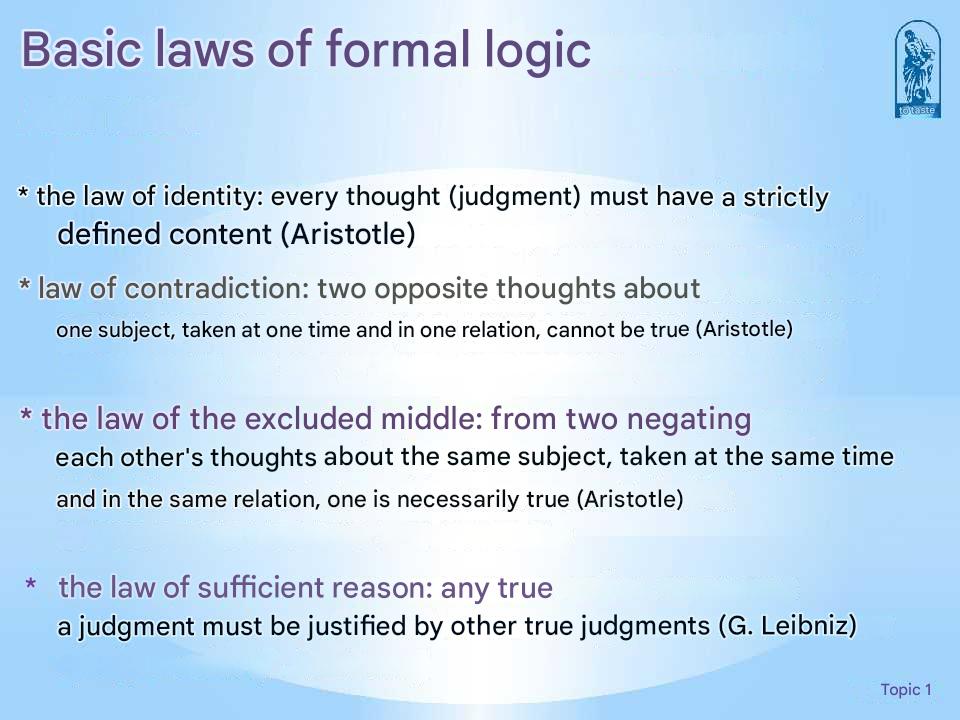
Rationality
About stereotypes regarding rational individuals and what rationality truly entails.