Free will
A scientific look at what factors influence our behavior and whether there is such a thing as a ‘conscious’ choice.
Why does free will not exist?
A scientific view of the illusion of human choice
When we make decisions, especially at critical moments in our lives, we feel that we are acting freely, guided by our own will. But what if this is just an illusion? Modern science provides more and more evidence that our actions are determined by a multitude of biological, psychological, and social factors that we cannot control. Let’s look at the main arguments against the existence of free will.
Neurobiological evidence of predetermination
Libet’s experiments: when the brain decides for us
In 1983, neuroscientist Benjamin Libet conducted an experiment that shook the concept of free will. Participants were asked to press a button whenever they wanted and note the time when they made the decision. At the same time, scientists recorded the brain’s electroencephalogram.
The result was unexpected: the brain began preparing for action 300 milliseconds before the person was aware of their decision. It turned out that the feeling of free choice is an illusion that arises after the brain has made a decision.
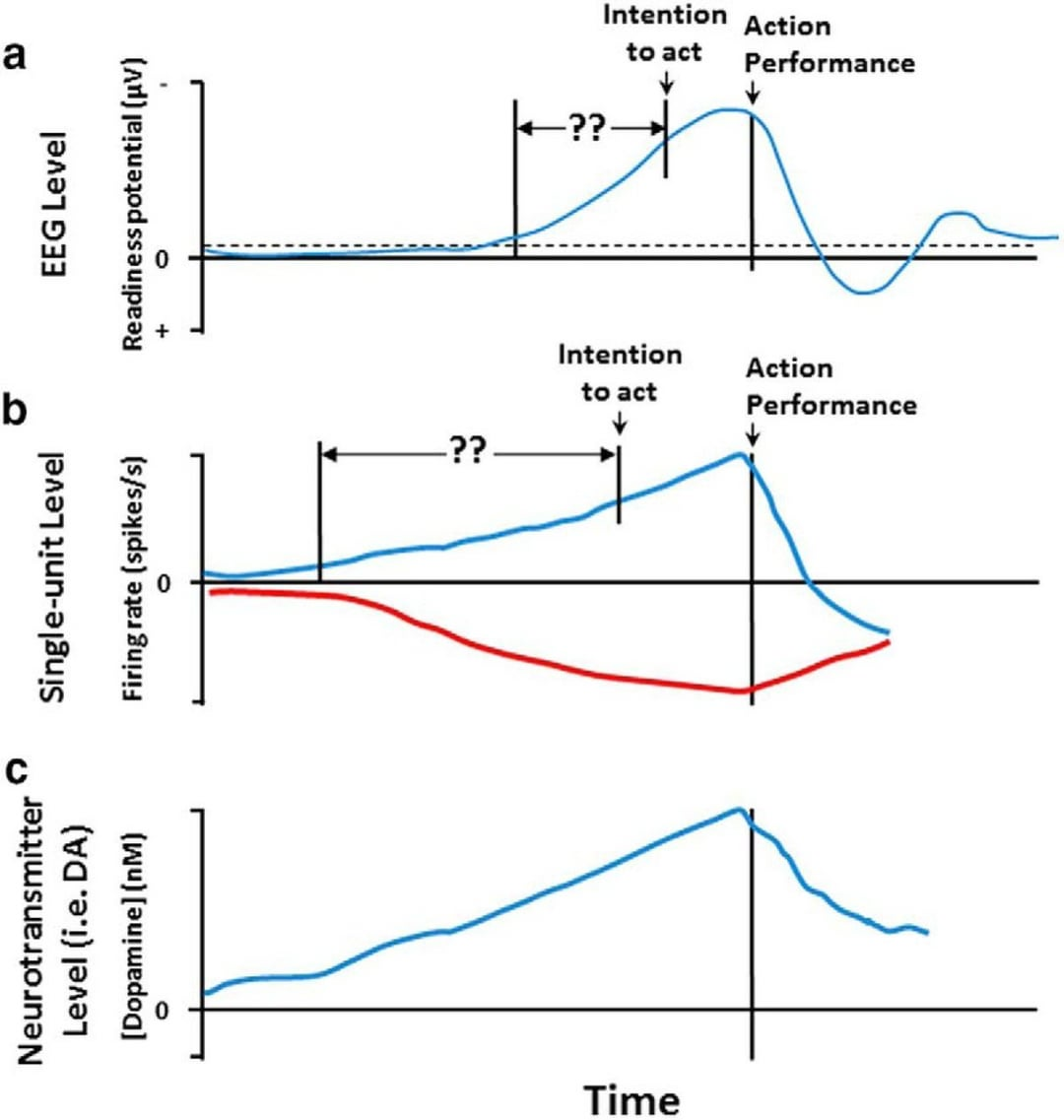
Graphs showing brain readiness potential, neuronal firing, and dopamine levels increasing before conscious intention and action, highlighting temporal dynamics from the Libet experiment
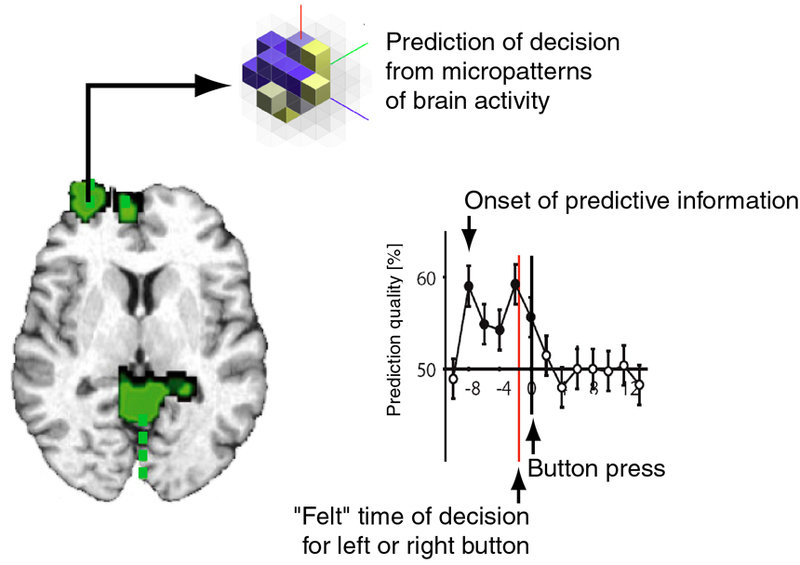
Subsequent studies only confirmed and expanded Libet’s conclusions:
- John-Dylan Haynes used fMRI to show that the prefrontal cortex makes a decision 10 seconds before a conscious choice is made.
- Itzhak Fried discovered that individual neurons are activated several seconds before a person feels that they have made a decision.
The absence of an independent “freedom neuron”
Let’s take a simple action — a person bends their finger. The brain sends a signal to the muscles, and they contract. Neurobiology allows us to trace the entire chain:
- A specific neuron in the motor cortex sends a signal
- This neuron received a command from the premotor cortex
- The premotor cortex, in turn, received a signal from the frontal cortex
- The frontal cortex was activated by the areas of the brain responsible for emotions
Key question: where is the neuron that would fire on its own — the point where the action potential arose out of nowhere, without external influences? Such a neuron does not exist. In the biology of our behavior, nothing happens “just like that” — behind every event there is a whole history of causes and effects.
The mechanistic nature of all things
Technical systems as a model for understanding
Let’s imagine simple technical systems. A machine does not turn off by itself — there is always a reason: a short circuit or a problem with the wiring. If a car veers to the right or left, a mechanic looks for a specific cause: tire pressure, problems with the mechanism. A lawn mower does not cut grass because of dull blades or low engine speed. A fan blows only because of the angle of its blades — without the angle, it simply spins idly.
The same principle applies in nature. Water evaporates because the sun heats the droplets and causes them to rise. Trees fall due to strong winds and asymmetrical branches that shift the center of gravity when the roots cannot withstand the load. The moon is held in orbit by the Earth’s gravitational field.
Biological reflexes as programs
Human behavior is subject to the same mechanistic principles. We cannot see in the dark without light, a functioning retina, and a brain. The body, expending energy, sends signals of thirst and hunger. Sensors cause us to swat a fly that is causing itching.
Bright light automatically causes the eyelids to close and the hand to shield the eyes. The knee reflex is an innate reaction. We remove our hand from the fire not “of our own free will,” but because a protective reflex is triggered. The eyes follow the light automatically, unless we tell the person not to follow it.
Even a moth flying away from a flame does not make a “conscious decision” — its heat sensors (antennae) cause it to fly away from danger. Without these antennae, moths would fly into the fire.
The hormonal dictatorship of our decisions
Testosterone: an amplifier of aggression
Contrary to popular belief, testosterone does not create new patterns of aggression, but only amplifies existing ones. This hormone acts as an amplifier, increasing the likelihood of previously established behavioral patterns being realized. It distorts perception, causing us to more often mistake neutral facial expressions for aggressive ones, making us more impulsive and less inclined to cooperate.
The level of testosterone’s influence depends on many factors: the time of day (circadian rhythms can double its concentration), illness, stress, and even recent sexual contact. The number of testosterone receptors in different areas of the brain can vary tenfold between individuals — and this is also beyond our control.
Oxytocin: the double-sided love hormone
Oxytocin is often called the “love hormone,” but it also has a dark side. Yes, it makes us more generous, trusting, and compassionate—but only toward those we consider “our own.” Towards “outsiders,” it makes us more cruel and prejudiced. In experiments, oxytocin caused Dutch people to sacrifice people with German or Middle Eastern names more often in order to save their compatriots.
Glucocorticoids: stress hormones
When we are under stress, our bodies release glucocorticoids. These hormones make us more impulsive, increase existing tendencies toward aggression or anxiety, reduce empathy, and make us more selfish. They stimulate the amygdala and suppress the frontal cortex, the area of the brain responsible for rational thinking.
The hidden influence on our “conscious” decisions
Many people see free will in complex, premeditated behavior — in carefully considered decisions made not under the influence of emotions, but reasonably and rationally. But this is a misconception.
Examples of manipulation by unconscious factors:
Religious music and tolerance: A study examined Christians’ attitudes toward Muslims. When church music was played quietly during the experiment, participants expressed less tolerance toward members of the other religion.
Smells and political beliefs: If a room smells unpleasant, like something rotten, people give more conservative answers to questions about politics — about abortion, gay marriage, and other social issues.
Scents and generosity: In economic games where people have to share something, participants become more generous if the room smells of fresh cookies or chocolate. And none of the participants later explain their behavior by the smell.
The most striking example: hungry judges
Researchers analyzed more than 5,000 court decisions made directly in court sessions. They studied what determines the decision — whether to release a prisoner early or send them back to prison.
The result is shocking: the only indicator that helped predict anything was the number of hours that had passed since the judge last ate. If your case is heard immediately after a break, your chances of release are 60%. After two hours, they drop to zero.
At the same time, if you ask the judge to justify their decision, they will quote philosophical works from their first year of law school. No one will mention blood sugar levels.
Social programming and cultural conditioning
Upbringing as programming
Ideas about beauty are completely dependent on cultural context. In one culture, people fall in love with slender women, while in another — on the South Pacific islands — women with fat bellies are considered beautiful. These are not “personal preferences” but the result of social programming.
Acquired reflexes shape our behavior just as rigidly as innate ones. After a negative experience with people who have certain physical characteristics, we automatically avoid similar people. After being poisoned by a certain plant, we instinctively avoid it in the future.
Examples of social control
Children are spanked for stealing, shaping their “decency.” Religious upbringing statistically reduces the risk of going to prison. Americans salute the American flag, Germans saluted the swastika during Nazism, and in the USSR, pioneers saluted with “Be prepared!” Modern office workers repeat corporate slogans. All of this depends on upbringing, not “free choice.”
Even our “spontaneous” reactions are learned: “Oh, you shouldn’t have!” when receiving a gift, “Happy birthday!” when meeting someone celebrating their birthday, “How are you?” at any meeting, “How beautiful!” at the sight of a wedding ring — all these are automatic, socially programmed responses.
Social control also applies to consciously forced actions:
- Artificial laughter at your boss’s lame jokes.
- Demonstrative sadness at the funerals of people you hardly know.
- Forced merriment at corporate parties.
Material preferences
Furniture is “liked” out of respect for an aunt who had similar furniture. A Mercedes car is bought to earn the respect of neighbors and acquaintances, not because of its technical characteristics. A preference for a certain cuisine is formed by eating habits from childhood. A Native American will not appreciate a brand-name watch without the appropriate propaganda — value is created by culture, not by the objective qualities of the object.
Absence of true guilt and merit
Accidents, “bad” and “good” deeds
A driver who was distracted by a fire in another car and hit a pedestrian is not to blame for the tragedy — it is a combination of internal factors of the body and distracting external factors. A person without art lessons draws poorly, and a driver in poor physical condition drives poorly — this is equally normal and not a fault. A teenager’s sexual experiments are the result of hormonal storms, not “moral decay.”
If a child steals candy and does not get caught, they may continue to steal. The distraction of a jewelry store owner may provoke the theft of a watch. At the Coca-Cola factory, one bottle out of thousands seems like an insignificant loss, so it becomes easier for factory workers to justify theft.
If a child is talented in music or drawing, they are praised. But this is not their achievement, but the result of many factors related to their cognitive activity. Parents are proud of their children’s achievements as if they were entirely their own, without taking into account many other factors, such as: the contribution of educational institution employees, thanks to whom the child was able to receive a decent education; genetic predisposition; friends who have supported him in difficult times; the average standard of living in the country, which is often not a matter of choice; and the many people of the past who left their legacy in books that helped him become an adult.
The prefrontal cortex: the only “substitute” for willpower
All “true perseverance” and “moral choice” boil down to the work of the prefrontal cortex (PFC) — a brain structure devoid of any “magic,” completely determined by biophysics and the developmental history of each specific PFC.
Determinism of PFC function
The PFC is responsible for switching and maintaining rules, inhibiting habitual behavior, and making “difficult” decisions, but it itself operates according to strictly defined neural and biochemical patterns that depend on previous events and genetics.
The work of the PFC requires enormous amounts of glucose and oxygen, so its effectiveness (and our “willpower”) fluctuates depending on our energy state — hunger, fatigue, stress — that is, factors beyond the control of the “free self.”
Cognitive exhaustion
After mental exertion, the ability to resist temptation decreases, leading to behavior determined not by “willpower” but by the physiological exhaustion of the PFC. This is not a metaphor, but a direct consequence of brain biochemistry.
Brain development: from the womb to maturity
Prenatal programming
Our behavior begins to form while we are still in the womb. The fetus is literally “marinated” in the mother’s hormones, and this affects the rest of its life. An excess of glucocorticoids from a stressed mother increases the tendency toward depression and anxiety. Elevated androgen levels are associated with future aggression, poor emotional regulation, and reduced empathy.
The mother’s low socioeconomic status, high stress levels, and glucocorticoid intake during pregnancy lead to a decrease in PFC volume and impaired executive functions in the fetus and future adult. In other words, a child’s future is determined even before birth.
Immaturity of the young brain
One of the most striking discoveries of neuroscience is that the human brain does not fully mature until the age of 25. The frontal cortex, the area responsible for impulse control, long-term planning, and moral judgment, develops last.
This means that adolescents and young adults are biologically incapable of fully controlling their behavior. Their actions are determined by a “tsunami of hormones” with weak brakes from the immature frontal cortex. In adolescents, the PFC is not yet mature, and the dopamine systems are already operating at full capacity, making them extremely impulsive.
The influence of childhood experiences
Abuse leads to a decrease in the volume and inter-subject connectivity of the PFC, epigenetic changes in receptors and synapses, and a decline in executive functions — changes that are already noticeable in the first five years of life and persist in the adult PFC.
Each additional point on the Adverse Childhood Experiences (ACE) scale correlates with amygdala hyperactivity and underdevelopment of the PFC, which increases the risk of mental disorders and deviant behavior.
Genetic lottery
Genes determine not only eye color, but also the characteristics of the brain’s neurotransmitter systems. In the human genome, about 16,000 genes are active in the brain, and almost all of them exist in several variants. This creates individual variability in 4 million DNA loci that affect brain function.
Polymorphisms of serotonin transporter genes, serotonin receptors, growth factors, and dopaminergic pathways determine the structure, interneuronal connections, and effectiveness of the PFC, predicting a tendency toward impulsive and risky behavior.
But genes do not work in a vacuum — it is pointless to ask what a particular gene does; one must ask what it does in specific conditions. The same genetic variant can lead to antisocial behavior when exposed to abuse in childhood or to normal adaptation when exposed to a favorable upbringing.
Cultural heritage of centuries
Our behavior is shaped not only by biology, but also by culture, whose roots go back to the distant past. The differences between individualistic and collectivist cultures, which emerged thousands of years ago due to different ways of farming (rice cultivation required collective labor, while cattle breeding required individualism), still influence the way the brains of their descendants work.
American individualism is linked to the history of immigration and the settlement of the West. East Asian collectivism is linked to a ten-thousand-year-old tradition of rice cultivation. The culture of honor in the American South dates back to the cattle-raising traditions of settlers from Scotland and Ireland.
Collectivist versus individualist cultures form different PFC activation profiles, and cultural practices, in turn, select and reinforce genetic variants that support the values of that culture in the population.
Evolution without purpose or design
Nature has no intentions
Giraffes did not “stretch” their necks to reach food from tall trees — those who happened to be born with longer necks had a survival advantage. The sun does not “shine for us” — it is forced to burn by a nuclear furnace. A mother cat kills kittens with abnormalities not out of cruelty, but because such behavior has been reinforced by evolution. Chicks push weaker ones out of the nest in the struggle for food — this is a survival mechanism, not “evil will.”
The futility of searching for higher meaning
Evolution works through natural selection, but that does not mean there is a plan or a goal. Species do not evolve “towards something”; rather, the variants that survive and reproduce better pass on their traits to their offspring. All the apparent “purposefulness” of nature is the result of a blind process of selecting successful mutations.
Why quantum mechanics will not save free will
Quantum mechanics is often invoked in debates about free will, in an attempt to find a basis for our behavior in quantum uncertainty. This is a fallacy for three reasons:
1. The problem of scale
Quantum mechanics operates at the subatomic level. For quantum effects to influence whether you are kind or selfish, they need to overlap by 20-30 orders of magnitude. It takes 3-4 milliseconds for a single action potential to occur in a neuron — this is 10²³ times longer than the time intervals of quantum events.
2. Randomness is not equal to freedom
Even if quantum effects reached the required level, the uncertainty principle would result not in free decisions, but in sudden, incomprehensible actions.
3. Magical thinking
Attempts to link quantum physics with free will look like magical thinking — reasoning about how consciousness affects electron orbitals, causing the brain to function differently.
Chaos theory and unpredictability
Determinism ≠ predictability
In the 1960s, Edward Lorenz discovered that a model with 12 variables seems deterministic and predictable, but the slightest rounding (0.506127 → 0.506) sooner or later leads to a completely different result. In nonlinear systems, a tiny error in the initial data grows exponentially, creating an unpredictable “divergence” of results.
Chaotic systems are completely deterministic: each subsequent step strictly follows from the previous one. But their behavior is unpredictable, which does not negate determinism.
Erroneous conclusions about free will
The unpredictability of chaos in no way proves that actions are “unconditioned” or “free.” Free will is mistakenly equated with unpredictability: “if it is impossible to know in advance, then the choice is free.”
Emergence and self-organization
With a sufficient number of identical simple elements interacting according to the same simple rule, a complex, adaptive structure emerges at the macro level that is not inherent in any of the elements.
Examples of emergence:
- Scout bees dance longer near the best food sources → more bees will follow them → the entire colony chooses the optimal source
- Ants randomly explore all routes, leaving pheromone trails → a solution close to optimal is quickly found
- Growing neurons form branching projections following chemical signals → optimal connections
In all cases, complexity and optimality arise from a combination of simple local rules and their repeated application, rather than from a single global plan or acts of “free will.”
Economic and social inequality
Systems of privilege
Doctors set the price of treatment without considering the patient’s financial capabilities. Lawyers have special prisons for representatives of the law. The best lawyers are only available to the rich. Jurors judge according to common cultural values, not objective truth.
Military propaganda shapes attitudes toward the enemy: “The German will kill you if you don’t kill him.” Social justice is not the result of moral choice, but a consequence of economic and political processes.
Historical Examples of Revisiting Guilt
Schizophrenia and the “Bad Mothers”
In the 1950s, leading psychiatrists claimed that schizophrenia was caused by “schizophrenogenic mothers.” Hundreds of thousands of mothers were told for decades that their child’s illness was their fault.
Then biochemists developed the first antipsychotic drugs that act on the brain’s dopamine receptors. It became clear: schizophrenia is a biochemical disorder, not the result of poor parenting.
Autism and the “Refrigerator Mothers”
Until the 1970s, it was believed that autism was caused by a lack of parental love. Later, it turned out that autism is linked to hormonal conditions during the prenatal period and to genetic factors.
Practical Implications
What Does This Mean for Justice?
Does the absence of free will mean that murderers should be allowed to walk the streets? Of course not.
Imagine a car with faulty brakes. We don’t drive such a car — it’s dangerous. The brakes are repaired, and if that fails, the car is put in a garage. That’s normal; society must be protected from danger. But no one claims the car is “guilty.”
It’s the same with a person who was unlucky in the biological lottery of the brain. Naturally, such a person must be isolated if they are dangerous. But they are little different from a broken machine — a very complex machine, but still a machine.
A New Approach to Responsibility
Understanding the biological roots of behavior should not abolish responsibility, but rather help create a more humane and effective system of justice and education.
If the teenage brain is biologically incapable of full impulse control, that doesn’t mean teenagers should not be held accountable for their actions. But it does mean that the punishment system should take brain development into account and focus on rehabilitation rather than retribution.
Conclusion: Freedom from Illusions
When we put all these factors together, we arrive at a radical conclusion: our decisions in critical moments are determined by hormones circulating in our blood minutes before we act; by the brain structure shaped in adolescence; by prenatal exposure to maternal hormones; by genes inherited from our parents; by cultural patterns passed down from ancestors who lived centuries ago; and by external factors shaping our reactions.
Each of these layers alone does not fully eliminate free will — they merely change the probability of a given behavior. But together, they form such a dense web of cause-and-effect chains that there is simply no room left for a truly free choice.
Letting go of the idea of free will is incredibly difficult. Even knowing the theory, we constantly relapse. But fully accepting the absence of free will brings an astonishing sense of peace. The need to consider oneself better than others disappears, and with it, so does hatred toward other people.
A future society without the concepts of guilt and merit may seem utopian, but history shows that such changes are possible. We no longer blame mothers for their children’s schizophrenia or see them as terrible people. The world hasn’t descended into chaos — on the contrary, we have been able to help patients more effectively.
Perhaps a hundred years from now, we will look back at all the actions we thought were dictated by morality and rational reasoning — actions for which we punished or praised — and think: “How little we knew, and how much harm we caused, convinced that we understood human behavior.”
The world could become a better place if we learn to hold onto the thought that we are all incredibly complex, yet still biological machines, not in control of our own “program.”
Related Topics
Theory of evolution
A comprehensive guide to the mechanisms and evidence of evolutionary theory.
What is the brain and how do you use it?
About the processes that occur in the brain during thinking and learning, how our actions influence its development, how to control it, etc.
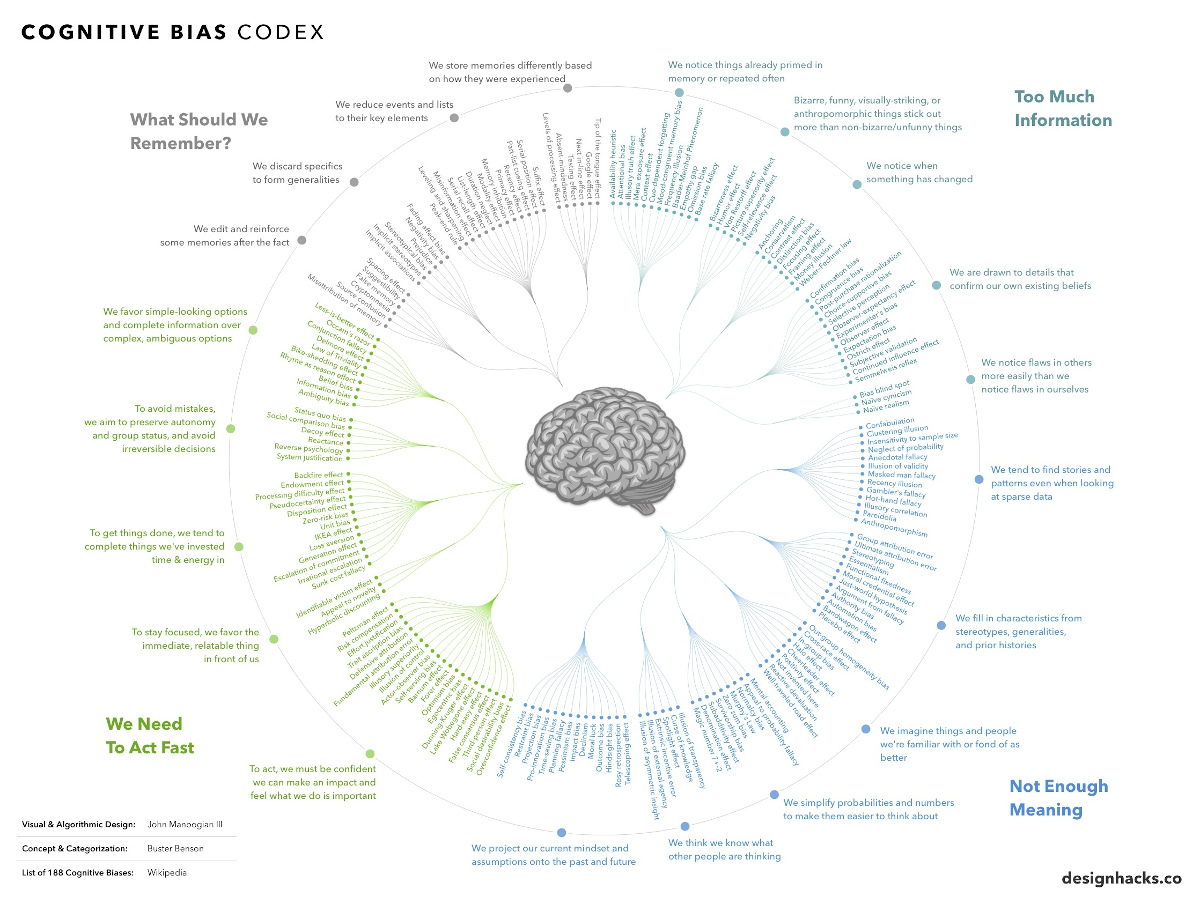
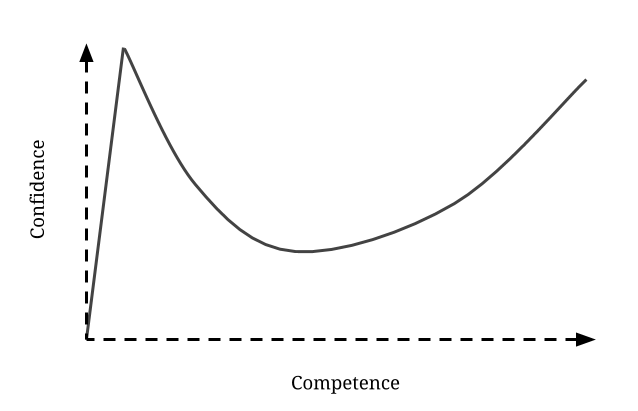
Accuracy of knowledge
Why do we often overestimate the depth of our knowledge and other aspects of our cognitive abilities?
Relativity
On the fundamental aspect of rational thinking, and not just Einstein's theory — relativity.
Rationality
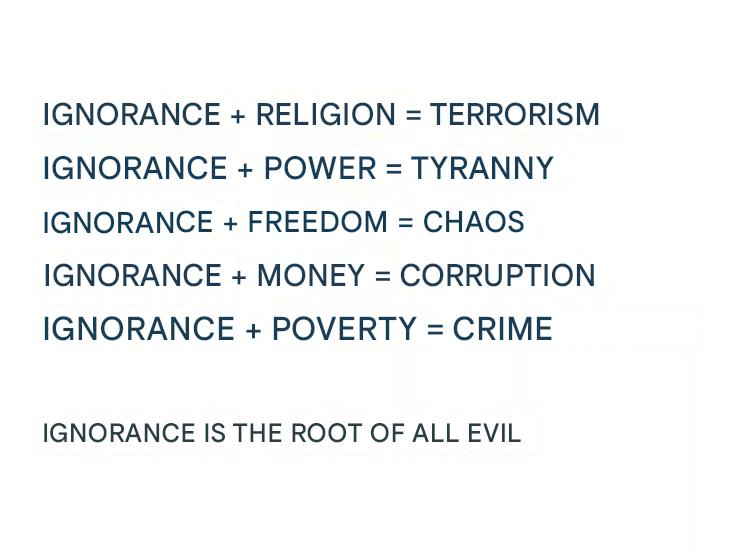
About stereotypes regarding rational individuals and what rationality truly entails.
Science, scientific method, and scientific thinking
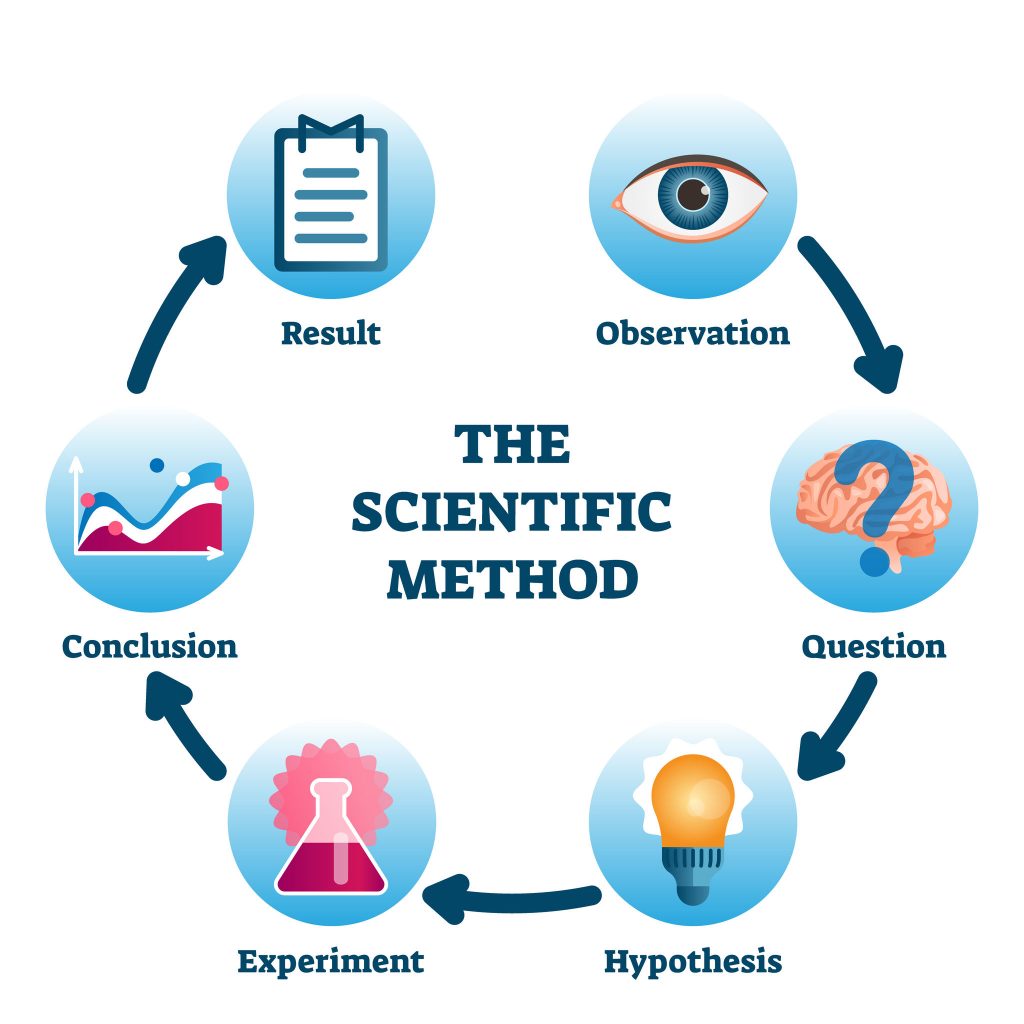
This work explores the fundamental foundations of scientific knowledge, analyzing the nature of science, the structure of the scientific method, and the principles of scientific thinking.

Problem list of Modern Society
A large and comprehensive catalog of systemic problems in modern society.